






Cancer can be difficult to spot early because dogs and cats often show only small changes at first. A new lump, gradual weight loss, lower energy, appetite changes, persistent limping, unusual bleeding, or changes in bathroom habits can all warrant a veterinary exam. These signs do not automatically mean cancer, but they should not be dismissed as “just aging” either. Understanding pet cancer starts with knowing what is normal for your specific dog or cat so you can catch these subtle shifts before they progress.
What Early Cancer Signs Are Easy to Overlook?
A lump that seems harmless: Many lumps are benign, but appearance and feel alone cannot reliably tell you what a mass is. New growths, rapidly changing lumps, or masses that change texture or size deserve a professional evaluation.
Slow weight or appetite changes: Losing weight without a diet change, eating less, chewing differently, or becoming unusually picky may signal pain or illness, including some gastrointestinal cancers.
Less energy or a change in routine: A pet who stops greeting you at the door, tires faster on walks, sleeps more, or withdraws from normal activities may simply seem older. However, persistent behavior or activity changes are worth discussing with your veterinarian.
Bathroom changes: Straining to urinate or defecate, blood in urine or stool, or a lasting change in stool habits can have many causes. Cancer is only one possibility, but these signs require prompt evaluation.
A cough, breathing change, or unexplained limp: Persistent coughing, labored breathing, recurrent lameness, swelling, or pain can point to problems involving the chest, bones, joints, or other tissues.
Sores or mouth changes that do not resolve: Non-healing wounds, oral swelling, bleeding, difficulty chewing, or trouble swallowing should never be ignored.
How Do Veterinarians Check for Cancer?
There is no single routine blood or urine test that can conclusively confirm or rule out cancer in every pet. Evaluation usually starts with a physical exam and may include bloodwork, urinalysis, imaging, or sampling suspicious tissue. Depending on what is found, cytology or a biopsy may be needed to identify the type of abnormal cells and guide next steps, which could include tumor or mass removal or exploring other pet cancer treatment options.
At Olive Branch Pet Hospital in Pensacola, our diagnostic services include blood chemistry, urinalysis, ultrasound, EKG, and endoscopy. Ultrasound can help veterinarians evaluate internal organs and growths, while routine laboratory testing provides important information about a pet’s overall health and organ function.
When Should You Schedule an Exam?
Labored breathing, heavy bleeding, or straining to urinate with little or no urine requires immediate emergency veterinary care.
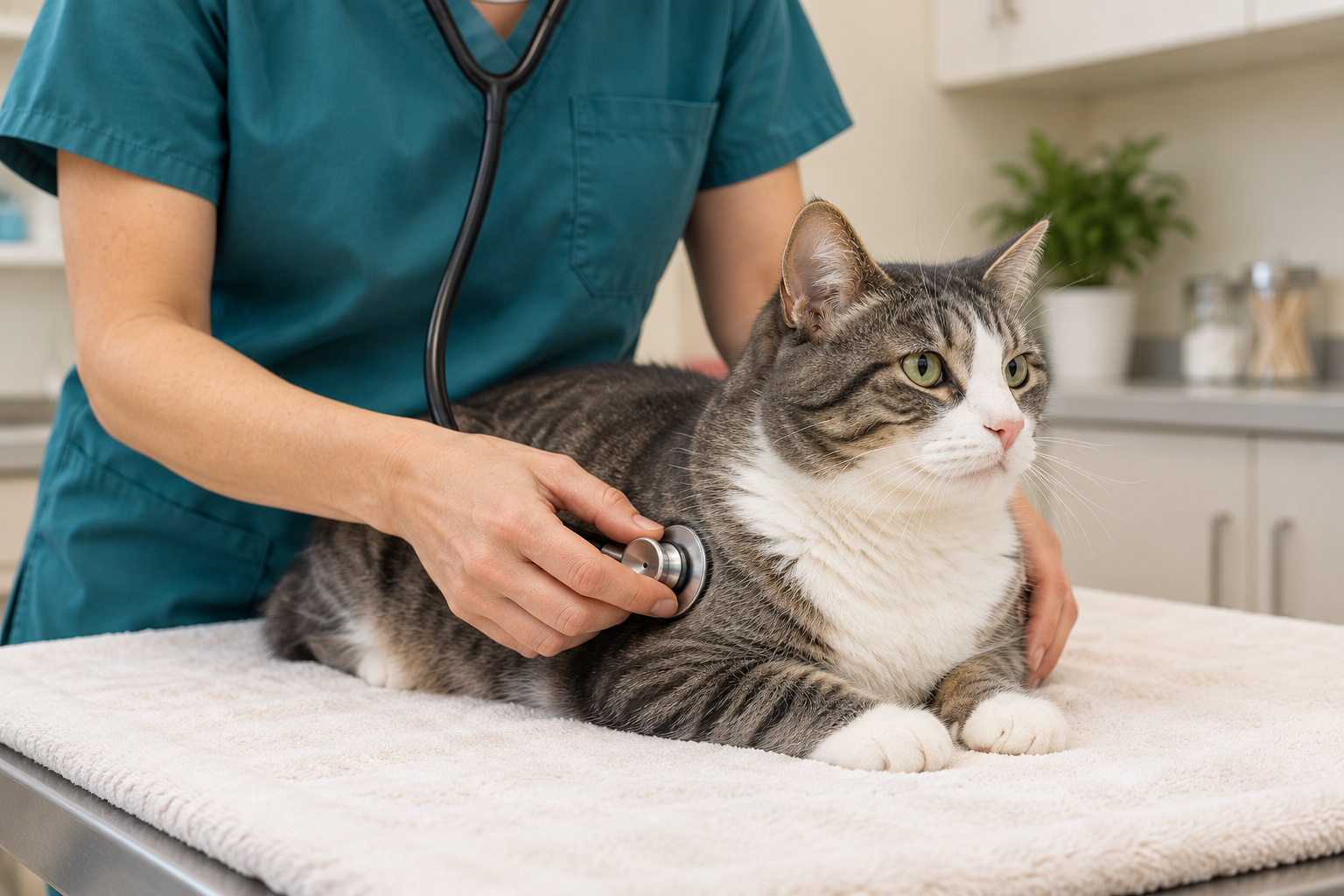
Schedule a veterinary visit when a new change persists, worsens, or simply does not fit your pet’s normal behavior. Senior pets and pets with known health concerns may benefit from more frequent visits, such as twice-yearly routine wellness exams, to establish a healthy baseline and catch abnormalities sooner.
Finding a problem early does not always mean it is cancer. It does mean you have a better chance to understand what is happening and make informed decisions sooner.
If you have noticed a new lump, unexplained weight loss, or another persistent change in your pet, schedule an exam with Olive Branch Pet Hospital in Pensacola so the cause can be evaluated promptly.