


My Dog Is Limping: When It’s More Than a Minor Injury

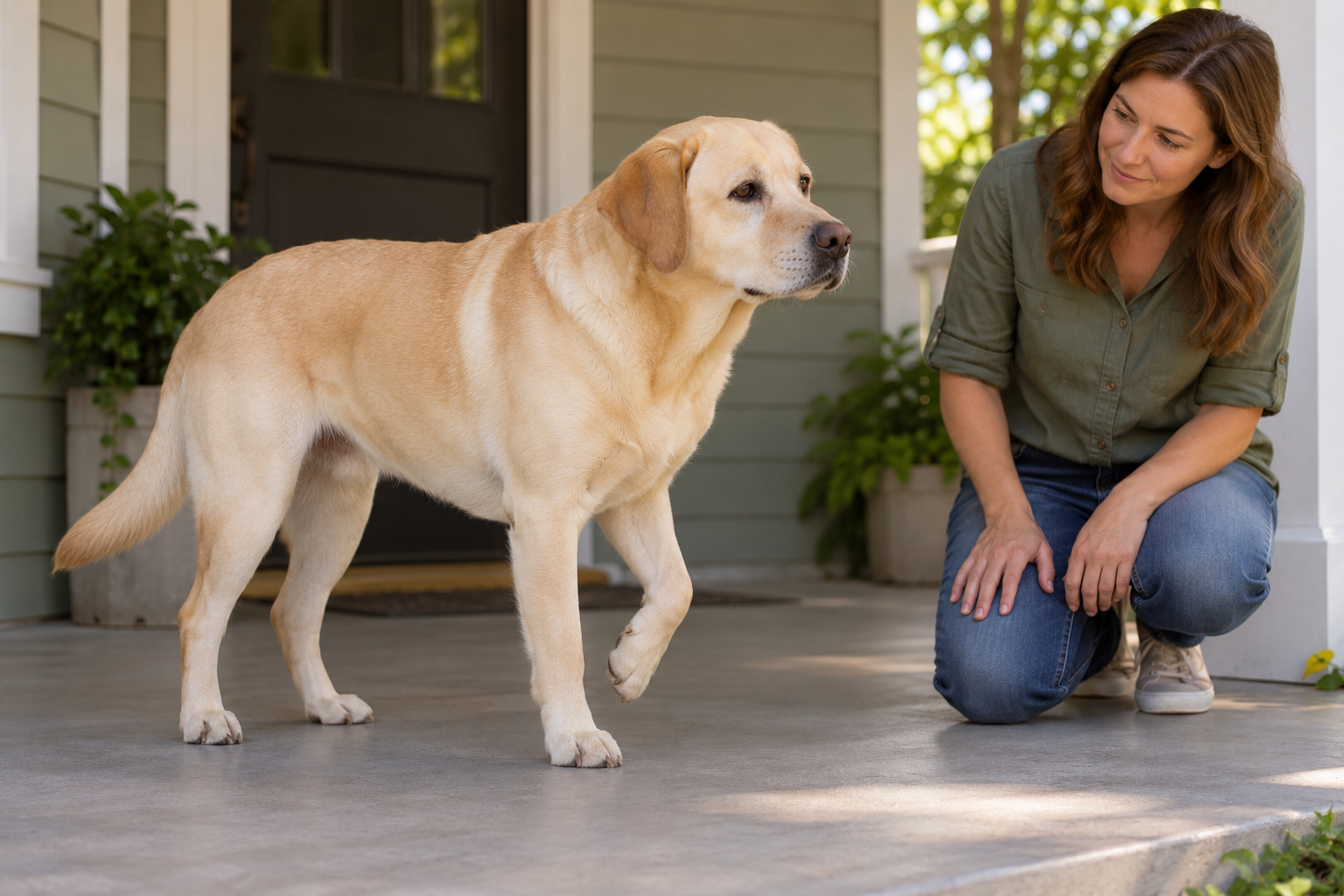
Owner observes a yellow Labrador standing on a shaded porch with one front paw slightly raised.

My Dog Is Limping: When It’s More Than a Minor Injury

A limp is a sign that something is interfering with the normal use of one or more limbs. Veterinarians call this lameness. It can originate in a paw, muscle, tendon, ligament, joint, bone, nerve, or even the spine. A mild limp that quickly resolves after activity may be minor, but limping that persists, worsens, returns, or keeps your dog from bearing weight deserves veterinary attention.

Why is my dog limping?

Some causes are easy to spot, such as a torn nail, injured paw pad, or a foreign object stuck between the toes. Others are deeper and cannot be identified at home. Sprains and muscle strains can cause sudden soreness, while orthopedic conditions—such as cranial cruciate ligament (CCL) disease, a luxating kneecap, arthritis, hip dysplasia, or a fracture—may also change the way a dog walks.

Age, breed, size, activity level, and whether the limp started suddenly or gradually can help narrow the possibilities. For example, an older pet that becomes sore after playing may have a different underlying problem than a dog suddenly limping on a back leg or front leg after a jump.

When should a limping dog see a veterinarian?

As a general rule, any mild limp that does not improve with rest warrants an examination. Dogs do not always cry or whine when they are hurting, so seemingly normal behavior does not rule out pain.

Prompt veterinary evaluation is highly recommended if your dog is not putting weight on a leg, appears significantly painful (such as trembling or panting), has noticeable swelling, or if the limp is worsening. Emergency care is especially important after major trauma, if there is an obvious fracture or deformity, or if your dog cannot stand or walk without assistance.

How does a veterinarian diagnose a limp?

A lameness evaluation usually begins with your dog’s history and observation of how they stand, walk, and move. The veterinarian will then examine the paws, limbs, joints, muscles, and spine to look for pain, swelling, reduced range of motion, or joint instability.

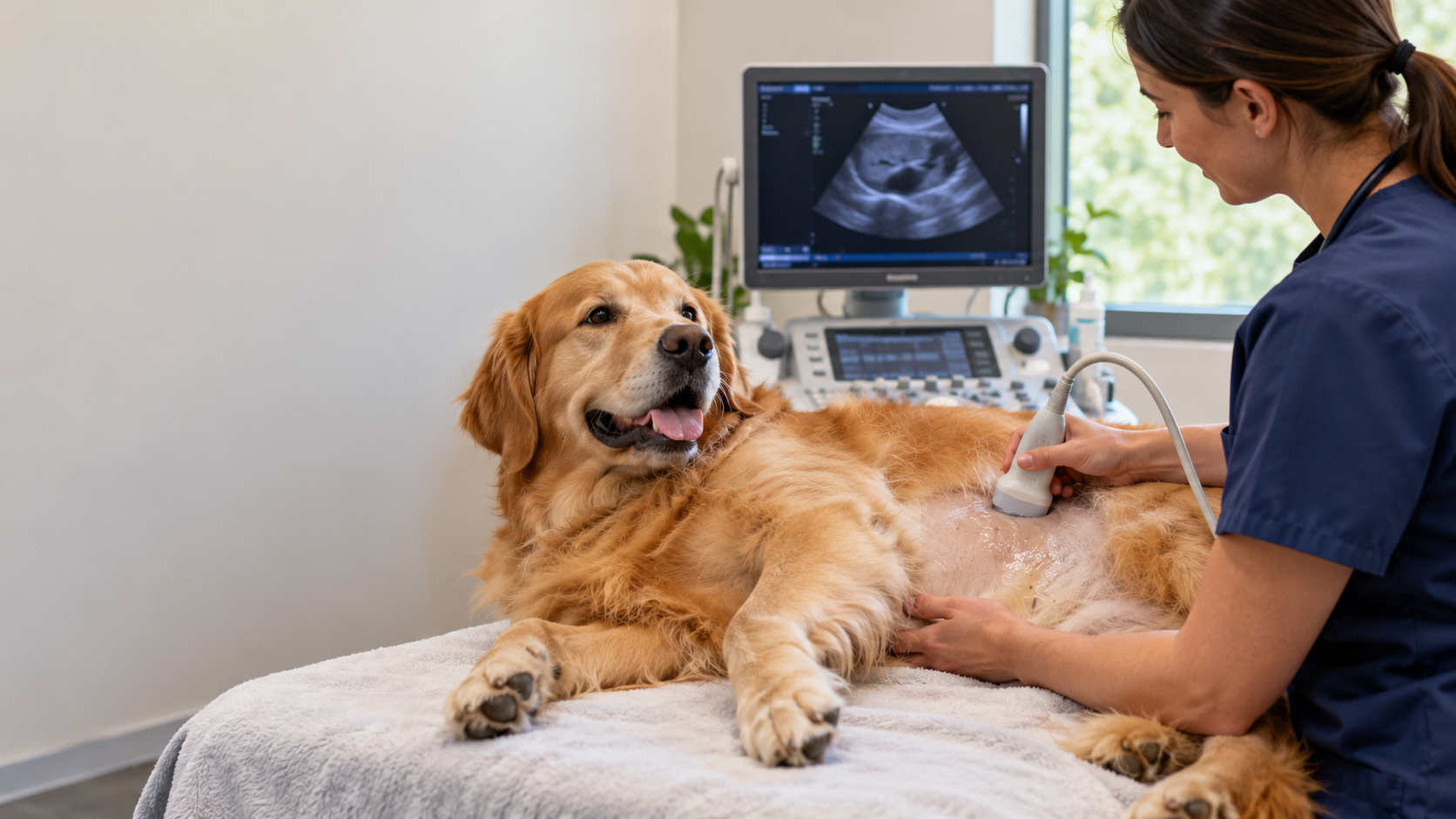
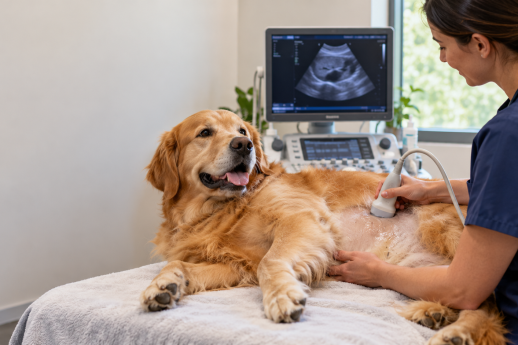
Depending on those findings, diagnostic imaging or other testing may be recommended. Olive Branch Pet Hospital in Pensacola offers in-house veterinary diagnostics for injured pets, including ultrasound.
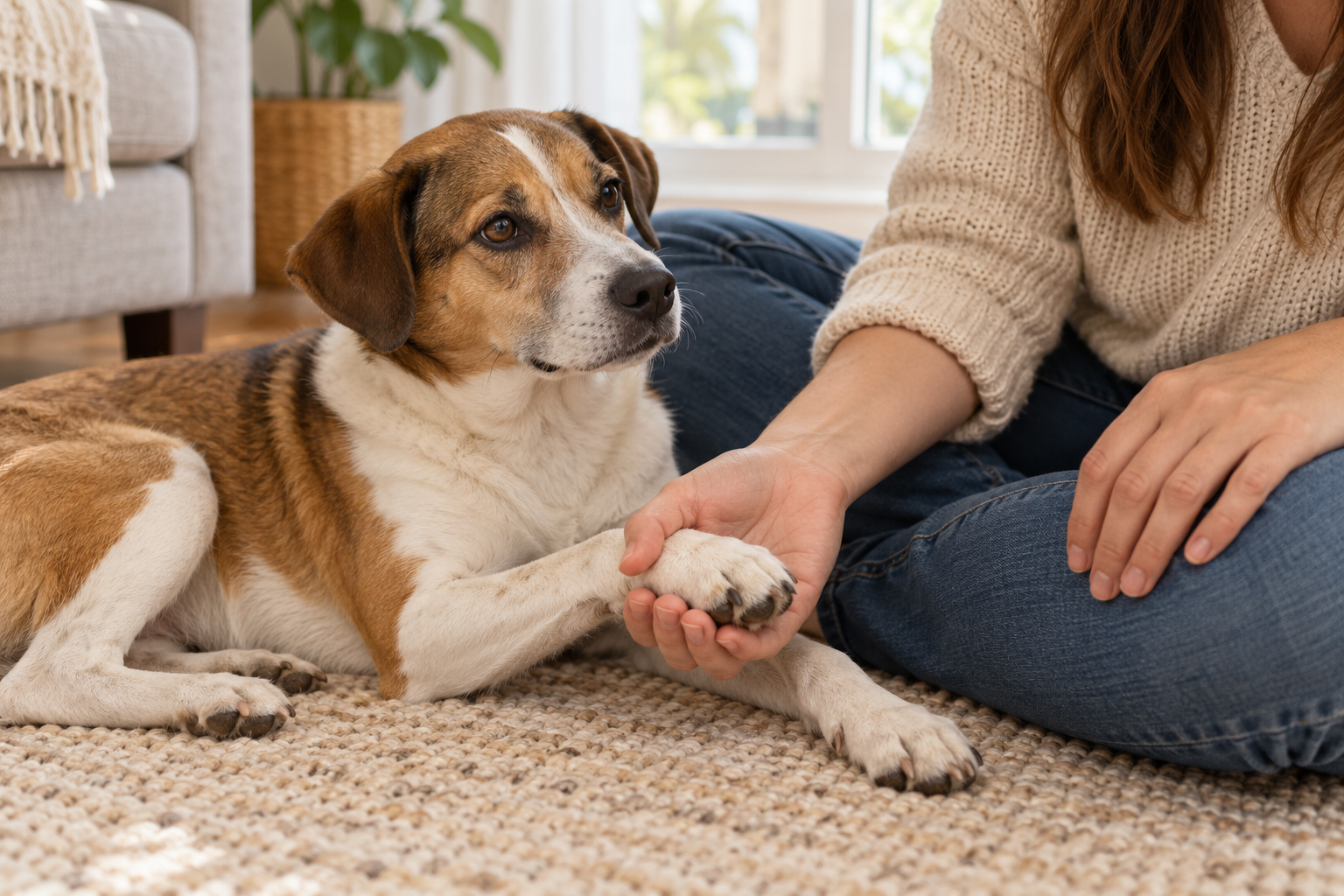
Owner gently cradles a resting brown-and-white dog's front paw.

What should I do while my dog is limping?

Until the cause is known, limit running, jumping, rough play, and strenuous activity. If your dog allows it safely, briefly check the paw pads, nails, and between the toes for an obvious superficial problem. Recording a short video of the limp can also be helpful, as some dogs may move normally at the veterinary hospital due to excitement or adrenaline.

Do not give your dog human pain relievers unless your veterinarian specifically instructs you to do so. Drugs such as ibuprofen, naproxen, aspirin, and acetaminophen can cause serious, life-threatening adverse effects in dogs.

Treatment always depends on the diagnosis. Some dogs may need strict rest and veterinarian-directed pain management, while others may benefit from laser therapy for pain and mobility, orthopedic treatment, or surgery. Olive Branch provides orthopedic surgery for pets requiring procedures such as fracture stabilization or joint repair.

If you are looking for a veterinarian for a limping dog, a proper examination can help identify the source of discomfort and determine the safest next step for recovery.

If your dog is limping, especially if the problem is persistent, painful, or worsening, schedule a veterinary examination with Olive Branch Pet Hospital in Pensacola to find out what is causing it and discuss the appropriate next step.

Blood in Pet Urine: When to See a Vet in Pensacola

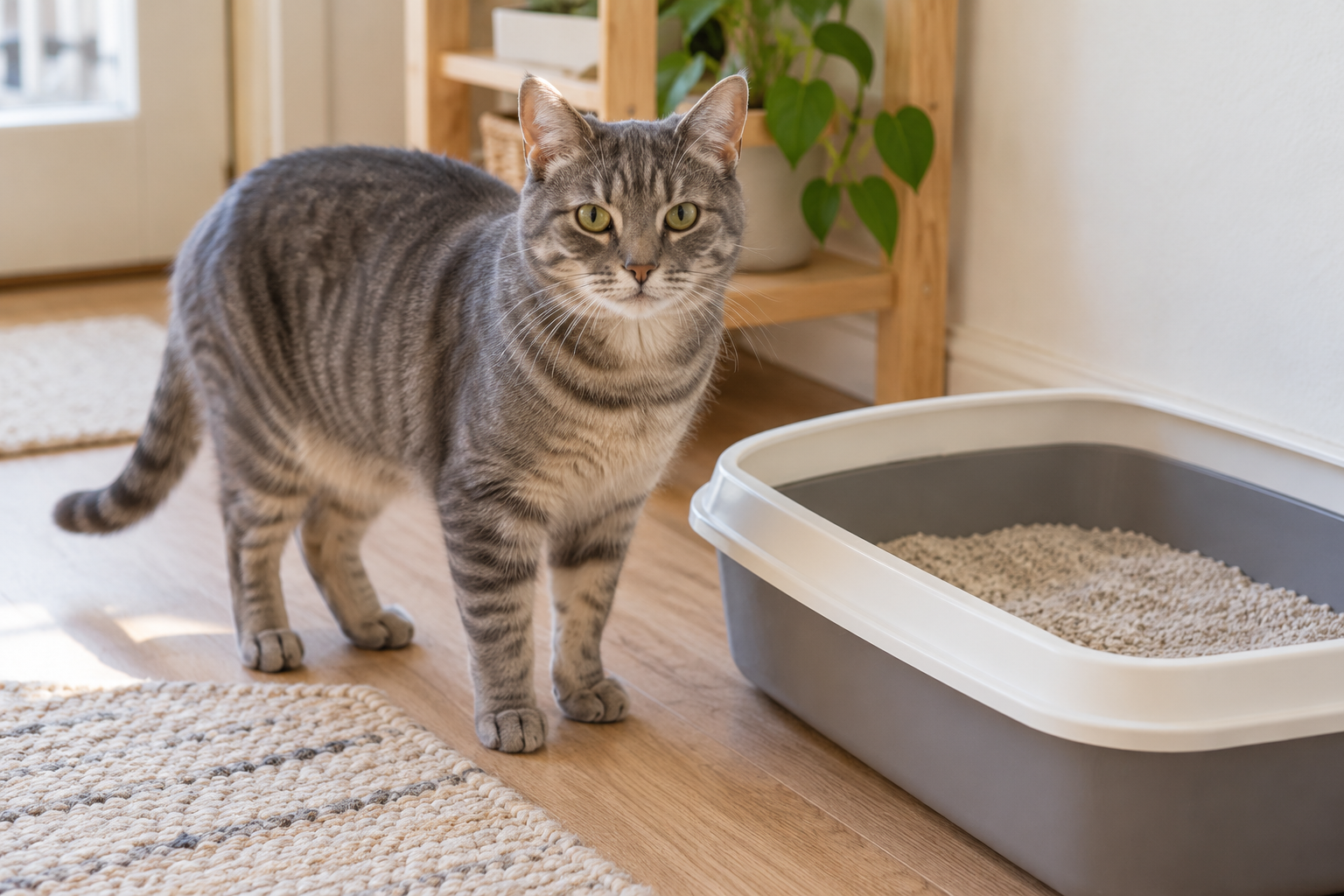
Gray tabby cat standing beside a clean litter tray at home.

Seeing blood in your pet’s urine—a medical condition known as hematuria—is never something to ignore. Whether you have a dog or a cat, hematuria can be caused by bladder inflammation, urinary tract infections (UTIs), bladder or kidney stones, trauma, and, less commonly, tumors or bleeding disorders. Because the exact cause cannot be determined by color alone, a veterinary exam is the safest and most important next step.

What Does Blood in Pet Urine Look Like?

Hematuria may make your pet’s urine look pink, red, rust-colored, or streaked with visible blood. In some cases, the urine appears completely normal to the naked eye, and microscopic blood is only detected during a diagnostic urinalysis.

You may also notice your pet exhibiting other urinary symptoms, including:

  • Urinating more often than usual
  • Squatting repeatedly or producing only small drops of urine
  • Crying or straining in the litter box or yard
  • Licking their genital area excessively
  • Having sudden accidents in the house

Because these symptoms can occur with several different—and potentially serious—urinary conditions, it is crucial not to assume your pet simply has a routine UTI.

When Is Blood in Pet Urine an Emergency?

While any blood in the urine warrants a prompt veterinary visit, some urinary symptoms require immediate emergency care.

Seek urgent veterinary attention if your pet:

  • Is repeatedly straining to urinate but producing little or no urine
  • Appears increasingly painful, vocal, or distressed
  • Develops vomiting, loss of appetite, or profound lethargy

A urethral obstruction (blockage) prevents urine from leaving the bladder and can become life-threatening quickly. Male cats are at a particularly high risk for urinary blockages because their urethra is exceptionally narrow and easily plugged by urinary crystals or mucus.

If your pet is still passing a normal volume of urine and otherwise acts comfortable, it may not be a critical emergency, but they should still be evaluated by a veterinarian as soon as possible.

How Do Veterinarians Diagnose Urinary Problems?

A urinalysis examines the physical and chemical properties of urine, as well as the urine sediment. It helps identify red and white blood cells, crystals, bacteria, and changes in urine concentration, which helps narrow down the possible causes of your pet's symptoms.

At Olive Branch Pet Hospital in Pensacola, we offer complete diagnostic services, including in-house urinalysis. Depending on your pet’s physical exam, our veterinarians may also recommend blood chemistry or ultrasound to further evaluate the kidneys, bladder, and overall urinary tract health.

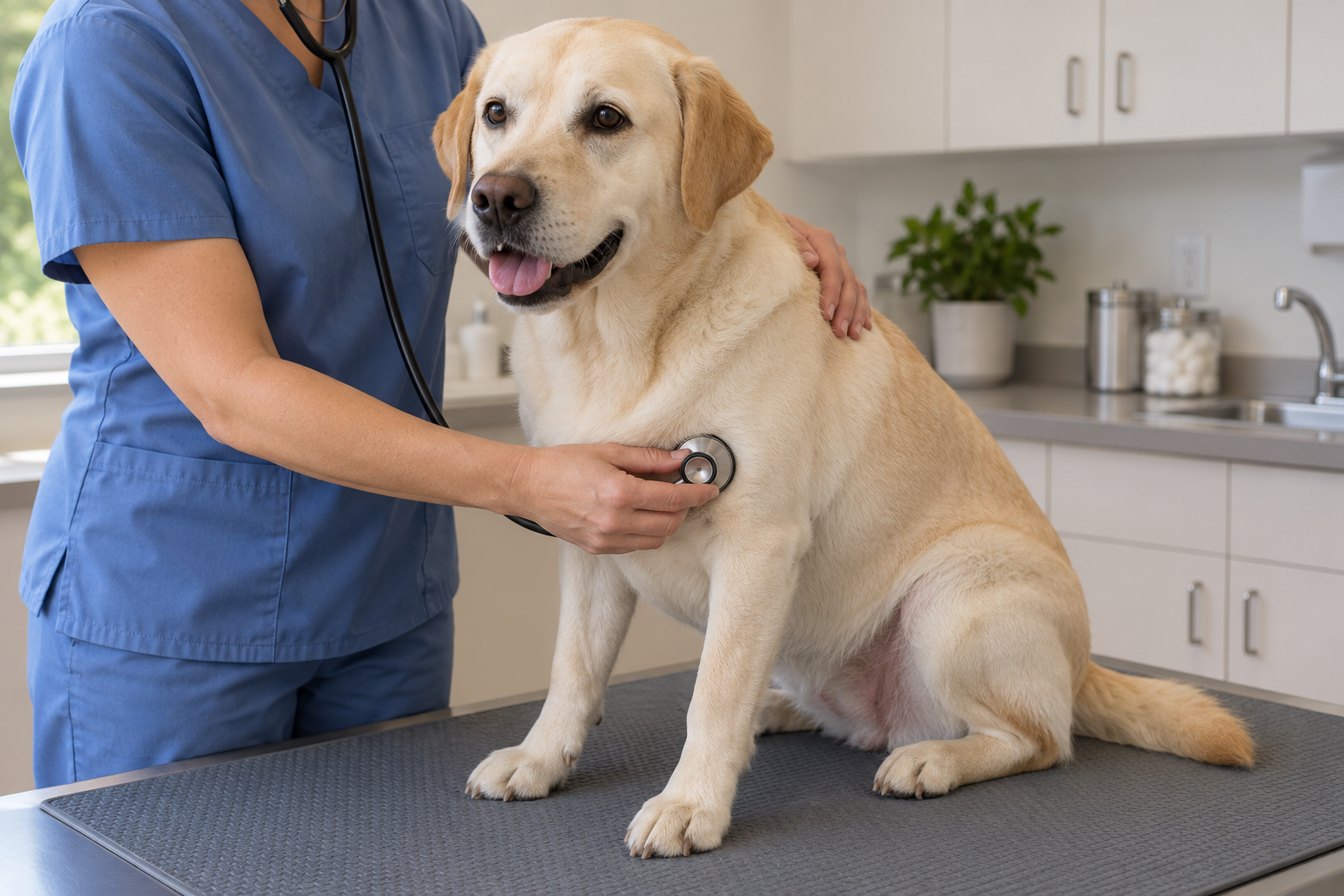
Veterinarian using a stethoscope to examine a cream-colored dog on a non-slip mat.

Why Is Prompt Veterinary Evaluation Important?

Urinary problems can look very similar from the outside, yet their causes and treatments are entirely different. An untreated infection can spread to the kidneys, while tiny bladder stones can grow or shift and cause a sudden blockage. Early evaluation can help identify the underlying issue and guide treatment before your pet’s discomfort worsens or complications develop.

Notice blood or other changes in your dog or cat’s urine? Contact Olive Branch Pet Hospital in Pensacola to schedule a veterinary exam and appropriate diagnostics.

For the emergency signs above, seek immediate veterinary care instead of waiting for an appointment.

Early Cancer Signs in Pets Most Owners Miss: When to See a Vet

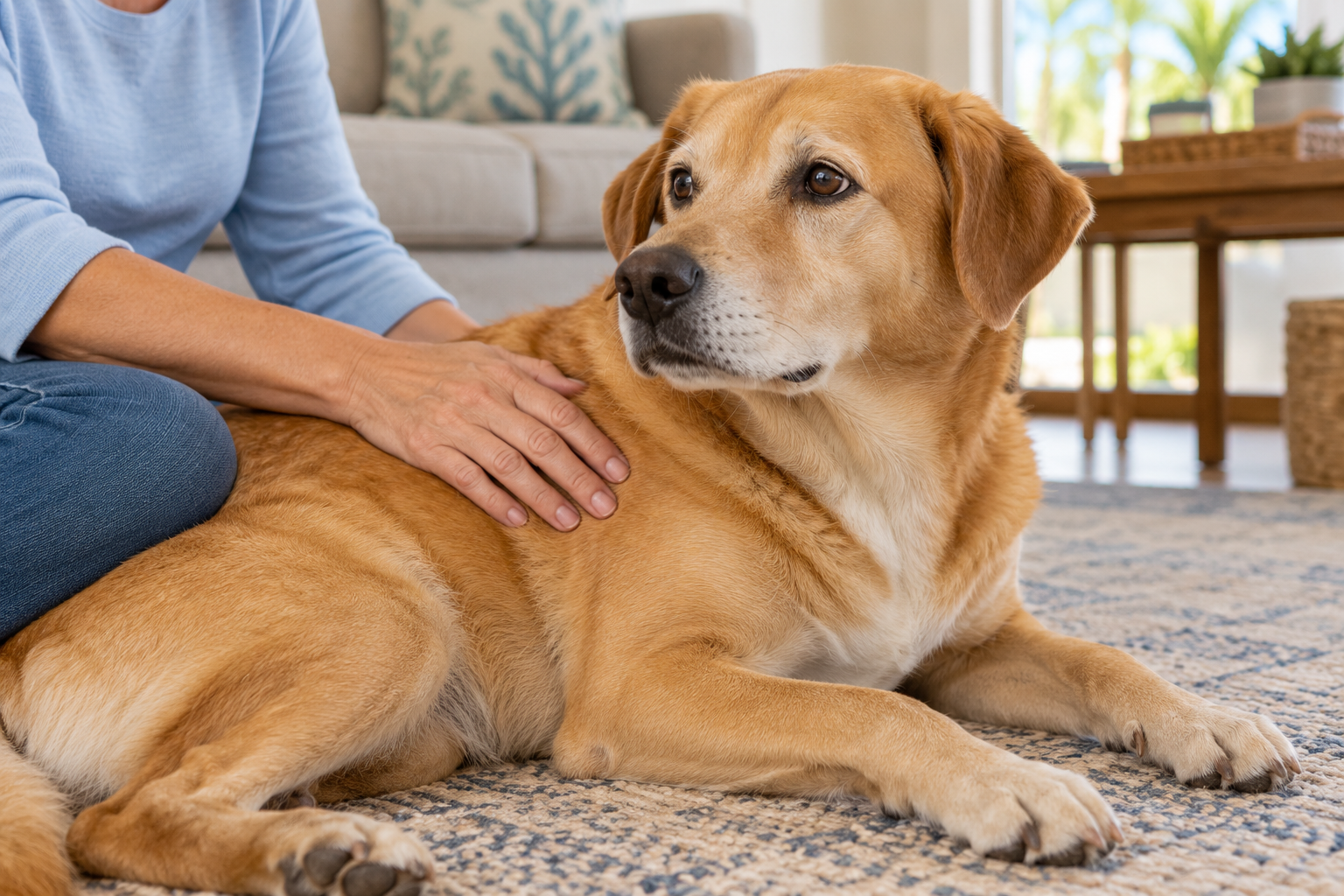
Owner gently runs a hand over a golden dog's shoulder while the dog rests on a rug.

Cancer can be difficult to spot early because dogs and cats often show only small changes at first. A new lump, gradual weight loss, lower energy, appetite changes, persistent limping, unusual bleeding, or changes in bathroom habits can all warrant a veterinary exam. These signs do not automatically mean cancer, but they should not be dismissed as “just aging” either. Understanding pet cancer starts with knowing what is normal for your specific dog or cat so you can catch these subtle shifts before they progress.

What Early Cancer Signs Are Easy to Overlook?

  • A lump that seems harmless: Many lumps are benign, but appearance and feel alone cannot reliably tell you what a mass is. New growths, rapidly changing lumps, or masses that change texture or size deserve a professional evaluation.

  • Slow weight or appetite changes: Losing weight without a diet change, eating less, chewing differently, or becoming unusually picky may signal pain or illness, including some gastrointestinal cancers.

  • Less energy or a change in routine: A pet who stops greeting you at the door, tires faster on walks, sleeps more, or withdraws from normal activities may simply seem older. However, persistent behavior or activity changes are worth discussing with your veterinarian.

  • Bathroom changes: Straining to urinate or defecate, blood in urine or stool, or a lasting change in stool habits can have many causes. Cancer is only one possibility, but these signs require prompt evaluation.

  • A cough, breathing change, or unexplained limp: Persistent coughing, labored breathing, recurrent lameness, swelling, or pain can point to problems involving the chest, bones, joints, or other tissues.

  • Sores or mouth changes that do not resolve: Non-healing wounds, oral swelling, bleeding, difficulty chewing, or trouble swallowing should never be ignored.

How Do Veterinarians Check for Cancer?

There is no single routine blood or urine test that can conclusively confirm or rule out cancer in every pet. Evaluation usually starts with a physical exam and may include bloodwork, urinalysis, imaging, or sampling suspicious tissue. Depending on what is found, cytology or a biopsy may be needed to identify the type of abnormal cells and guide next steps, which could include tumor or mass removal or exploring other pet cancer treatment options.

At Olive Branch Pet Hospital in Pensacola, our diagnostic services include blood chemistry, urinalysis, ultrasound, EKG, and endoscopy. Ultrasound can help veterinarians evaluate internal organs and growths, while routine laboratory testing provides important information about a pet’s overall health and organ function.

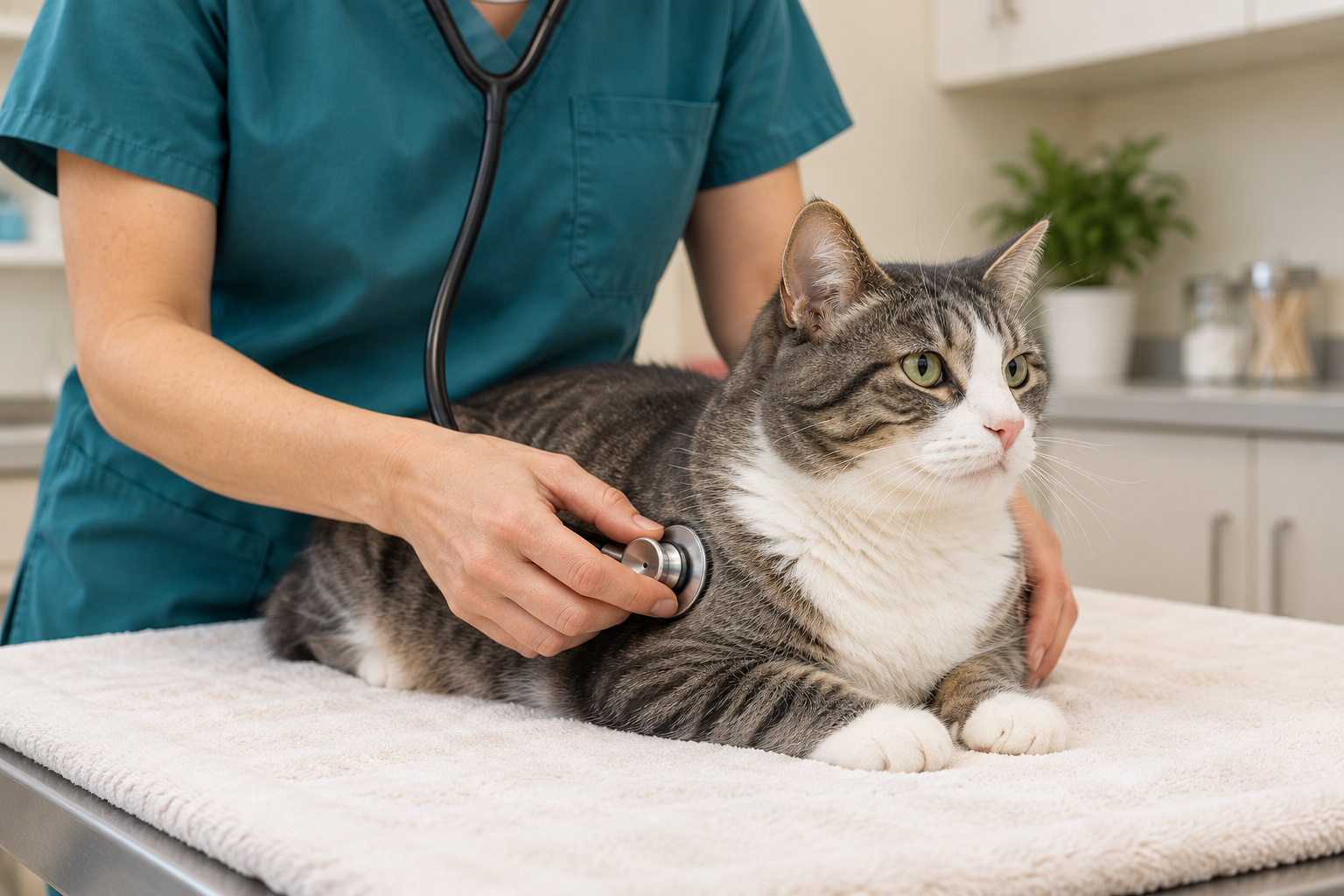
Veterinary clinician listens to a gray-and-white tabby cat's chest with a stethoscope.

When Should You Schedule an Exam?

Labored breathing, heavy bleeding, or straining to urinate with little or no urine requires immediate emergency veterinary care.

Schedule a veterinary visit when a new change persists, worsens, or simply does not fit your pet’s normal behavior. Senior pets and pets with known health concerns may benefit from more frequent visits, such as twice-yearly routine wellness exams, to establish a healthy baseline and catch abnormalities sooner.

Finding a problem early does not always mean it is cancer. It does mean you have a better chance to understand what is happening and make informed decisions sooner.

If you have noticed a new lump, unexplained weight loss, or another persistent change in your pet, schedule an exam with Olive Branch Pet Hospital in Pensacola so the cause can be evaluated promptly.

When Is a Dog Cough Not Kennel Cough? When to See a Vet

Pet owner holding a phone toward a beagle standing beside a sofa at home.

When Is a Dog Cough Not Kennel Cough? When to See a Vet

If you are wondering when a dog cough is not kennel cough, the answer often lies in their other symptoms, medical history, and how the cough sounds. While a dry, honking cough after being around other dogs often points to kennel cough—also known as canine infectious respiratory disease complex (CIRDC)—a cough can also indicate pneumonia, tracheal collapse, heartworm disease, or heart conditions. Because the sound alone cannot confirm the cause, a veterinary evaluation is essential.

What Are the Symptoms of Kennel Cough?

Classic kennel cough typically starts suddenly after recent exposure to other dogs at a park, grooming salon, or during boarding and daycare. The cough is usually dry, harsh, or “honking” and may end with gagging or retching.

CIRDC is not a single infection; it can involve various viruses and bacteria. Despite the dramatic cough, many dogs with uncomplicated kennel cough remain bright, active, and interested in food. However, puppies, senior dogs, and dogs with underlying health conditions are more vulnerable to complications like pneumonia.

When Is a Dog Cough Not Kennel Cough?

A persistent or moist cough, or coughing with other signs of illness, may signal complications of kennel cough or another condition. A dog’s cough can originate in the throat, windpipe, or lungs, or be associated with cardiovascular disease. Chronic bronchitis and tracheal collapse can cause repeated, long-term coughing, while pneumonia usually brings a cough alongside a fever, poor appetite, or breathing changes.

In Pensacola, heartworm disease must also be considered. Transmitted by mosquitoes, heartworms damage the lungs and cardiovascular system. A mild, persistent cough may be a sign, although early infection often causes no symptoms. Olive Branch Pet Hospital strongly recommends year-round prevention for Florida pets to avoid this dangerous disease.

When to See a Vet for a Dog’s Cough

Call your veterinarian promptly if your dog’s cough is persistent, worsening, or accompanied by exercise intolerance, thick nasal discharge, a moist cough, lethargy, fever, or reduced appetite. Seek immediate emergency veterinary care for:

  • Labored breathing, or rapid or open-mouth breathing at rest that is not normal panting
  • Blue or gray gums
  • Severe weakness, fainting, or collapse
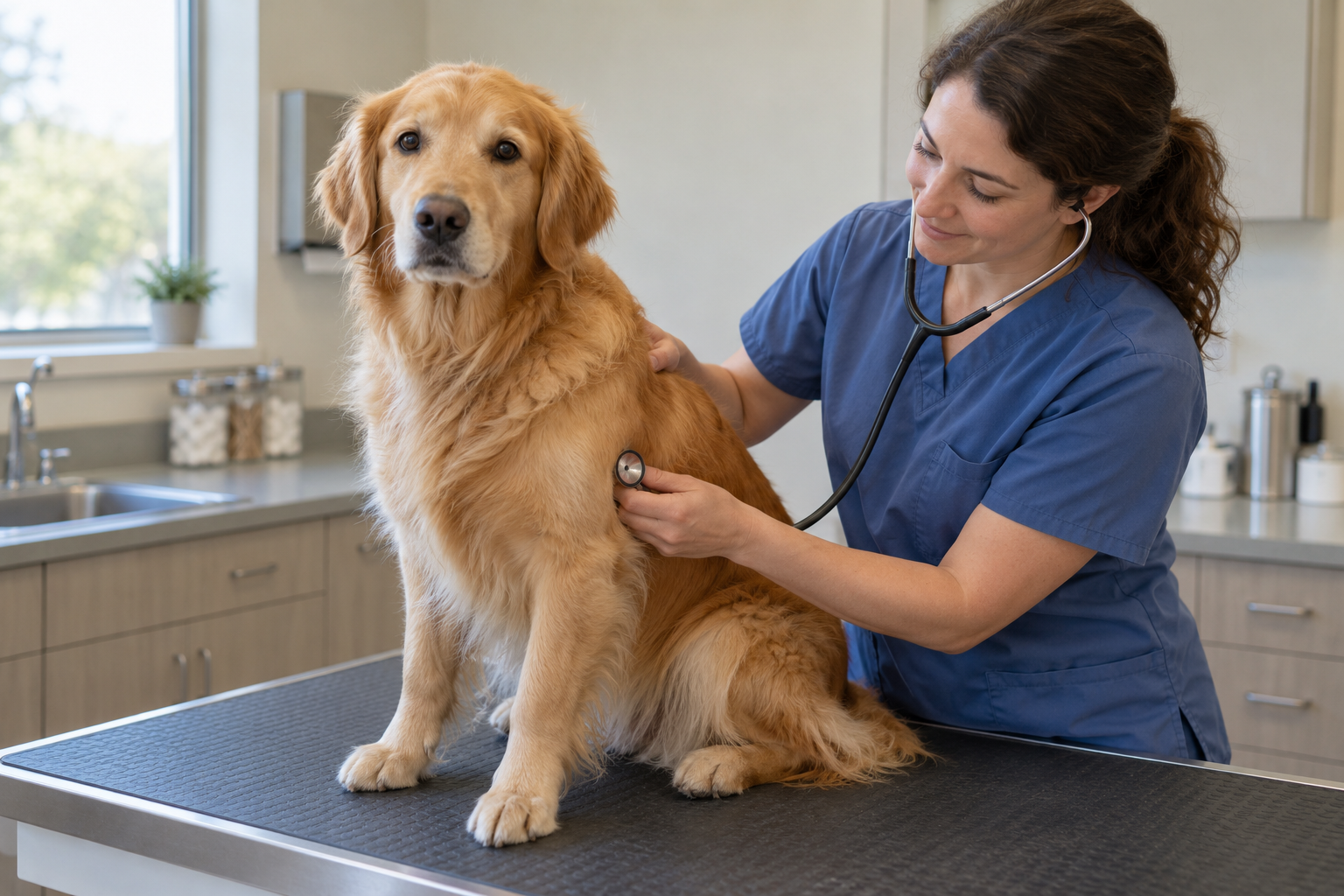
Veterinarian listening to a golden retriever’s chest with a stethoscope during an exam.

How Do Veterinarians Diagnose a Dog's Cough?

The first step is a comprehensive physical exam and a careful review of your pet’s history. Your vet will ask when the cough started, what it sounds like, recent dog-to-dog exposure, your pet’s vaccination status, and their heartworm prevention record.

Depending on the exam findings, further testing may be necessary. Blood chemistry panels help assess overall health, while chest X-rays evaluate the lungs and airways. Olive Branch Pet Hospital offers comprehensive in-house diagnostics, including blood chemistry, EKG to assess the heart’s electrical activity, and ultrasound to evaluate internal organs. Testing is selected according to your pet’s symptoms and examination findings.

A cough is a symptom, not a diagnosis. If your dog has a persistent, worsening, or unusual cough, schedule a veterinary exam with Olive Branch Pet Hospital in Pensacola to help identify the cause and determine the right next step.

“Slowing Down” or Arthritis? Signs You Might Be Missing

Gray tabby cat standing on a rug and looking toward a cushioned window bench.

“Slowing Down” or Arthritis? Signs You Might Be Missing

When an older dog takes longer to stand up or a cat stops jumping to a favorite perch, it is easy to assume they are simply “slowing down.” While aging naturally changes activity levels, persistent stiffness or hesitation is often a sign of osteoarthritis—a chronic joint disease causing pain, inflammation, and reduced mobility.

Osteoarthritis affects both dogs and cats, and it is not limited to very old pets. Recognizing the signs of arthritis in senior pets early gives your veterinarian a better opportunity to identify the cause and develop a plan that protects their comfort and mobility.

What Are the Signs of Arthritis in Senior Pets?

Arthritis does not always look like an obvious limp. Pets often adjust gradually to joint pain, making these subtle changes easy to miss. Watch for:

  • Stiffness after sleeping or resting
  • Difficulty getting up, using stairs, or jumping
  • Shorter walks or less interest in play
  • Slower movement or a change in gait
  • Hesitation to walk on slick floors
  • Irritability when touched, petted, or picked up
  • Reluctance to jump, decreased grooming, or avoiding the litter box (especially common in cats)

A short video showing how your pet walks, rises, climbs stairs, or jumps at home can give your veterinarian useful information that may not be obvious during an office visit.

How Does a Veterinarian Check for Arthritis?

A veterinary exam is the starting point for senior pet joint pain. Your veterinarian will observe your pet’s gait and posture, examine the joints and muscles, assess range of motion, and look for pain, swelling, instability, or muscle loss. X-rays or other diagnostic testing may also be recommended to confirm osteoarthritis in pets depending on the findings and your pet’s overall health.

At Olive Branch Pet Hospital in Pensacola, our wellness examinations and diagnostic services can help evaluate aging pets and uncover the true cause behind changes in activity or mobility.

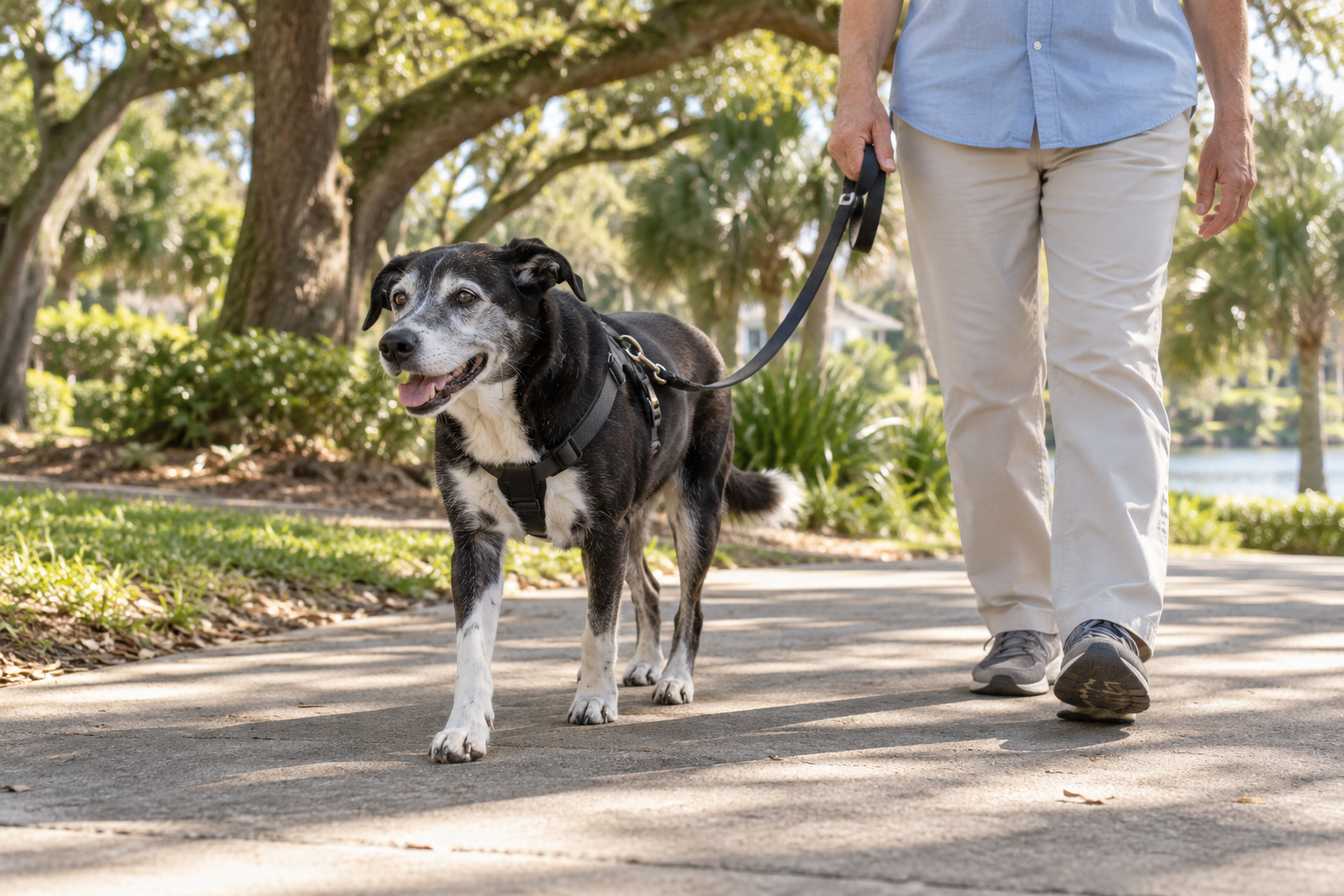
Senior black-and-white dog walking on a loose leash beside an owner on a shaded park path.

Can Arthritis Be Managed Long Term?

Osteoarthritis is progressive, but many pets remain active and comfortable with an individualized management plan. Depending on the pet, a care plan may include weight management, appropriate low-impact exercise, home modifications, veterinary pain medication, and nutritional support. If long-term prescription pain control is considered, bloodwork is typically recommended for ongoing safety monitoring.

Maintaining a healthy body weight is critical because excess weight increases stress on painful joints. To support aging pet mobility problems, Olive Branch offers comprehensive nutrition and weight management services. We also provide laser therapy, a non-invasive treatment that may be considered as part of a veterinarian-directed care plan to reduce pain and inflammation.

If your pet is moving differently, do not automatically assume it is just old age. An exam can help determine whether arthritis, another orthopedic problem, or a different medical issue is behind the change.

If your dog or cat is becoming stiffer, slower, or less willing to do the things they once enjoyed, schedule an exam with Olive Branch Pet Hospital in Pensacola to find out what may be causing the change.

Does My Pet Need an Ultrasound? A Vet Explains When It Helps

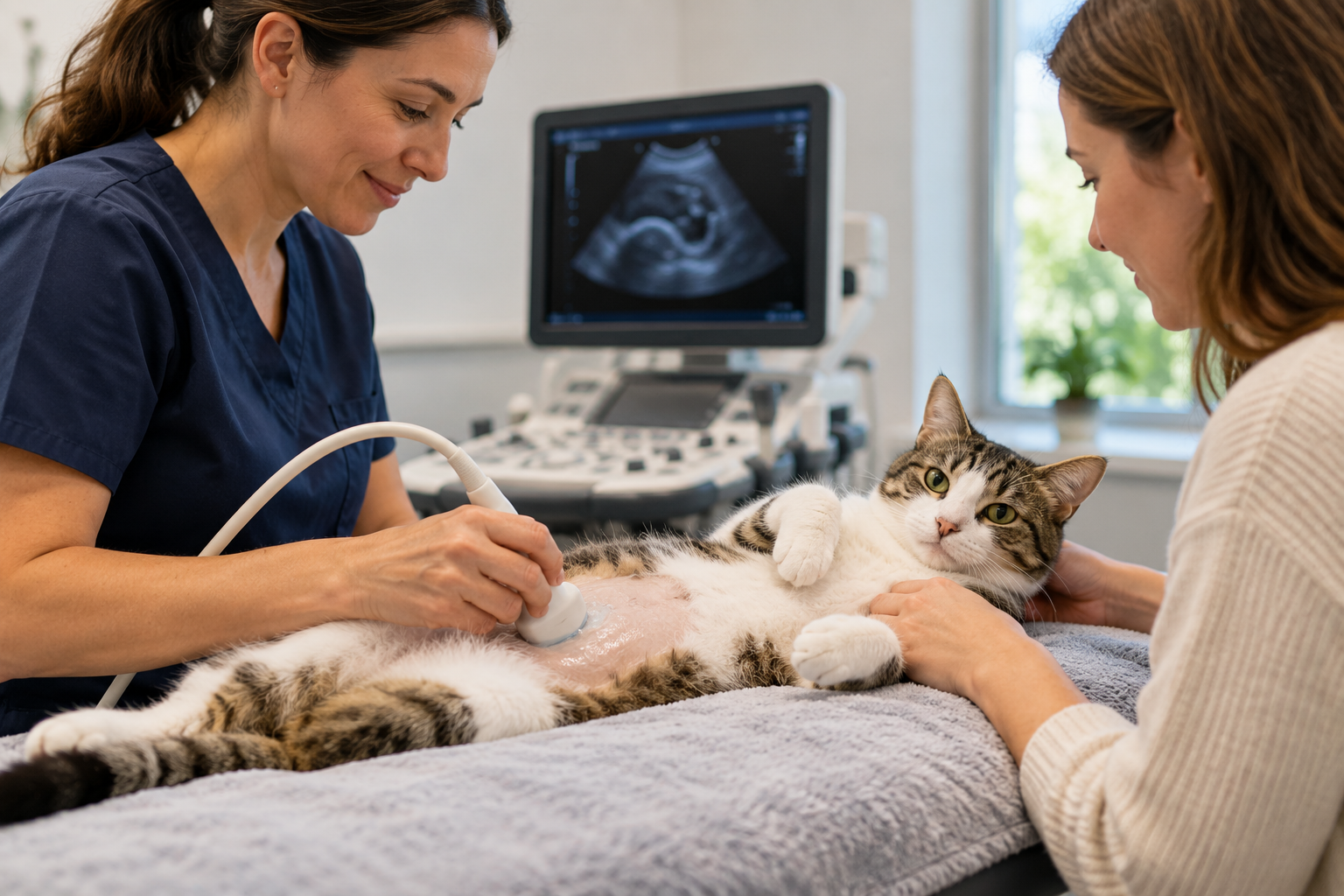
Cat receiving an abdominal ultrasound while a veterinarian scans its abdomen and an owner gently comforts it.

Does My Pet Need an Ultrasound? A Vet Explains When It Helps

When your veterinarian recommends advanced imaging, it is completely natural to wonder, does my pet need an ultrasound? The short answer is no: not every dog or cat does. However, when a physical exam, bloodwork, urinalysis, or ongoing symptoms leave important medical questions unanswered, an ultrasound can provide important information that other tests may not provide.

As a safe, non-invasive form of veterinary diagnostic imaging, ultrasound uses high-frequency sound waves to create real-time pictures of the structures inside your pet’s body. While traditional X-rays are excellent for evaluating bones and viewing broad patterns in the chest or abdomen, ultrasound is specifically designed to examine the internal architecture of soft tissues and organs.

What Can an Abdominal Ultrasound for Pets Show?

An abdominal ultrasound for pets allows a veterinarian to thoroughly evaluate internal organs, including the liver, gallbladder, spleen, kidneys, bladder, pancreas, stomach, and intestines. A dog ultrasound or cat ultrasound can reveal:

  • Changes in organ size, texture, or shape
  • Abnormal fluid in the abdomen
  • Internal masses, cysts, or tumors
  • Intestinal abnormalities
  • Certain ingested foreign objects

Because ultrasound produces moving images, it can provide real-time information about organ motion. Doppler ultrasound can also assess blood flow. These findings are always interpreted alongside your pet’s history, exam, and other lab results, rather than serving as a stand-alone answer.

When Does a Veterinarian Recommend an Ultrasound?

An ultrasound is generally recommended when a pet has persistent, unexplained symptoms or abnormalities. Common reasons include:

  • Chronic vomiting or diarrhea
  • Significant appetite changes or unexplained weight loss
  • Signs of abdominal discomfort or pain
  • Ongoing urinary problems
  • Abnormalities found on routine lab work

For example, routine laboratory testing might reveal abnormal liver or kidney values. An ultrasound can look directly at those specific organs to see if there is a structural change, such as inflammation or a mass, that explains the abnormal lab result. This distinction is important: bloodwork tells us how the body is functioning, while an ultrasound shows us what the internal structures actually look like.

Does an Ultrasound Always Give a Diagnosis?

Not always. While ultrasound is a highly powerful diagnostic tool, it does have physical limitations. Sound waves cannot easily pass through air, such as gas in the stomach, or dense bone, which can sometimes obscure the view. Additionally, some diseases occur on a microscopic cellular level and do not create visible physical changes on an ultrasound.

Even when it doesn’t yield a definitive diagnosis, an ultrasound often narrows the list of possible causes or identifies the next appropriate step, such as a targeted biopsy. Sometimes, successfully ruling out a major concern is the exact value the ultrasound provides.

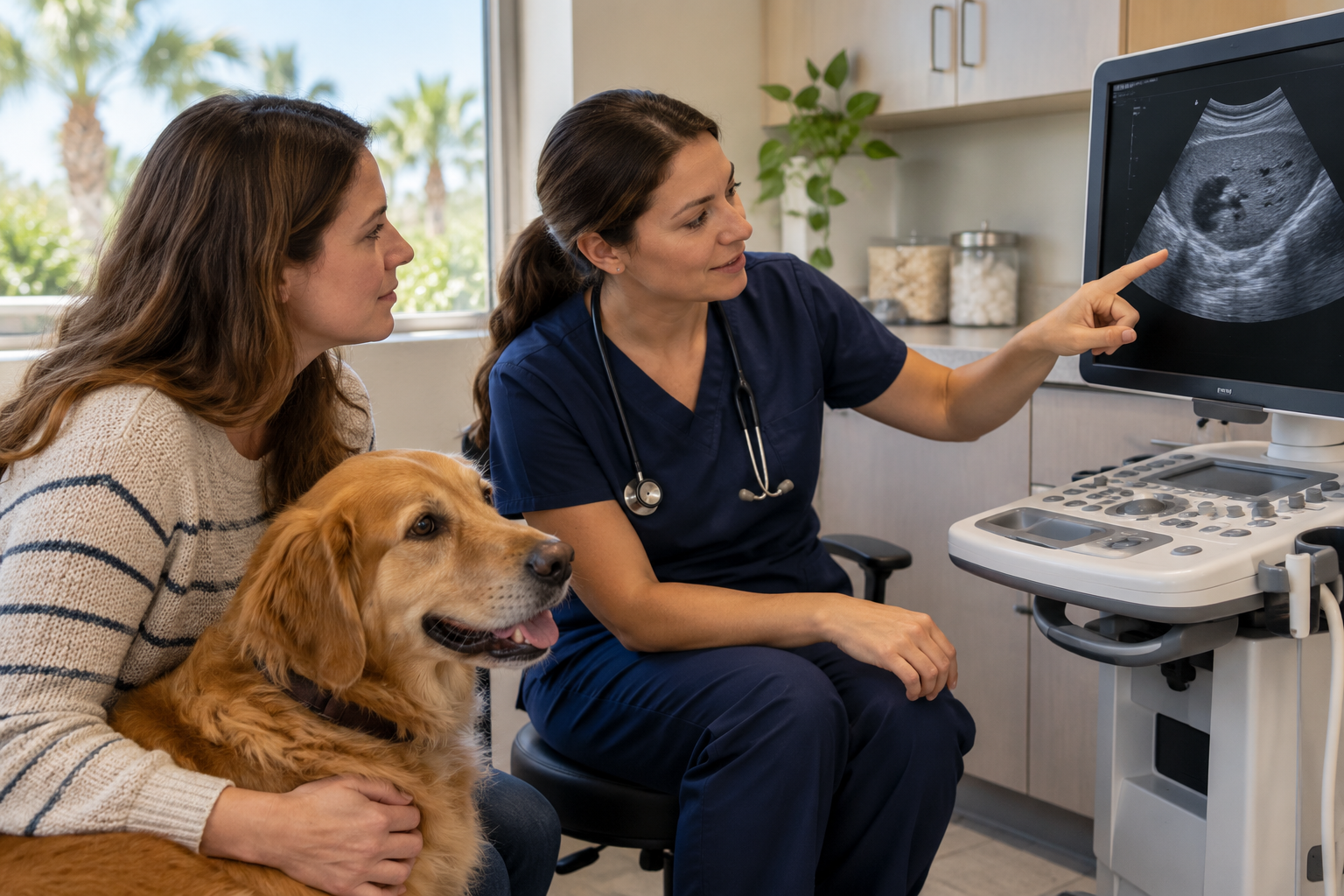
Veterinarian reviewing ultrasound images with a pet owner while a dog sits calmly beside them.

Veterinary Ultrasound in Pensacola, Florida

As part of our complete veterinary services in Pensacola, Olive Branch Pet Hospital provides veterinary ultrasound in Pensacola to help get to the bottom of your pet’s health issues. Ultrasound is just one of our comprehensive in-house diagnostic services, which also include blood chemistry, urinalysis, EKG, and endoscopy. The most appropriate test always depends on your pet’s specific symptoms, examination findings, and medical history.

If your pet has persistent symptoms or abnormal test results, schedule an exam with Olive Branch Pet Hospital to find out whether ultrasound or another diagnostic test can provide the answers you need.

Fun and Easy Summer Treats for Your Dog

summer-dog-treats-strip1

Fun and Easy Summer Treats for Your Dog

Summer is all about having fun in the sun. It’s also important that dogs stay cool, too! Otherwise, they can be in danger of dehydration and heatstroke.
To keep your pet cool this summer, make sure they always have access to plenty of shade and cool drinking water. You can also make some fun, homemade treats that your pet will love while keeping them cool from the inside out.

Our Favorite 3 Easy Summer Dog Treat Recipes

1. Broth Cubes

A new take on traditional ice cubes, fill a tray or freezer mold with low sodium chicken or beef broth. Freeze and let your pet enjoy them alone or in their dish of water.

2. Bite-Size Banana Pops

Slice one banana into small coins. Then, puree 1 1/2 cups of watermelon with 1 cup of pineapple. Add one banana coin to each square of an ice cube tray and cover with the fruit puree. Freeze and enjoy in moderation.

3. PB and J Pops

Blend 1 cup of washed berries with 1/4 cup of water. Fill the sections of an ice cube tray about 3/4 of the way full and add a small dollop of peanut butter to the squares. Freeze until solid and enjoy in moderation.

Avoid These Toxic Ingredients

Many foods that people enjoy are toxic to pets, including:
Although many frozen treat options call for plain yogurt, be wary of giving your dog much dairy as it can cause stomach upset, vomitting, and diarrhea.
Read the ingredients when choosing peanut butter products for your pet’s treats, looking out for xylitol and toxic types of nuts.
summer-dog-treats-strip3
summer-dog-treats-strip4

Treat Your Pet to a Wellness Plan at Olive Branch Pet Hospital

While you and your pet keep cool with fun snacks this summer, don’t forget about the importance of regular wellness and preventative care for keeping your dogs and cats healthy for life.
At Olive Branch Pet Hospital, we offer a variety of wellness plans designed to fit kittens, puppies, dogs, and cats of all shapes and sizes. To learn more about how signing your pet up for a wellness plan could save you money (more money for summer fun), we welcome you to contact our office today.