


Is Anesthesia Safe for Older Pets? A Real Risk Breakdown

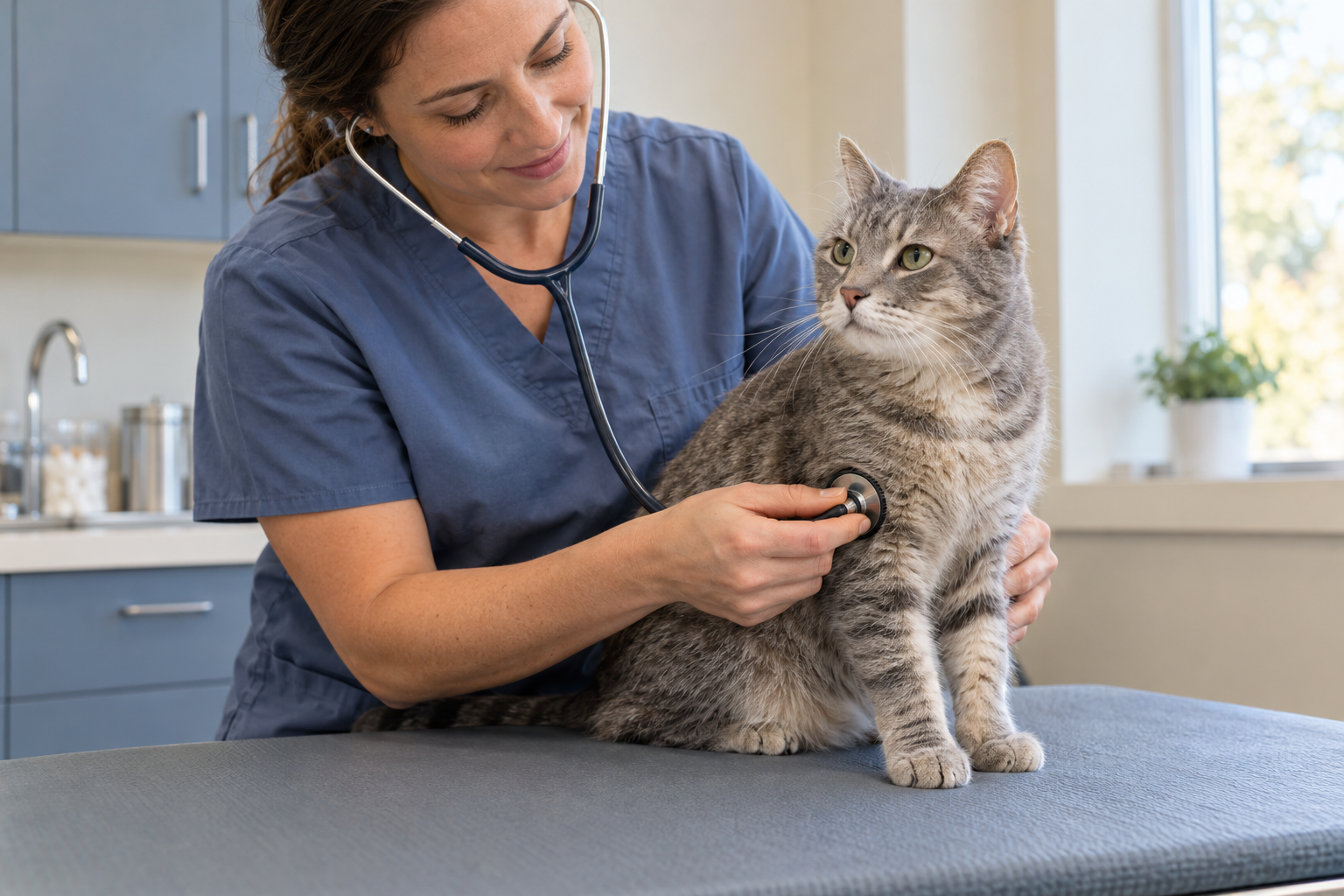
Veterinary clinician listening to a gray tabby cat’s chest with a stethoscope during an examination.

Is Anesthesia Safe for Older Pets? A Real Risk Breakdown

If your dog or cat is getting older, it is normal to worry when a dental cleaning, surgery, or diagnostic procedure requires anesthesia. A common question is, “Is anesthesia safe for older pets?” The reassuring answer is that anesthesia can be safe for senior pets when the veterinary team evaluates the individual patient, identifies health concerns beforehand, and adjusts the plan accordingly. Advanced age alone is not considered a reason to avoid general anesthesia.

What Actually Makes Anesthesia Riskier in an Older Pet?

Age matters because senior pets are more likely to have changes involving the heart, kidneys, liver, lungs, or other body systems. But the number of birthdays your pet has had is not the most important factor when evaluating senior dog anesthesia risks or senior cat anesthesia. A healthy 12-year-old dog may have a different anesthetic risk than a younger pet with significant heart, kidney, or respiratory disease. Veterinarians look at the whole patient during a pre-anesthetic evaluation: medical history, physical exam findings, current medications, previous anesthetic experiences, and the type and length of procedure being considered. A routine wellness exam can help establish a health baseline. If something raises concern, the safest choice may be to modify the anesthetic plan, investigate further, or postpone an elective procedure until the issue is better understood.

Why Is Pre-Anesthetic Bloodwork Important for Senior Pets?

Pre-anesthetic diagnostics, including pre-anesthetic bloodwork, can reveal problems that are not obvious from how a pet looks or acts. Blood chemistry can provide information about organ function, while other testing may be recommended based on the pet’s exam and history.

At Olive Branch Pet Hospital in Pensacola, patients are evaluated with a comprehensive physical examination and lab work before surgery and general anesthesia. Olive Branch also offers diagnostic services including blood chemistry, urinalysis, EKG, ultrasound, and endoscopy when clinically appropriate to further evaluate senior pets.

How Is Anesthetic Risk Reduced During a Procedure?

There is no such thing as zero-risk anesthesia. The goal when providing anesthesia for older dogs and cats is to reduce avoidable risk by tailoring medications and supportive care to the patient, monitoring vital functions throughout the procedure, and watching the pet closely during recovery. Veterinary anesthesia guidelines recommend using monitoring equipment and hands-on assessment to track heart rate, blood pressure, oxygen levels, and body temperature during the procedure. This real-time information helps the team recognize problems and make adjustments to support the pet’s stability. Veterinary anesthesia guidelines emphasize that safety begins before anesthesia and continues through recovery.

For dental care, pet dental anesthesia is especially important because it allows for a thorough oral examination, dental radiographs, and treatment that cannot be safely or effectively performed on an awake pet.
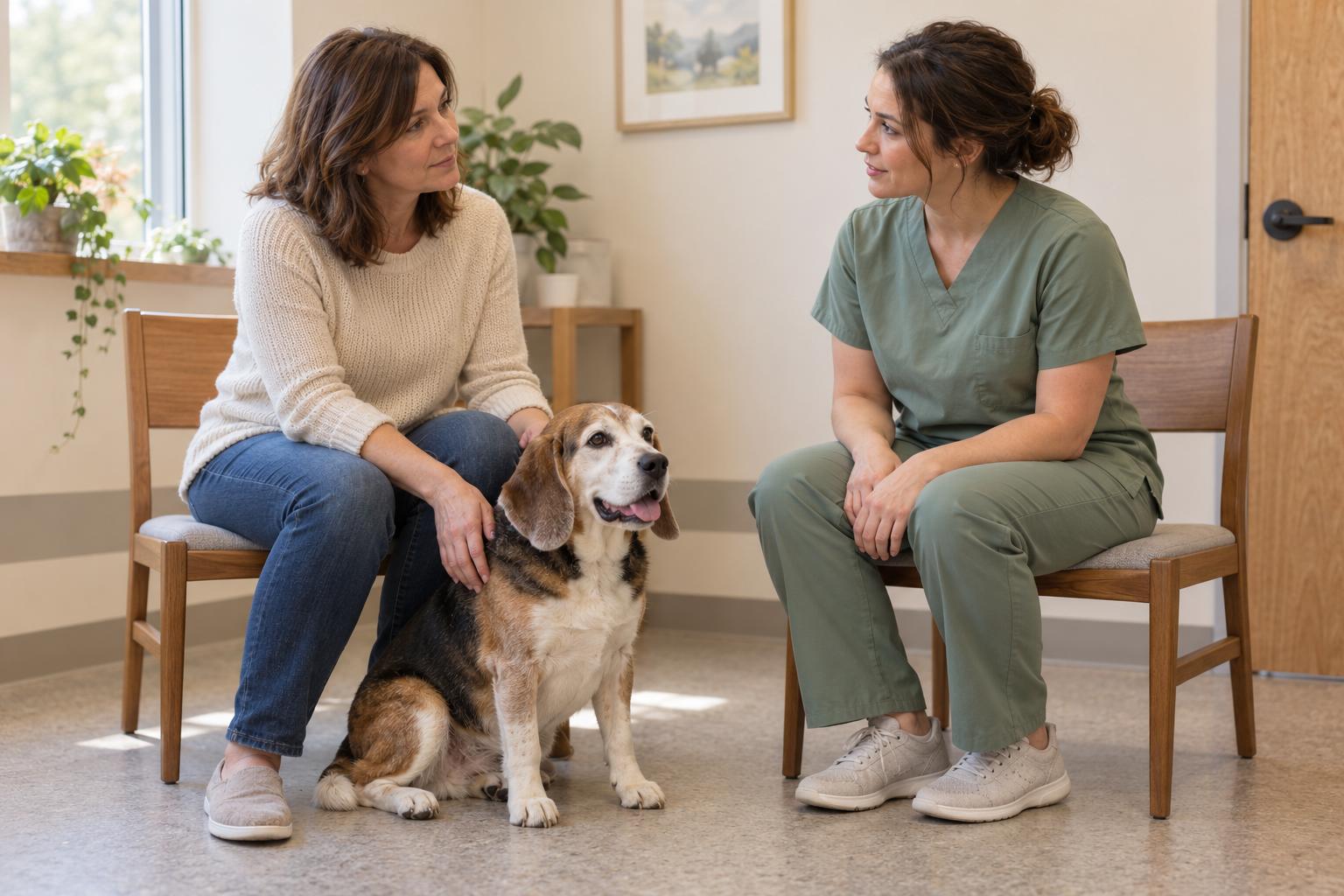
Owner and veterinary clinician discussing care while a senior beagle sits beside them.

Should Age Alone Stop You From Approving Dentistry or Surgery?

Usually, no. Delaying a needed procedure solely because a pet is older can allow painful dental disease or another treatable problem to progress. The better question is not, “Is my pet too old for anesthesia?” but, “What is my pet’s individual risk, and how can we reduce it?”

Schedule an exam with Olive Branch Pet Hospital in Pensacola to discuss your senior pet’s individual anesthesia risk and the safest plan for needed pet dentistry in Pensacola or veterinary surgery in Pensacola.

“Slowing Down” or Arthritis? Signs You Might Be Missing

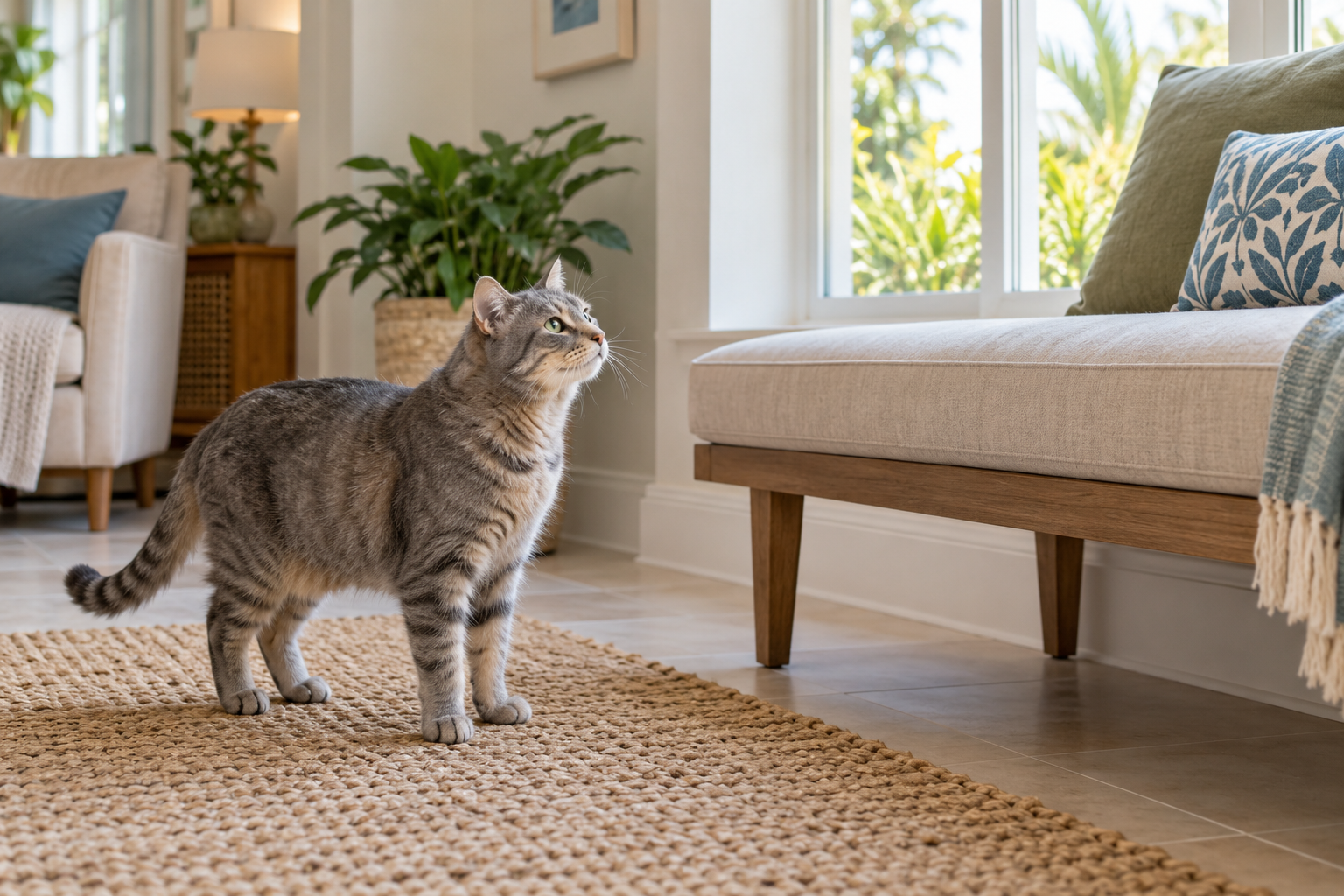
Gray tabby cat standing on a rug and looking toward a cushioned window bench.

“Slowing Down” or Arthritis? Signs You Might Be Missing

When an older dog takes longer to stand up or a cat stops jumping to a favorite perch, it is easy to assume they are simply “slowing down.” While aging naturally changes activity levels, persistent stiffness or hesitation is often a sign of osteoarthritis—a chronic joint disease causing pain, inflammation, and reduced mobility.

Osteoarthritis affects both dogs and cats, and it is not limited to very old pets. Recognizing the signs of arthritis in senior pets early gives your veterinarian a better opportunity to identify the cause and develop a plan that protects their comfort and mobility.

What Are the Signs of Arthritis in Senior Pets?

Arthritis does not always look like an obvious limp. Pets often adjust gradually to joint pain, making these subtle changes easy to miss. Watch for:

  • Stiffness after sleeping or resting
  • Difficulty getting up, using stairs, or jumping
  • Shorter walks or less interest in play
  • Slower movement or a change in gait
  • Hesitation to walk on slick floors
  • Irritability when touched, petted, or picked up
  • Reluctance to jump, decreased grooming, or avoiding the litter box (especially common in cats)

A short video showing how your pet walks, rises, climbs stairs, or jumps at home can give your veterinarian useful information that may not be obvious during an office visit.

How Does a Veterinarian Check for Arthritis?

A veterinary exam is the starting point for senior pet joint pain. Your veterinarian will observe your pet’s gait and posture, examine the joints and muscles, assess range of motion, and look for pain, swelling, instability, or muscle loss. X-rays or other diagnostic testing may also be recommended to confirm osteoarthritis in pets depending on the findings and your pet’s overall health.

At Olive Branch Pet Hospital in Pensacola, our wellness examinations and diagnostic services can help evaluate aging pets and uncover the true cause behind changes in activity or mobility.

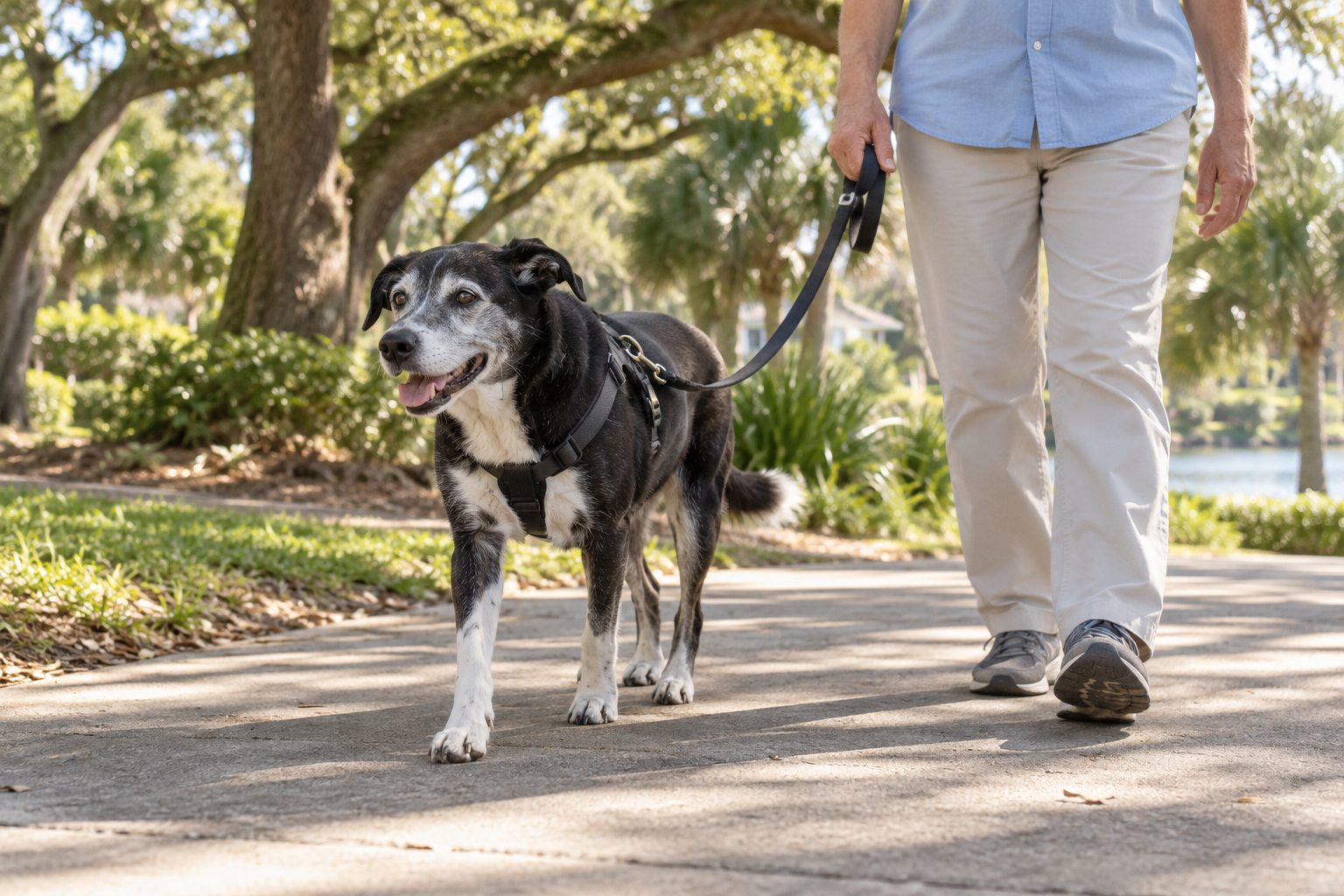
Senior black-and-white dog walking on a loose leash beside an owner on a shaded park path.

Can Arthritis Be Managed Long Term?

Osteoarthritis is progressive, but many pets remain active and comfortable with an individualized management plan. Depending on the pet, a care plan may include weight management, appropriate low-impact exercise, home modifications, veterinary pain medication, and nutritional support. If long-term prescription pain control is considered, bloodwork is typically recommended for ongoing safety monitoring.

Maintaining a healthy body weight is critical because excess weight increases stress on painful joints. To support aging pet mobility problems, Olive Branch offers comprehensive nutrition and weight management services. We also provide laser therapy, a non-invasive treatment that may be considered as part of a veterinarian-directed care plan to reduce pain and inflammation.

If your pet is moving differently, do not automatically assume it is just old age. An exam can help determine whether arthritis, another orthopedic problem, or a different medical issue is behind the change.

If your dog or cat is becoming stiffer, slower, or less willing to do the things they once enjoyed, schedule an exam with Olive Branch Pet Hospital in Pensacola to find out what may be causing the change.

Euthanasia

Euthanasia

One of the most difficult tasks of my job is performing euthanasia or more commonly “putting a pet to sleep”. No owner wants to make this decision, but understanding that euthanasia can be a final act of kindness for their beloved friend may make this decision a little more bearable. Dr. Michael Schaer at the University of Florida, once gave me a heart to heart talk about euthanasia and when it is an appropriate course of action. He said in his 30-plus years of practice, the patient always dictates his course of treatment, but with consideration to the educated owners’ desire. In doctor’s words, look at the patient and its disease, quality of life, can you improve any aspect for the patient or the owner and if not, consider euthanasia. In owner’s words, you know when it is time to end a patient’s life when they stop interacting with the family, stop eating, drinking or having normal bathroom habits, have a treatable or untreatable disease that carries a horrible prognosis or certain death…in other words, a poor quality of life. Personally, my father died in a nursing home after years of strokes destroyed his physical and mental status. To be honest, there were many times I wish euthanasia could have been available to end my father’s tremendous suffering. Everyone, myself included, wishes their pet will pass away in their sleep, but unfortunately, this is a very, very rare occurrence. Euthanasia is a painless, quick procedure which ends physical suffering for the patient and helps start emotional healing for the owner. Procedurally, a special concentrated barbiturate injection (only used for this purpose) is given intravenously to the patient which stops the heart and breathing. The patient feels nothing and death is instantaneous.
Euthanasia is the most difficult decision an owner can make for their pet. Although not always possible, I try to educate the owner about the disease and prognosis long before a decision has to be made. Having the ability to end a good friends’ suffering, when nothing can be done, is truly the greatest act of kindness an owner can provide.