Why Is My Dog Drinking So Much Water? When Excessive Thirst Signals a Health Problem

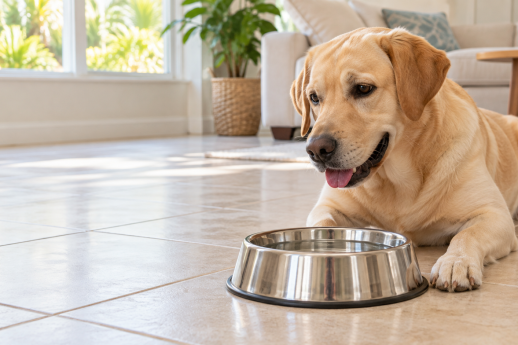
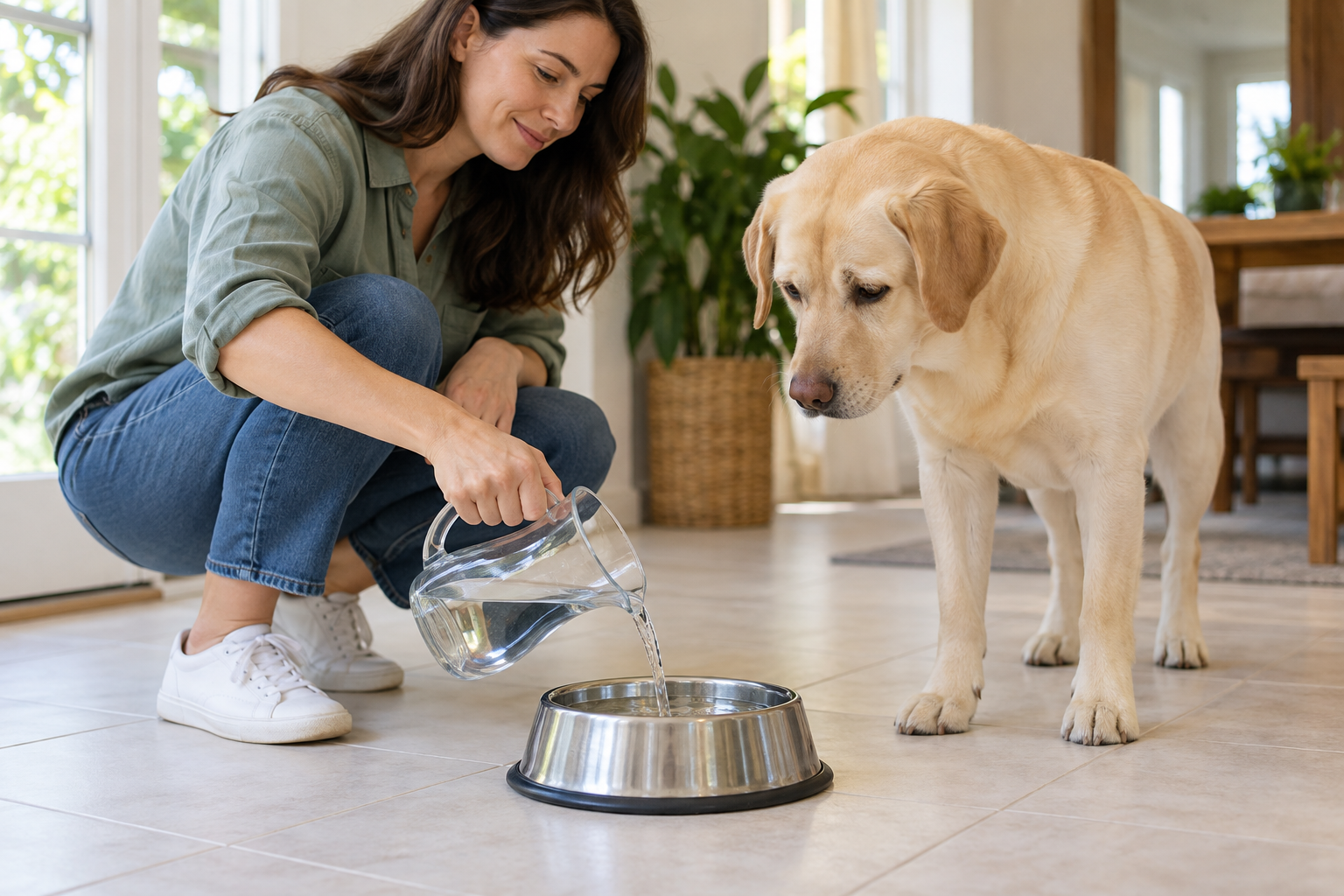
Pet owner pouring fresh water into a bowl while a yellow Labrador watches.

Why Is My Dog Drinking So Much Water? When Excessive Thirst Signals a Health Problem

If you find yourself wondering, “why is my dog drinking so much water?” the change is worth noticing. Increased thirst—known clinically as polydipsia in dogs—can happen temporarily after exercise, time outdoors in Pensacola’s heat, or a change in diet. But when a dog consistently drinks and urinates more than normal, it can be an early sign of an underlying health problem.

Veterinary references commonly use water intake above 100 mL per kilogram of body weight per day as a guideline for excessive drinking. However, a meaningful change from your dog’s normal habits matters even below that number. If you are concerned, measure how much water your dog drinks over 24 hours and note any changes in urination, appetite, weight, or energy.

What Can Cause Excessive Thirst in Dogs?

Several conditions can lead to a dog drinking and urinating more. Because these conditions look similar at home, diagnostic testing is required to find the exact cause. Common culprits include:

  • Kidney disease in dogs: The kidneys may lose their ability to concentrate urine, causing a dog to lose excess fluid and drink more to compensate.
  • Diabetes mellitus: Because extreme thirst is one of the classic dog diabetes symptoms, we look for glucose spilling into the urine, which increases water loss and drives urination.
  • Cushing’s disease: An overproduction of cortisol by the adrenal glands can increase thirst and urination.
  • Pyometra: In an unspayed female dog, increased thirst can sometimes occur with a serious, potentially life-threatening uterine infection.
  • Other factors: Liver disease, high blood calcium, kidney infections, and certain medications can also trigger excessive thirst.

When Should You Call the Vet?

Schedule a veterinary exam if the increase in drinking persists, has no obvious explanation, or comes with frequent urination, house accidents, weight loss, appetite changes, vomiting, lethargy, panting, or weakness.

Seek immediate veterinary care if your dog appears suddenly very ill, repeatedly vomits, collapses, or shows signs of dehydration. An unspayed female with increased thirst plus lethargy, vomiting, or vaginal discharge also needs immediate veterinary evaluation.

Do not restrict your dog’s water unless a veterinarian specifically instructs you to. If the body is losing excess fluid, limiting access to water can rapidly worsen dehydration.
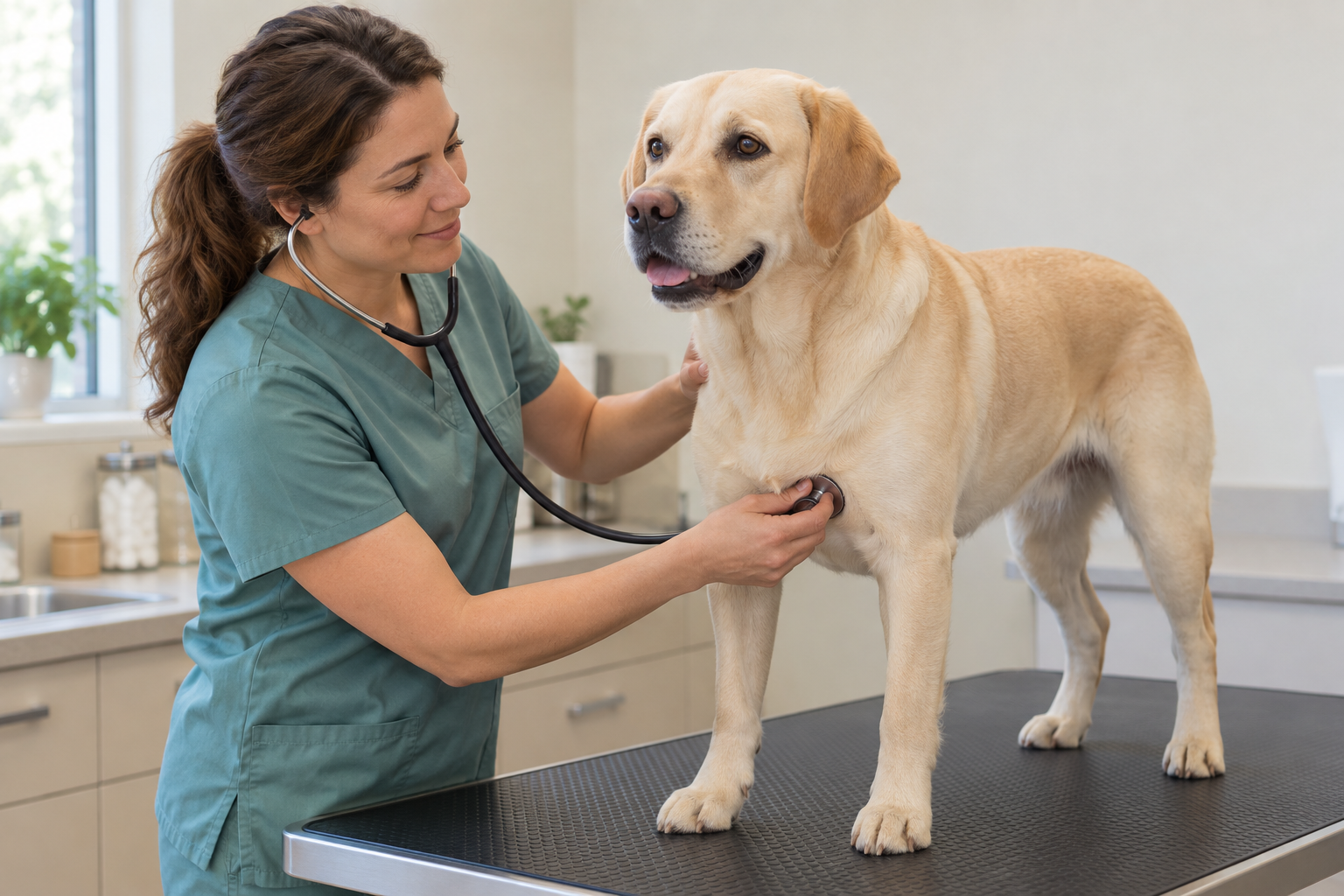
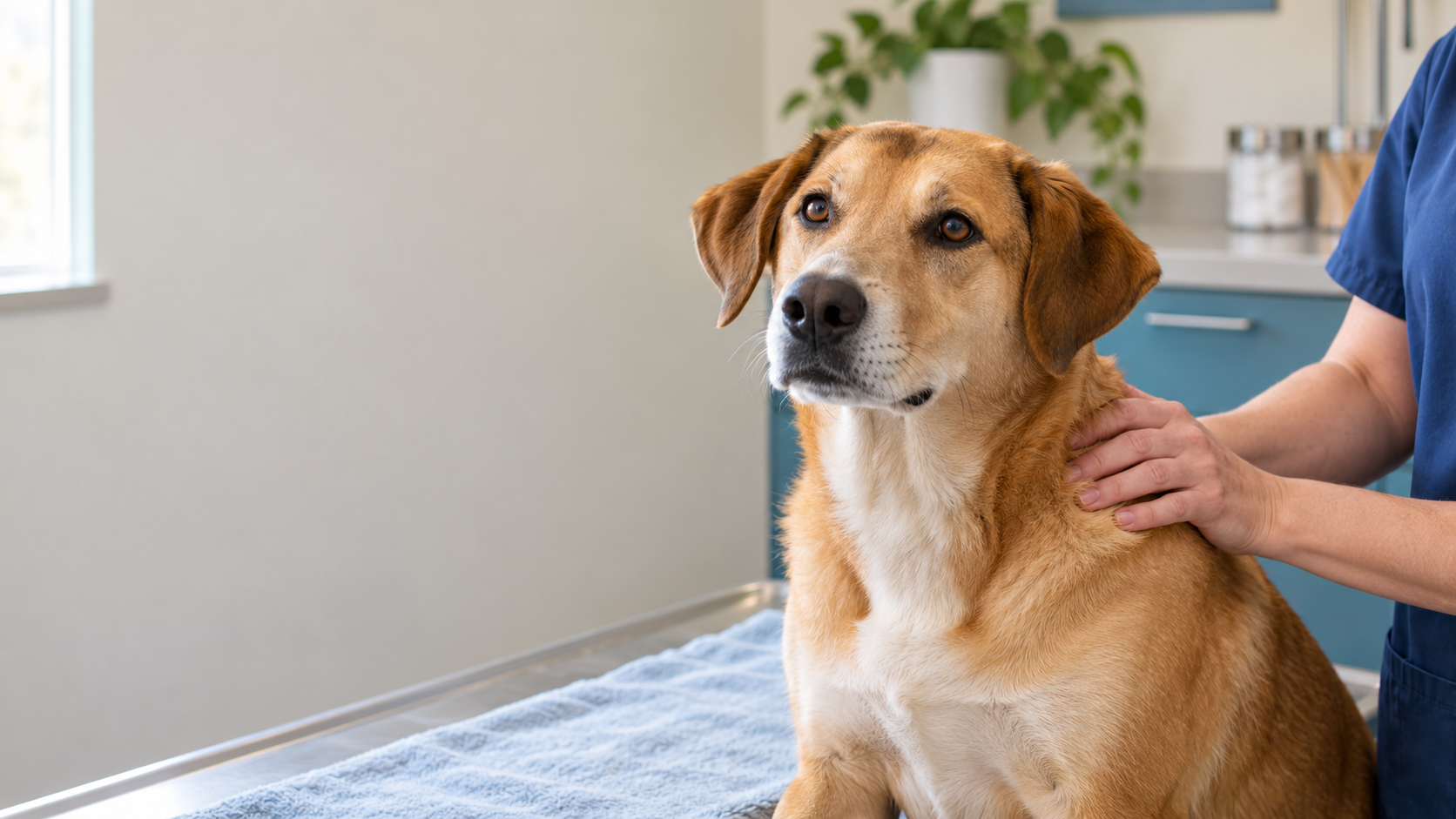
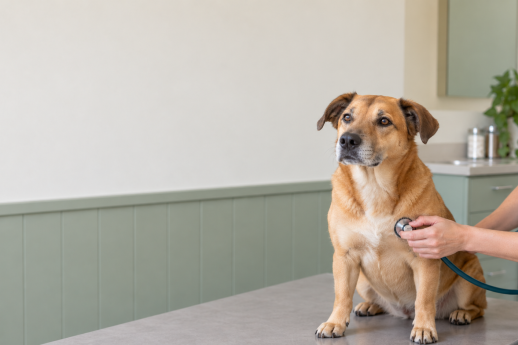
Veterinarian using a stethoscope to examine a yellow Labrador on a nonslip exam table.

How Can Diagnostic Testing Help?

At Olive Branch Pet Hospital, our veterinary diagnostics in Pensacola are designed to help identify the root cause of your pet’s symptoms. Whether ordered during a sick visit or as part of routine wellness care, testing provides critical answers.

Initial testing for excessive thirst often includes blood chemistry and urinalysis. Urinalysis shows how concentrated the urine is and can reveal glucose, inflammation, or infection. Blood chemistry provides complementary information about organ function, blood sugar, and electrolytes. Depending on the initial results, additional testing or imaging, such as an ultrasound, may be recommended.

If your dog is suddenly drinking or urinating more than usual, schedule a veterinary exam with Olive Branch Pet Hospital in Pensacola to help determine what is causing the change.

Why Is My Pet Losing Weight Even Though They’re Still Eating?

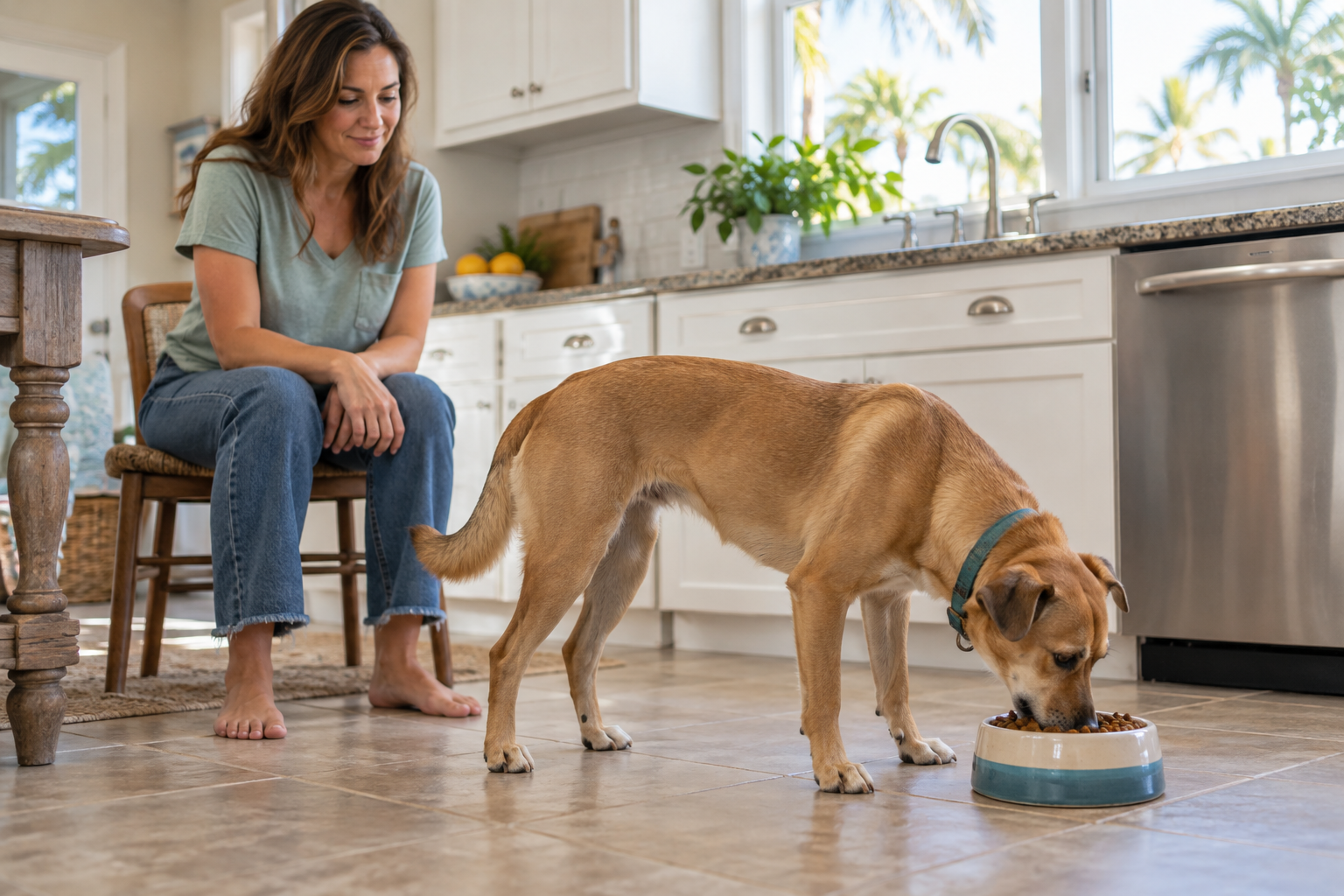
Pet owner watching a tan dog eat from a bowl in a bright kitchen.

Why Is My Pet Losing Weight Even Though They’re Still Eating?

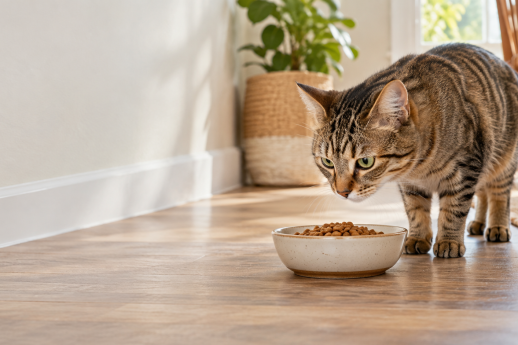
Have you noticed your dog or cat looking thinner recently, even though they are emptying their food bowl just as quickly as always?

When a pet refuses food, pet parents immediately know something is wrong. However, if your pet is eating normally—or even begging for more meals—it is easy to assume they are healthy. Unfortunately, persistent weight loss in a pet with a normal or increased appetite is often a medical red flag.

At Olive Branch Pet Hospital in Pensacola, veterinary exams and diagnostics can help investigate unexplained weight loss. A healthy appetite does not rule out disease. Losing weight while eating normally deserves a veterinary evaluation.

Why is My Pet Losing Weight While Eating?

When a pet consumes enough calories but still loses weight, their body may be having trouble digesting, absorbing, or using nutrients, losing nutrients, or using more energy than expected. A normal-looking appetite does not always mean calorie intake meets their needs.

Common medical causes include:

  • Endocrine Disease: Diabetes mellitus can cause weight loss in both dogs and cats. Because the body cannot use blood sugar properly, the pet’s cells receive too little energy, leading to weight loss despite an increased appetite. In cats, hyperthyroidism (an overactive thyroid gland) raises the body’s metabolic rate.
  • Digestive Disorders: Exocrine Pancreatic Insufficiency (EPI) reduces the pancreas’s production of digestive enzymes. Inflammatory Bowel Disease (IBD) can interfere with intestinal nutrient absorption. Both can cause weight loss.
  • Intestinal Parasites: Some intestinal parasites can cause weight loss by damaging the intestinal lining, interfering with nutrient absorption, or causing blood loss.
  • Chronic Illness: Cancer and other chronic diseases can alter metabolism and cause loss of fat or muscle, sometimes despite adequate food intake.

(Note: A decrease or complete loss of appetite also deserves attention. If your dog refuses food entirely, contact a veterinarian promptly, especially if other symptoms are present.)

What Should You Do?

Do not rely on increasing your pet’s daily food portions alone. Extra food cannot address every cause of weight loss and should not delay a veterinary exam. Your veterinarian can assess your pet’s calorie intake and dietary needs alongside possible medical causes.

Instead, your pet requires a comprehensive veterinary exam. At Olive Branch Pet Hospital, our in-house diagnostic laboratory allows us to run blood chemistry and urinalysis tests. These tests can help investigate diabetes and kidney disease; some conditions require additional testing. When appropriate, we also utilize ultrasound and endoscopy to examine internal organs and the digestive tract.

(Are you noticing other changes? If your pet is also drinking excess water and urinating frequently alongside their weight loss, tell your veterinarian.)

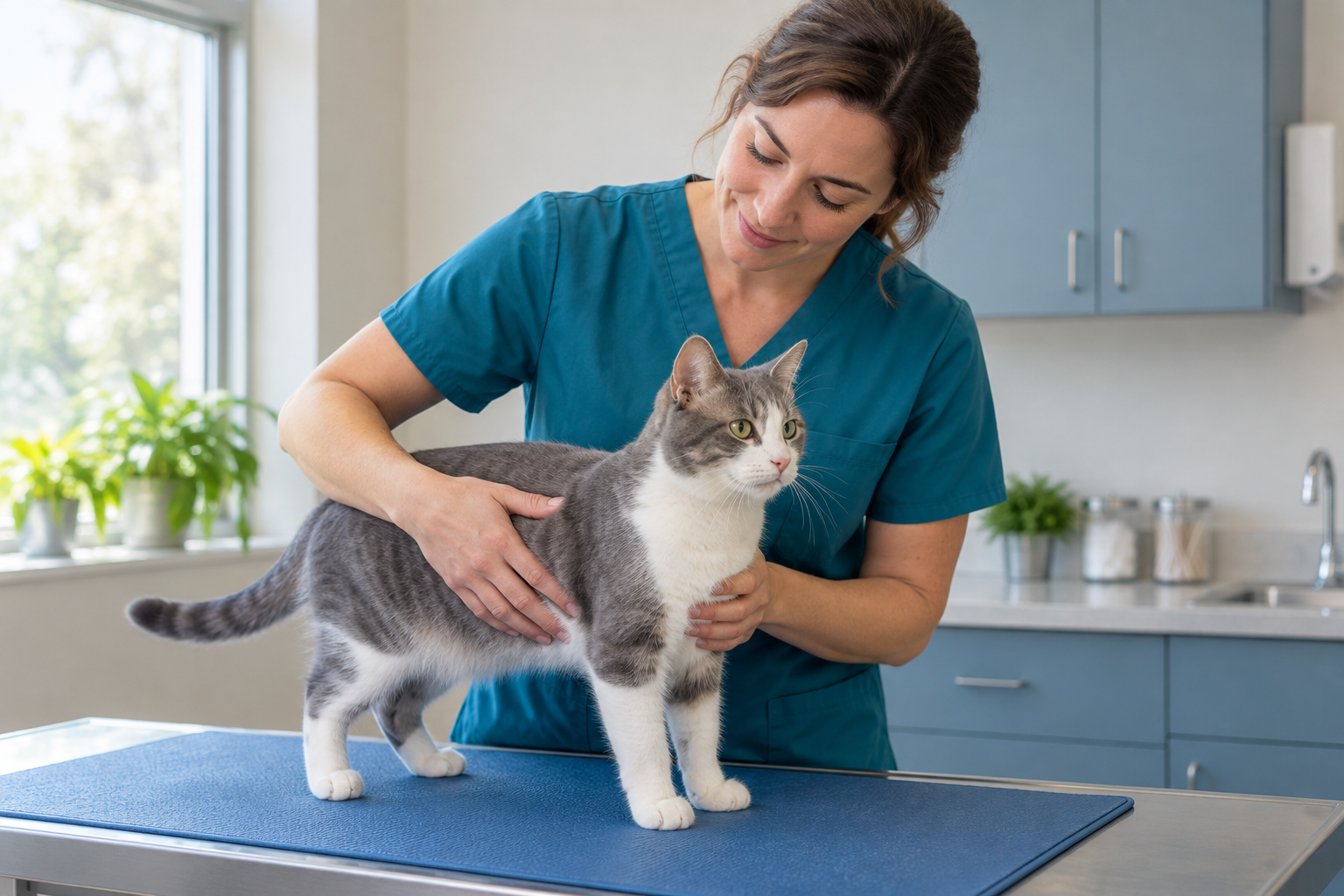
Veterinarian gently examining a gray-and-white cat on a blue non-slip mat.

Schedule a Pensacola Vet Checkup

If your furry family member is losing weight despite a strong appetite, it is time to find out why. Our veterinary team can investigate possible causes and recommend an appropriate treatment or nutrition plan based on the findings.

Call Olive Branch Pet Hospital at (850) 477-2901 to schedule a diagnostic exam. We know your animals are more than just pets—they’re family!

Dog Vomiting After the Beach: When It’s Serious

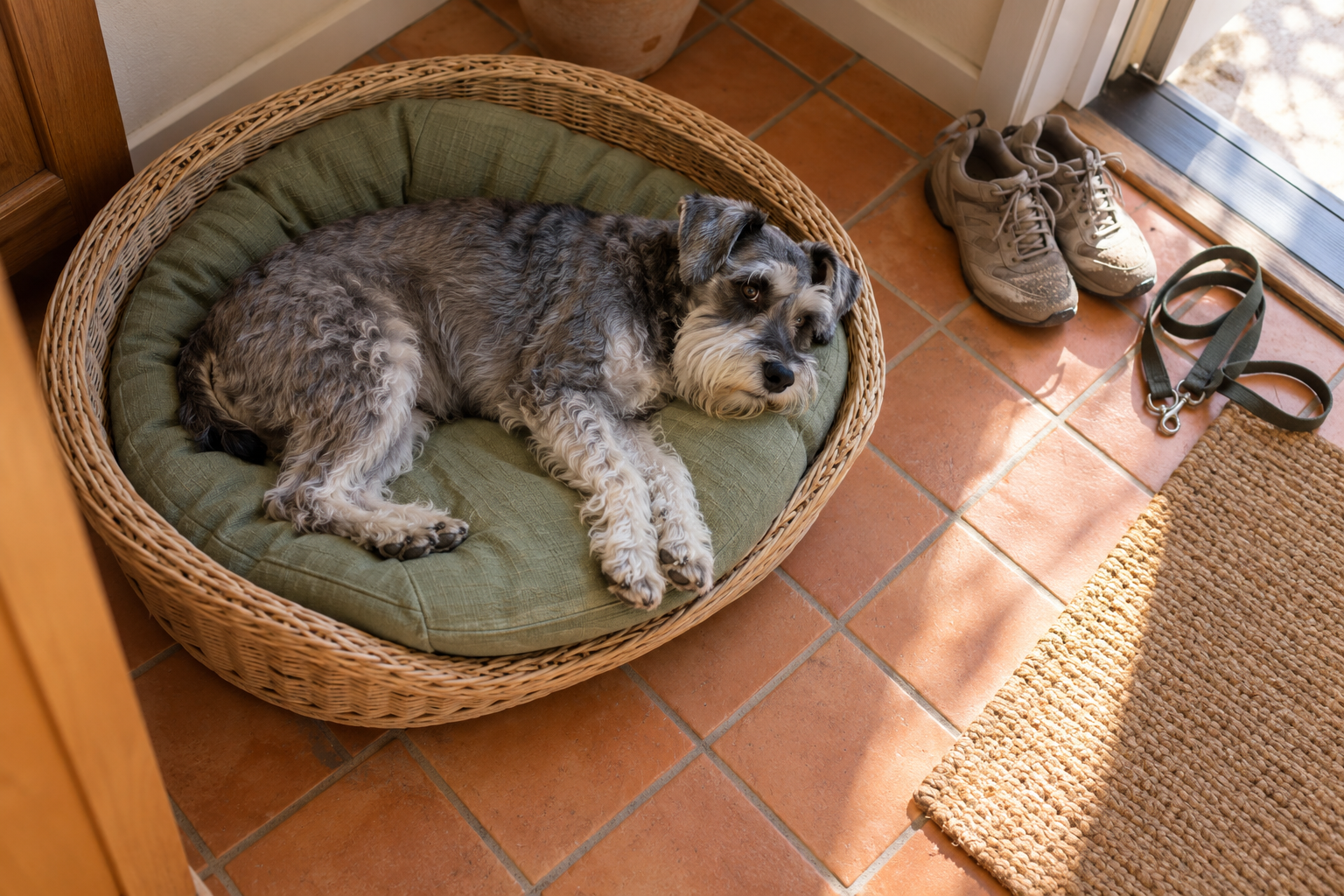
Salt-and-pepper schnauzer resting in a woven dog bed near sandy shoes and a leash.

Dog Vomiting After the Beach: When It’s Serious

A beach day can end with a tired, sandy dog and, sometimes, an upset stomach. If your dog vomits after a trip to the beach, the most important questions are how often it is happening, what your dog may have swallowed, and whether any other symptoms are developing.

One isolated episode of vomiting in an otherwise bright, comfortable adult dog may be something you can closely monitor at home, provided there is no suspected toxin or foreign-object ingestion or heat-related illness. However, repeated vomiting, unusual behavior, or trouble keeping water down deserves prompt veterinary attention.

Why Would a Dog Vomit After Going to the Beach?

Several hazards common to the Gulf Coast can cause gastrointestinal distress in dogs:

  • Saltwater Ingestion: Swallowing seawater while swimming or playing in the surf can cause stomach upset. While small amounts may cause minor irritation, larger amounts can raise sodium levels in the blood, leading to salt toxicosis (hypernatremia). Dogs with significant salt exposure may develop vomiting, diarrhea, weakness, poor coordination, tremors, or seizures.
  • Sand Ingestion: Dogs can accidentally swallow sand while digging, carrying sandy toys, or repeatedly licking their muzzle. Enough sand or beach debris can irritate the digestive tract or contribute to an intestinal blockage; a buildup of sand is called sand impaction. Vomiting accompanied by abdominal pain, loss of appetite, lethargy, or straining to pass stool should not be ignored.
  • Heat-Related Illness: Pensacola’s heat and humidity add another layer of concern. Vomiting can be a sign of heat-related illness, including heatstroke, especially when accompanied by heavy panting, excessive drooling, weakness, red or dark gums, difficulty breathing, or collapse.
  • Red Tide Exposure: Florida beachgoers must be cautious during red tide events. The Florida Fish and Wildlife Conservation Commission advises keeping pets away from dead fish and accumulated foam during a bloom, as swallowed brevetoxins can cause neurological and gastrointestinal illness. Breathing in aerosolized toxins can also cause respiratory irritation.

When Is Vomiting After the Beach an Emergency?

Seek veterinary care immediately if your dog experiences any of the following warning signs:

  • Repeated vomiting or inability to keep water down
  • Blood in the vomit or stool
  • Marked lethargy, weakness, or collapse
  • A swollen, hard, or painful abdomen
  • Disorientation, tremors, or seizures
  • Difficulty breathing
  • Suspected ingestion of a toxin, dead fish, or foreign object

Note: Contact your veterinarian sooner for puppies and senior dogs.

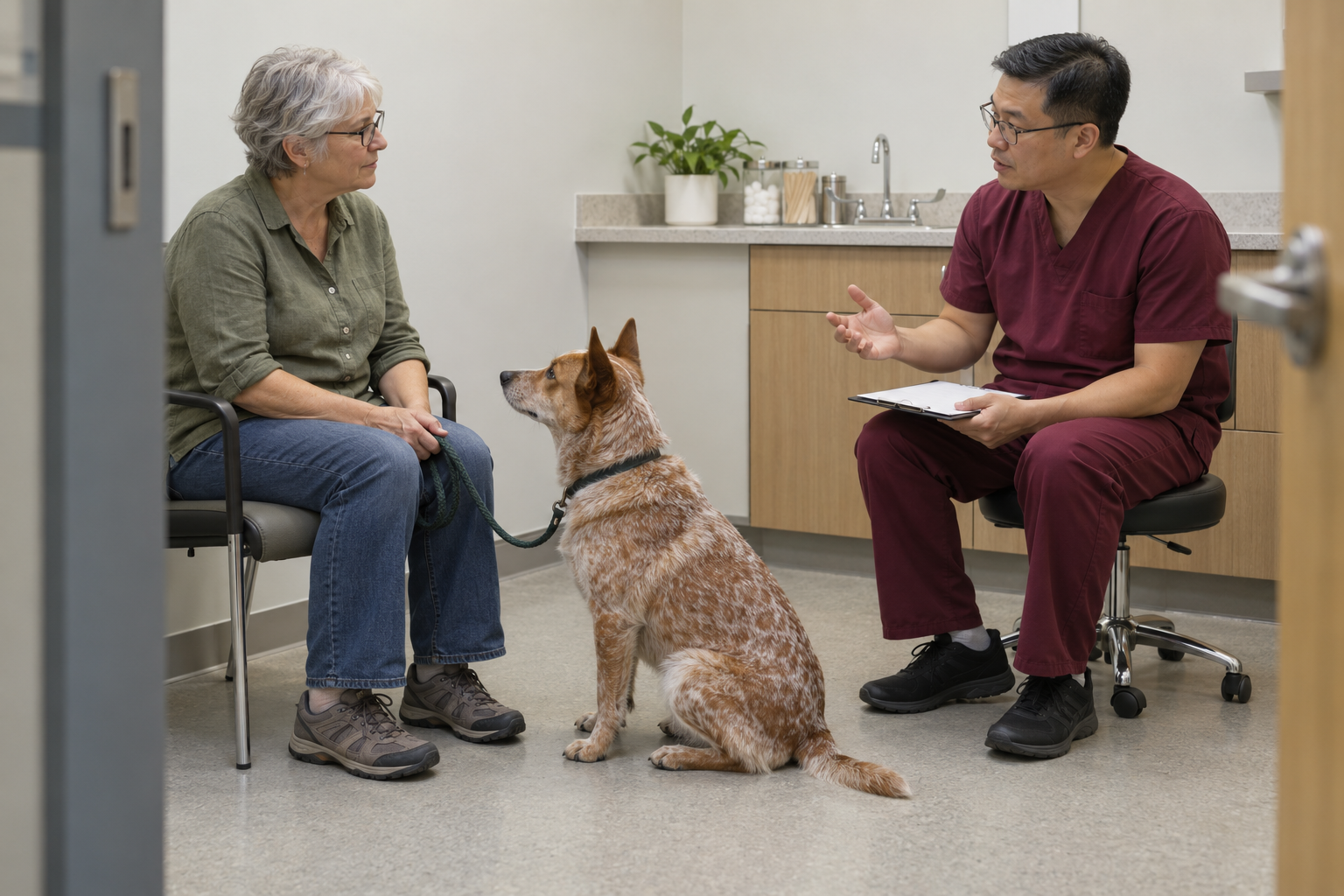
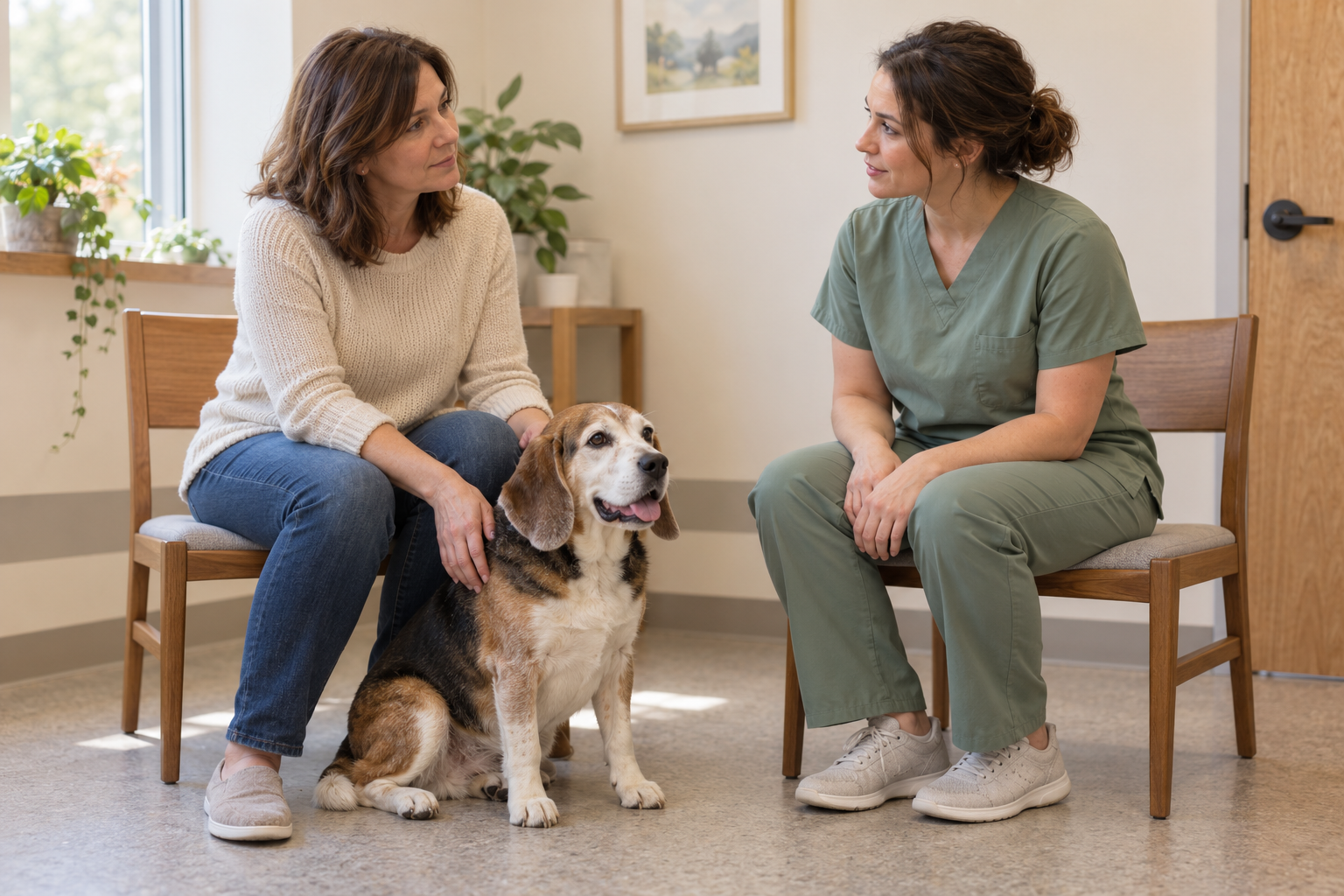
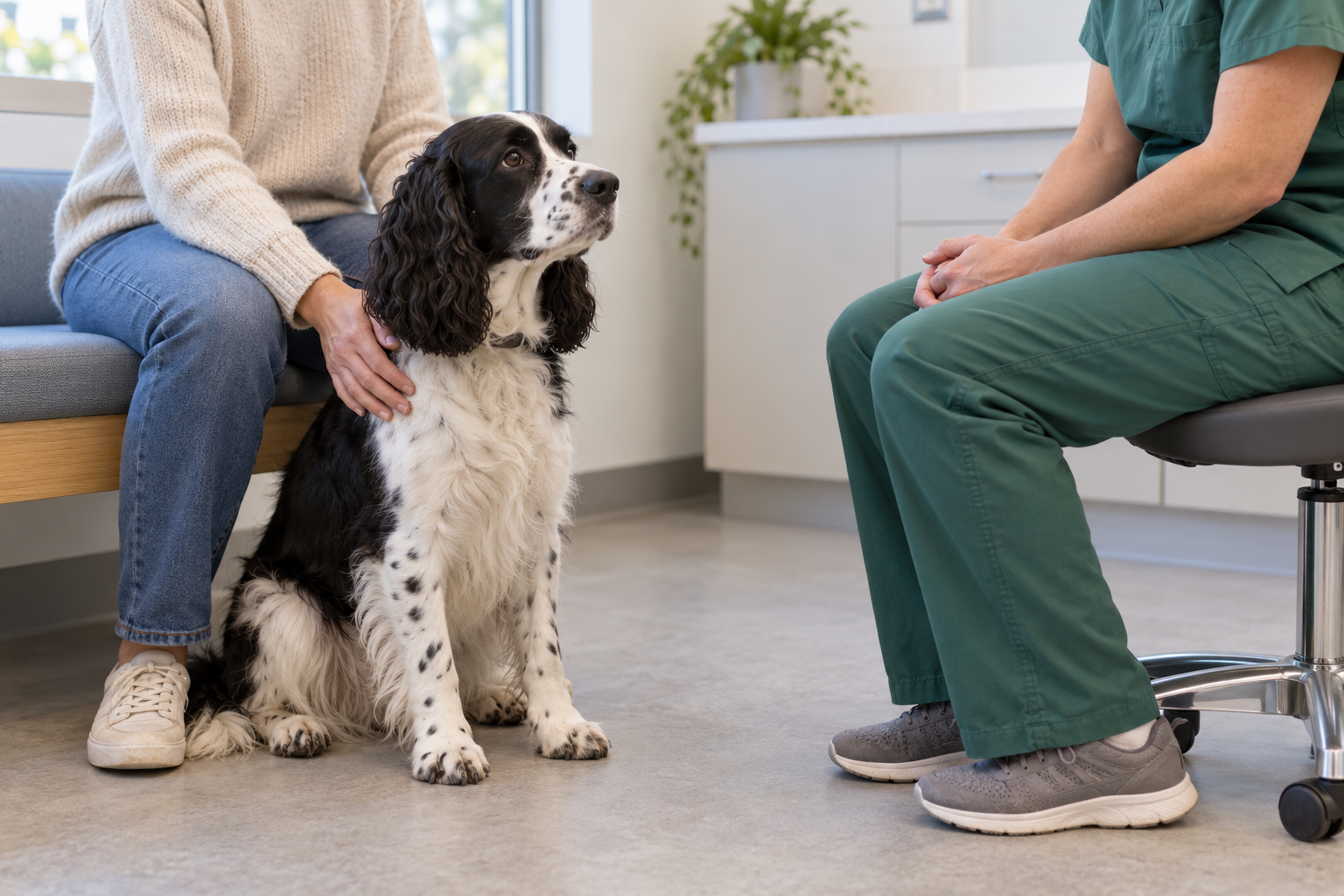
Owner discussing her cattle dog’s history with a veterinarian during a seated consultation.

How Can a Veterinarian Find the Cause?

Because vomiting is a symptom rather than a specific diagnosis, a physical examination and a careful history of what happened at the beach will guide the next steps. Depending on these findings, diagnostic testing may be needed to evaluate your dog’s hydration, electrolyte balance, organ function, or to check for a possible intestinal obstruction.

Olive Branch Pet Hospital in Pensacola offers comprehensive diagnostic services, including blood chemistry, urinalysis, ultrasound, and endoscopy. The specific tests recommended will be tailored to your dog based on their physical examination and current symptoms.

If your dog is vomiting after a Pensacola beach trip, especially if it happens repeatedly or comes with other warning signs, call Olive Branch Pet Hospital during office hours for a thorough veterinary evaluation. For an after-hours emergency, call VERC at (850) 477-3914.

Is Anesthesia Safe for Older Pets? A Real Risk Breakdown

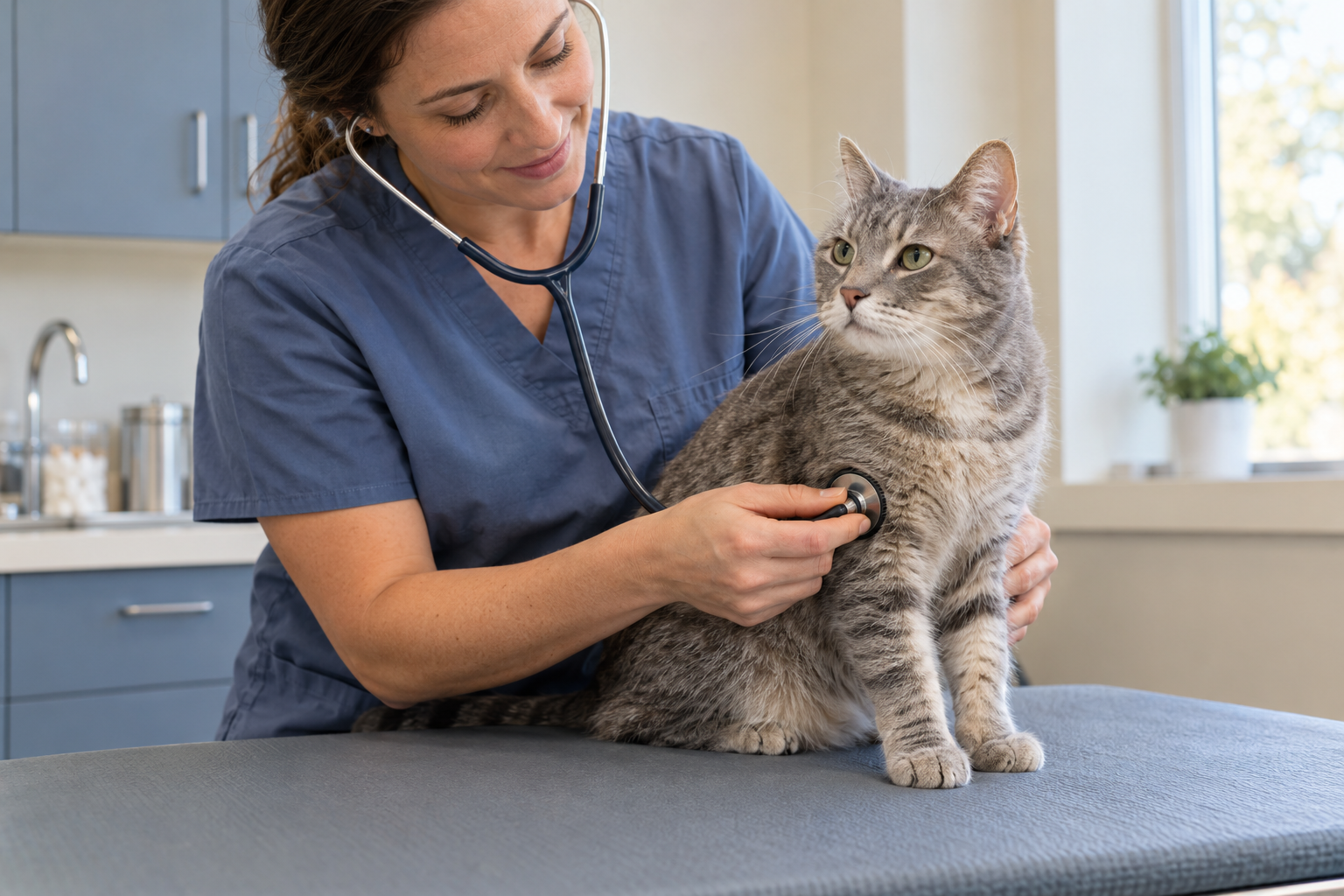
Veterinary clinician listening to a gray tabby cat’s chest with a stethoscope during an examination.

Is Anesthesia Safe for Older Pets? A Real Risk Breakdown

If your dog or cat is getting older, it is normal to worry when a dental cleaning, surgery, or diagnostic procedure requires anesthesia. A common question is, “Is anesthesia safe for older pets?” The reassuring answer is that anesthesia can be safe for senior pets when the veterinary team evaluates the individual patient, identifies health concerns beforehand, and adjusts the plan accordingly. Advanced age alone is not considered a reason to avoid general anesthesia.

What Actually Makes Anesthesia Riskier in an Older Pet?

Age matters because senior pets are more likely to have changes involving the heart, kidneys, liver, lungs, or other body systems. But the number of birthdays your pet has had is not the most important factor when evaluating senior dog anesthesia risks or senior cat anesthesia. A healthy 12-year-old dog may have a different anesthetic risk than a younger pet with significant heart, kidney, or respiratory disease. Veterinarians look at the whole patient during a pre-anesthetic evaluation: medical history, physical exam findings, current medications, previous anesthetic experiences, and the type and length of procedure being considered. A routine wellness exam can help establish a health baseline. If something raises concern, the safest choice may be to modify the anesthetic plan, investigate further, or postpone an elective procedure until the issue is better understood.

Why Is Pre-Anesthetic Bloodwork Important for Senior Pets?

Pre-anesthetic diagnostics, including pre-anesthetic bloodwork, can reveal problems that are not obvious from how a pet looks or acts. Blood chemistry can provide information about organ function, while other testing may be recommended based on the pet’s exam and history.

At Olive Branch Pet Hospital in Pensacola, patients are evaluated with a comprehensive physical examination and lab work before surgery and general anesthesia. Olive Branch also offers diagnostic services including blood chemistry, urinalysis, EKG, ultrasound, and endoscopy when clinically appropriate to further evaluate senior pets.

How Is Anesthetic Risk Reduced During a Procedure?

There is no such thing as zero-risk anesthesia. The goal when providing anesthesia for older dogs and cats is to reduce avoidable risk by tailoring medications and supportive care to the patient, monitoring vital functions throughout the procedure, and watching the pet closely during recovery. Veterinary anesthesia guidelines recommend using monitoring equipment and hands-on assessment to track heart rate, blood pressure, oxygen levels, and body temperature during the procedure. This real-time information helps the team recognize problems and make adjustments to support the pet’s stability. Veterinary anesthesia guidelines emphasize that safety begins before anesthesia and continues through recovery.

For dental care, pet dental anesthesia is especially important because it allows for a thorough oral examination, dental radiographs, and treatment that cannot be safely or effectively performed on an awake pet.

Owner and veterinary clinician discussing care while a senior beagle sits beside them.

Should Age Alone Stop You From Approving Dentistry or Surgery?

Usually, no. Delaying a needed procedure solely because a pet is older can allow painful dental disease or another treatable problem to progress. The better question is not, “Is my pet too old for anesthesia?” but, “What is my pet’s individual risk, and how can we reduce it?”

Schedule an exam with Olive Branch Pet Hospital in Pensacola to discuss your senior pet’s individual anesthesia risk and the safest plan for needed pet dentistry in Pensacola or veterinary surgery in Pensacola.

Why Ear Infections Keep Coming Back in Florida Dogs

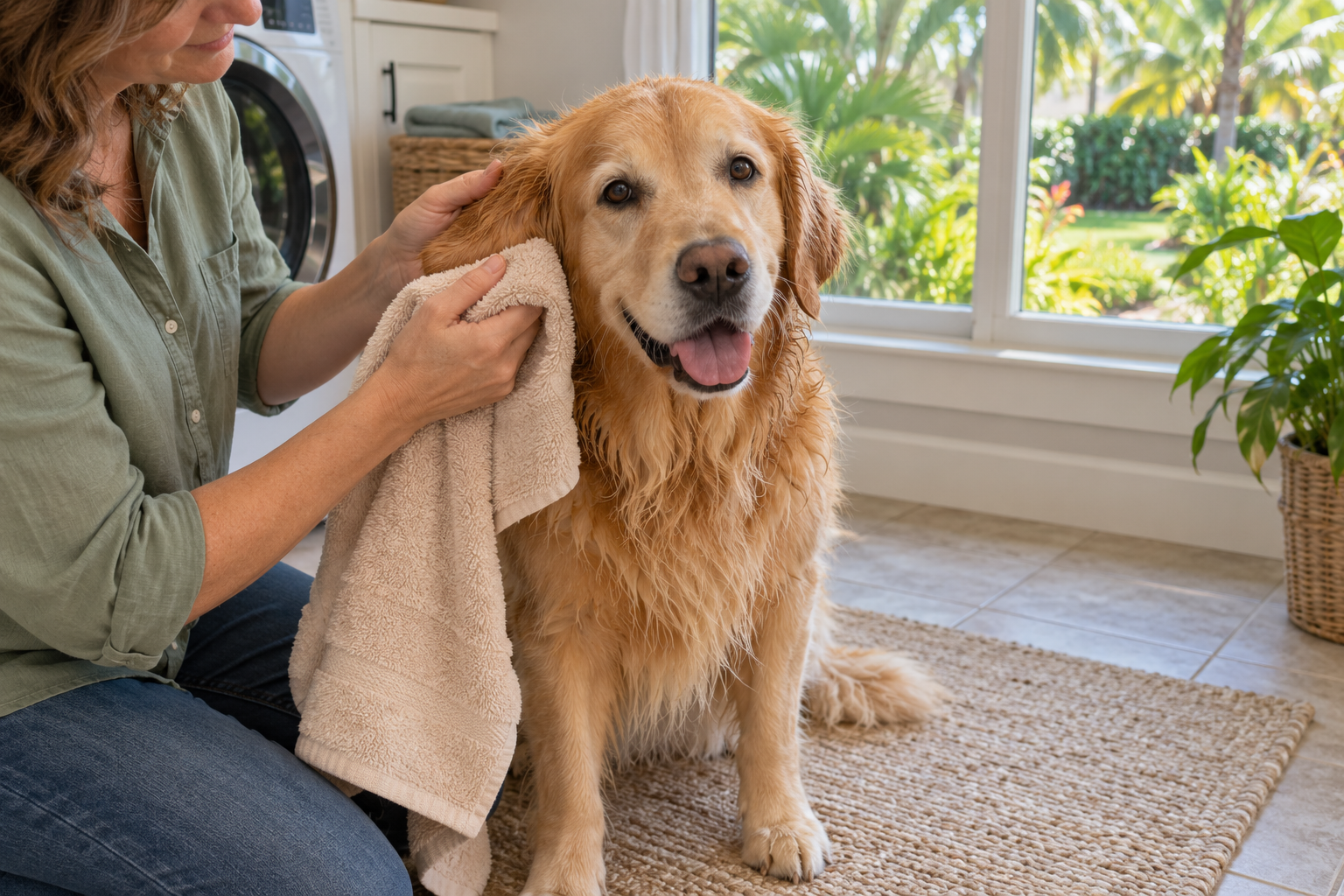
Owner gently patting a golden retriever’s outer ear with a towel after a bath.

Why Ear Infections Keep Coming Back in Florida Dogs

If your dog’s ear infection seems to clear up only to return a few weeks or months later, you might be wondering why dog ear infections keep coming back. Recurrent ear infections in dogs often happen because an underlying problem keeps changing the ear canal environment, allowing yeast or bacteria to overgrow again.

Why Do Some Dogs Get Repeated Ear Infections?

In Florida dogs, moisture is often part of the equation. Pensacola’s warm, humid climate, frequent swimming, bathing, and anatomical traits like floppy ears can all trap moisture inside the ear canal. But moisture alone is not always the full explanation. One of the most common underlying contributors is allergies. Environmental allergies to things such as pollen, mold, or dust mites can inflame the skin lining the ears. Food allergies can also cause ear inflammation in some dogs. Once that protective skin barrier becomes irritated, yeast and bacteria may multiply and create a secondary infection. Anatomy matters, too. Dogs with narrow ear canals, heavy ear flaps, or dense hair around the ear opening naturally have less airflow. Furthermore, chronic inflammation from repeated infections can make the canal thicker and narrower, making future flare-ups even harder to resolve.

Why Does the Infection Return After Treatment?

Sometimes the infection improves, but the underlying inflammation never fully goes away. In other cases, the cause of the current infection may differ from a previous episode. Recurrent outer ear disease can also sometimes spread to involve the middle ear. This is one reason repeated episodes require proper veterinary exams in Pensacola rather than simply restarting leftover medication.

A veterinarian may need to look closely inside the ear and use veterinary diagnostics in Pensacola to evaluate a sample from the canal. This helps determine whether yeast, bacteria, parasites, a foreign body, or another problem is involved. For dogs with repeated infections, identifying and managing the primary trigger is often just as important as treating the current flare.

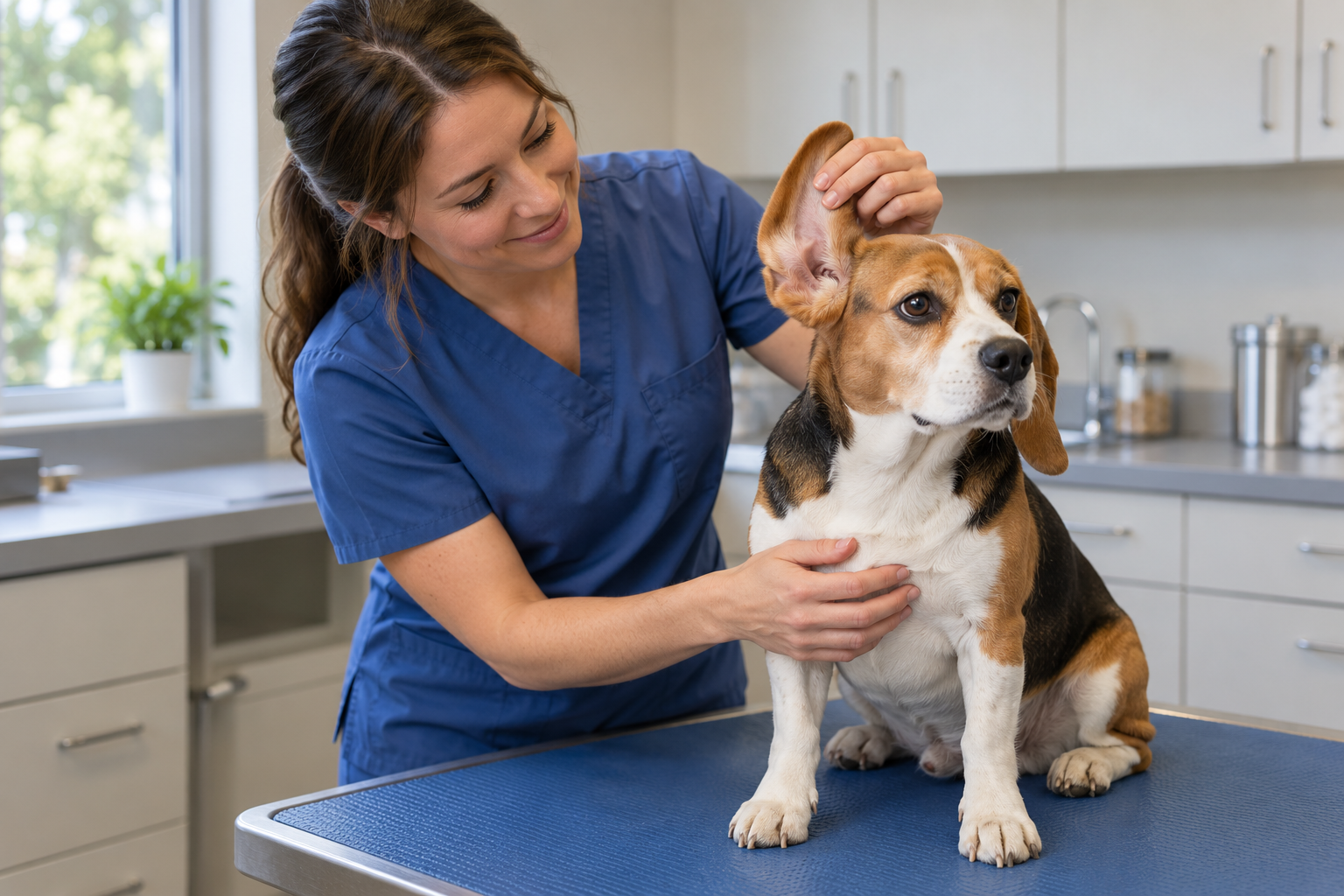
Veterinary clinician gently lifting a beagle’s ear flap during an ear examination.

When Should Your Dog Be Checked?

Schedule an exam if you notice repeated head shaking, scratching, redness, odor, discharge, pain, swelling, or sensitivity around the ears. A head tilt, balance changes, or significant pain warrants prompt veterinary attention.

At Olive Branch Pet Hospital, our focus is on addressing the immediate ear problem while looking for factors that may contribute to repeat flare-ups. Depending on your dog’s history and examination, longer-term management may involve routine ear care, allergy management for dogs, parasite prevention, or other veterinary recommendations tailored to your pet.

If your dog’s ear infections keep returning, schedule an exam with Olive Branch Pet Hospital in Pensacola to look beyond the current flare and develop a longer-term plan.

My Dog Is Limping: When It’s More Than a Minor Injury

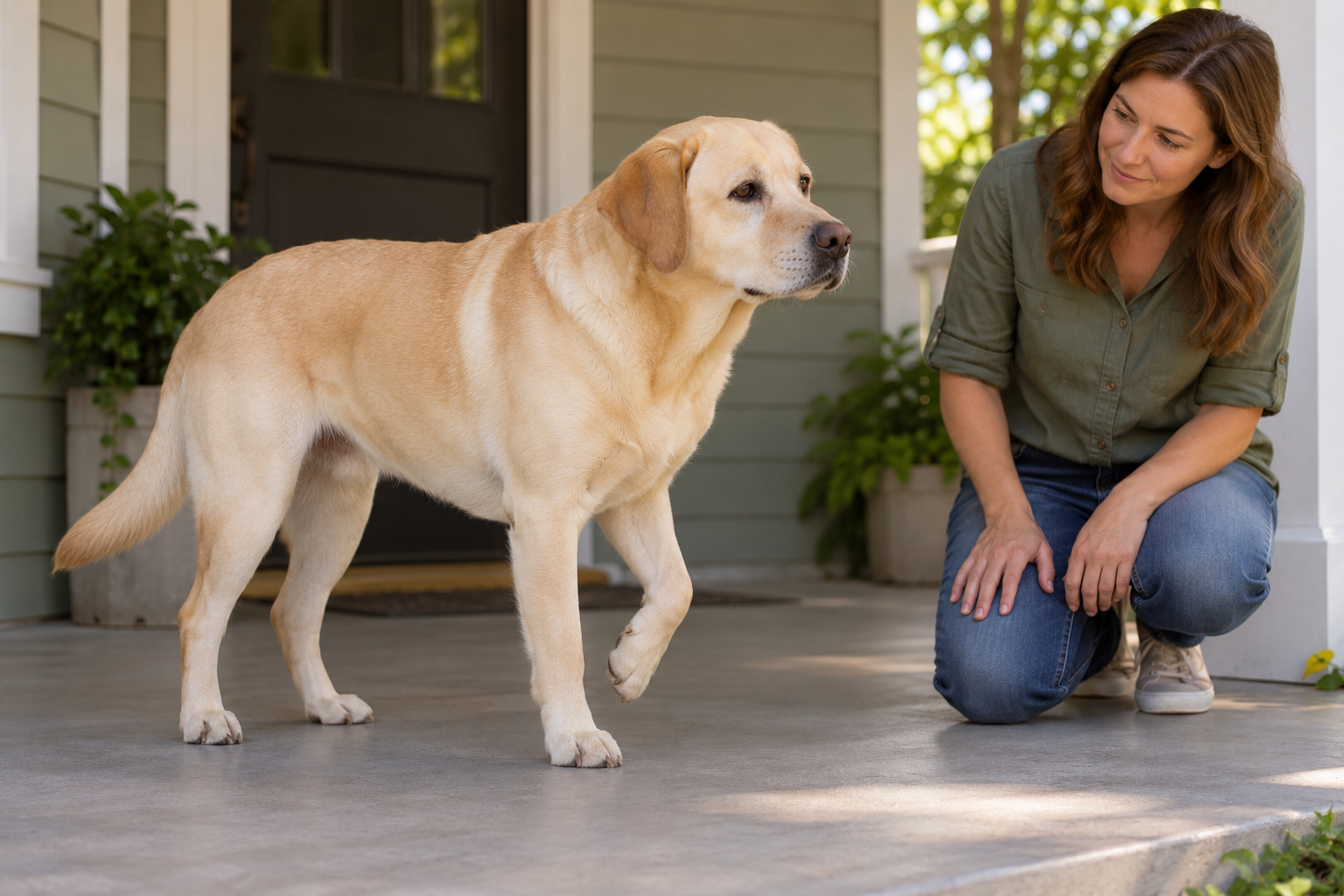
Owner observes a yellow Labrador standing on a shaded porch with one front paw slightly raised.

My Dog Is Limping: When It’s More Than a Minor Injury

A limp is a sign that something is interfering with the normal use of one or more limbs. Veterinarians call this lameness. It can originate in a paw, muscle, tendon, ligament, joint, bone, nerve, or even the spine. A mild limp that quickly resolves after activity may be minor, but limping that persists, worsens, returns, or keeps your dog from bearing weight deserves veterinary attention.

Why is my dog limping?

Some causes are easy to spot, such as a torn nail, injured paw pad, or a foreign object stuck between the toes. Others are deeper and cannot be identified at home. Sprains and muscle strains can cause sudden soreness, while orthopedic conditions—such as cranial cruciate ligament (CCL) disease, a luxating kneecap, arthritis, hip dysplasia, or a fracture—may also change the way a dog walks.

Age, breed, size, activity level, and whether the limp started suddenly or gradually can help narrow the possibilities. For example, an older pet that becomes sore after playing may have a different underlying problem than a dog suddenly limping on a back leg or front leg after a jump.

When should a limping dog see a veterinarian?

As a general rule, any mild limp that does not improve with rest warrants an examination. Dogs do not always cry or whine when they are hurting, so seemingly normal behavior does not rule out pain.

Prompt veterinary evaluation is highly recommended if your dog is not putting weight on a leg, appears significantly painful (such as trembling or panting), has noticeable swelling, or if the limp is worsening. Emergency care is especially important after major trauma, if there is an obvious fracture or deformity, or if your dog cannot stand or walk without assistance.

How does a veterinarian diagnose a limp?

A lameness evaluation usually begins with your dog’s history and observation of how they stand, walk, and move. The veterinarian will then examine the paws, limbs, joints, muscles, and spine to look for pain, swelling, reduced range of motion, or joint instability.

Depending on those findings, diagnostic imaging or other testing may be recommended. Olive Branch Pet Hospital in Pensacola offers in-house veterinary diagnostics for injured pets, including ultrasound.

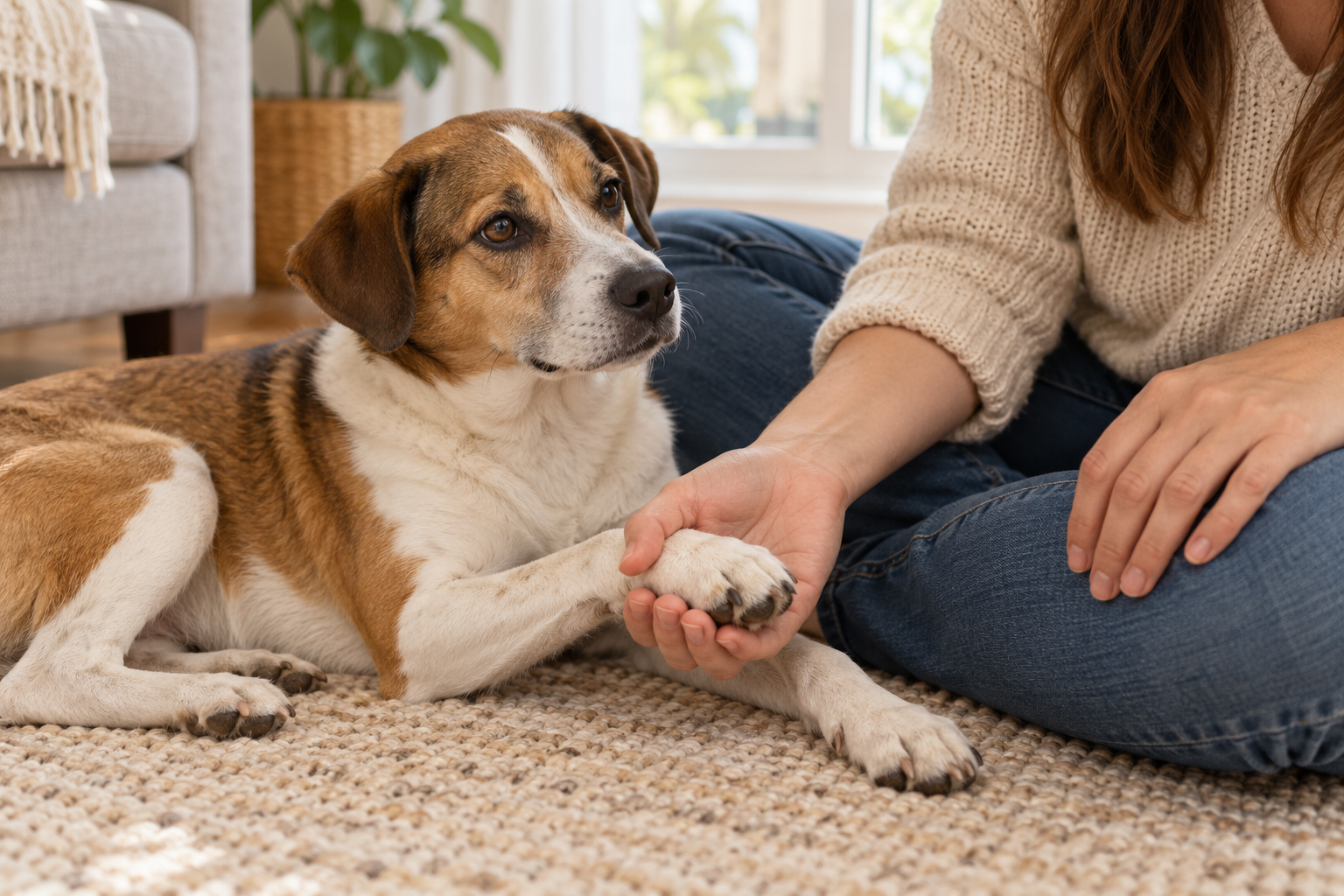
Owner gently cradles a resting brown-and-white dog's front paw.

What should I do while my dog is limping?

Until the cause is known, limit running, jumping, rough play, and strenuous activity. If your dog allows it safely, briefly check the paw pads, nails, and between the toes for an obvious superficial problem. Recording a short video of the limp can also be helpful, as some dogs may move normally at the veterinary hospital due to excitement or adrenaline.

Do not give your dog human pain relievers unless your veterinarian specifically instructs you to do so. Drugs such as ibuprofen, naproxen, aspirin, and acetaminophen can cause serious, life-threatening adverse effects in dogs.

Treatment always depends on the diagnosis. Some dogs may need strict rest and veterinarian-directed pain management, while others may benefit from laser therapy for pain and mobility, orthopedic treatment, or surgery. Olive Branch provides orthopedic surgery for pets requiring procedures such as fracture stabilization or joint repair.

If you are looking for a veterinarian for a limping dog, a proper examination can help identify the source of discomfort and determine the safest next step for recovery.

If your dog is limping, especially if the problem is persistent, painful, or worsening, schedule a veterinary examination with Olive Branch Pet Hospital in Pensacola to find out what is causing it and discuss the appropriate next step.

When Your Vet Recommends Endoscopy: What It Means

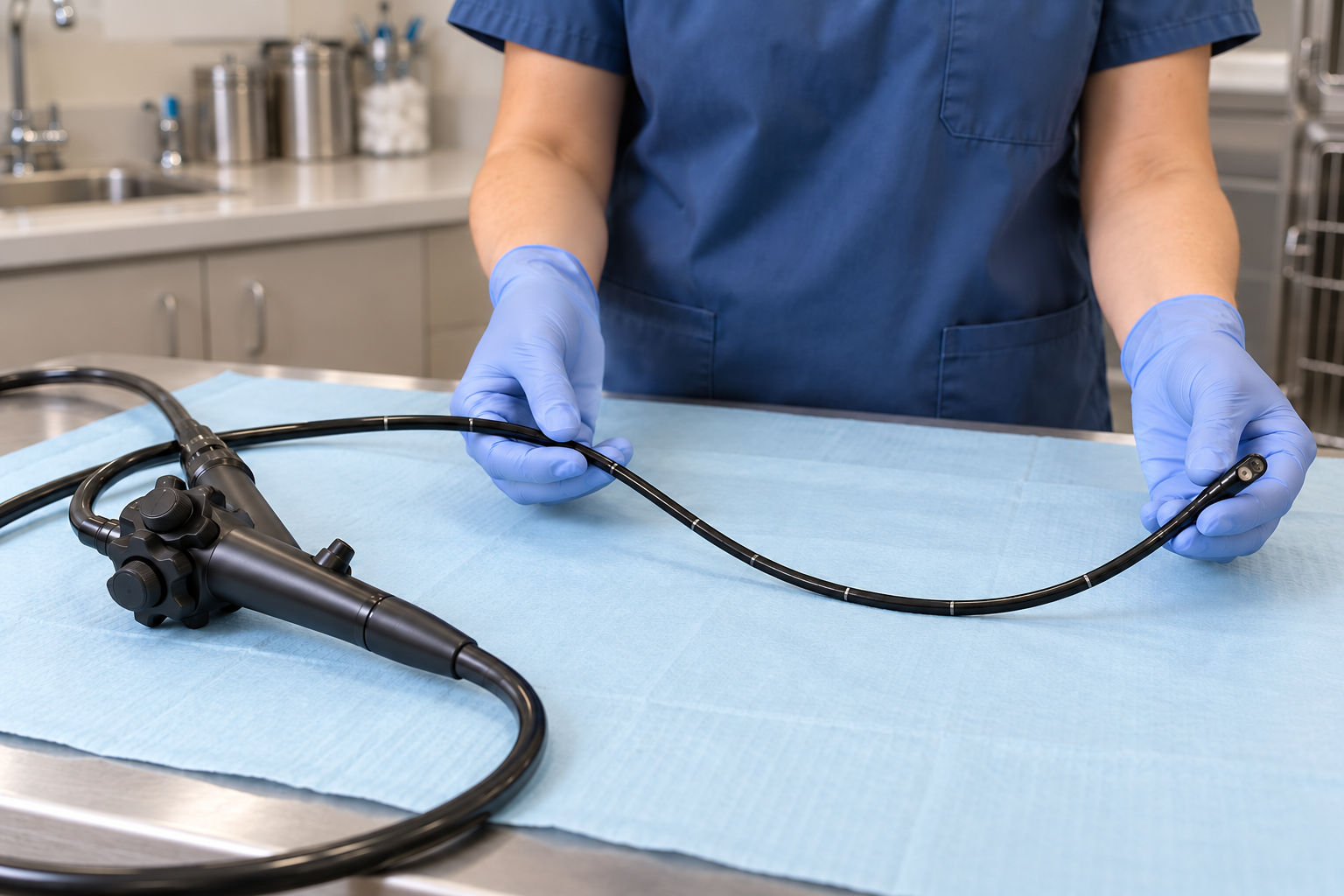
Gloved veterinary professional holding the flexible tube and camera tip of an endoscope.

When Your Vet Recommends Endoscopy: What It Means

Pet endoscopy is a minimally invasive diagnostic procedure that allows a veterinarian to examine the inside of your pet’s digestive tract. By passing a flexible tube with a small camera into the body, veterinarians can directly view areas such as the esophagus, stomach, upper small intestine, or colon. It also allows the veterinarian to collect tiny tissue samples (biopsies) and, in select cases, retrieve swallowed objects without open abdominal surgery. At Olive Branch Pet Hospital in Pensacola, endoscopy is one of the advanced diagnostic tools available for evaluating your pet’s digestive system.

Why Would a Dog or Cat Need Endoscopy?

Your veterinarian may recommend gastrointestinal endoscopy if your dog or cat experiences persistent or recurring digestive symptoms, such as:
  • Chronic vomiting or diarrhea
  • Unexplained weight loss
  • Reduced appetite or difficulty swallowing
  • Abdominal discomfort
Often, endoscopy is not the first diagnostic test performed. A physical examination, bloodwork, or an ultrasound typically helps determine whether looking directly inside the gastrointestinal tract is the logical next step.

What Can Endoscopy Find?

An endoscope provides a real-time view of the gastrointestinal lining. During the procedure, veterinarians look for:

  • Inflammation or abnormal swelling
  • Masses, tumors, or polyps
  • Scar tissue or narrowing (strictures)
  • Ulcers or erosions
  • Ingested foreign objects

One of the biggest advantages of veterinary endoscopy is the ability to take biopsies through the scope. These small tissue samples are evaluated under a microscope, which is crucial because many gastrointestinal diseases cause microscopic changes even when the surface tissue looks relatively normal to the naked eye.

If a foreign object is located in an accessible area—like the esophagus or stomach—it may sometimes be removed using tiny instruments passed through the endoscope. However, if the object has moved too far into the intestines or cannot be safely grasped, veterinary surgery may still be necessary.

Does Endoscopy Require Anesthesia?

Yes. For gastrointestinal endoscopy in dogs and cats, general anesthesia is required. This ensures the scope can be passed safely, keeping your pet completely still and pain-free so the veterinarian can perform a thorough examination.

Your veterinary team will likely recommend pre-anesthetic testing and provide specific fasting and preparation instructions based on your pet’s health. Endoscopy is considered minimally invasive because it reaches the digestive tract through natural openings rather than an abdominal incision. Still, it is a medical procedure with anesthesia-related and procedural risks, so the decision is always based on a careful assessment of your pet’s diagnostic needs.

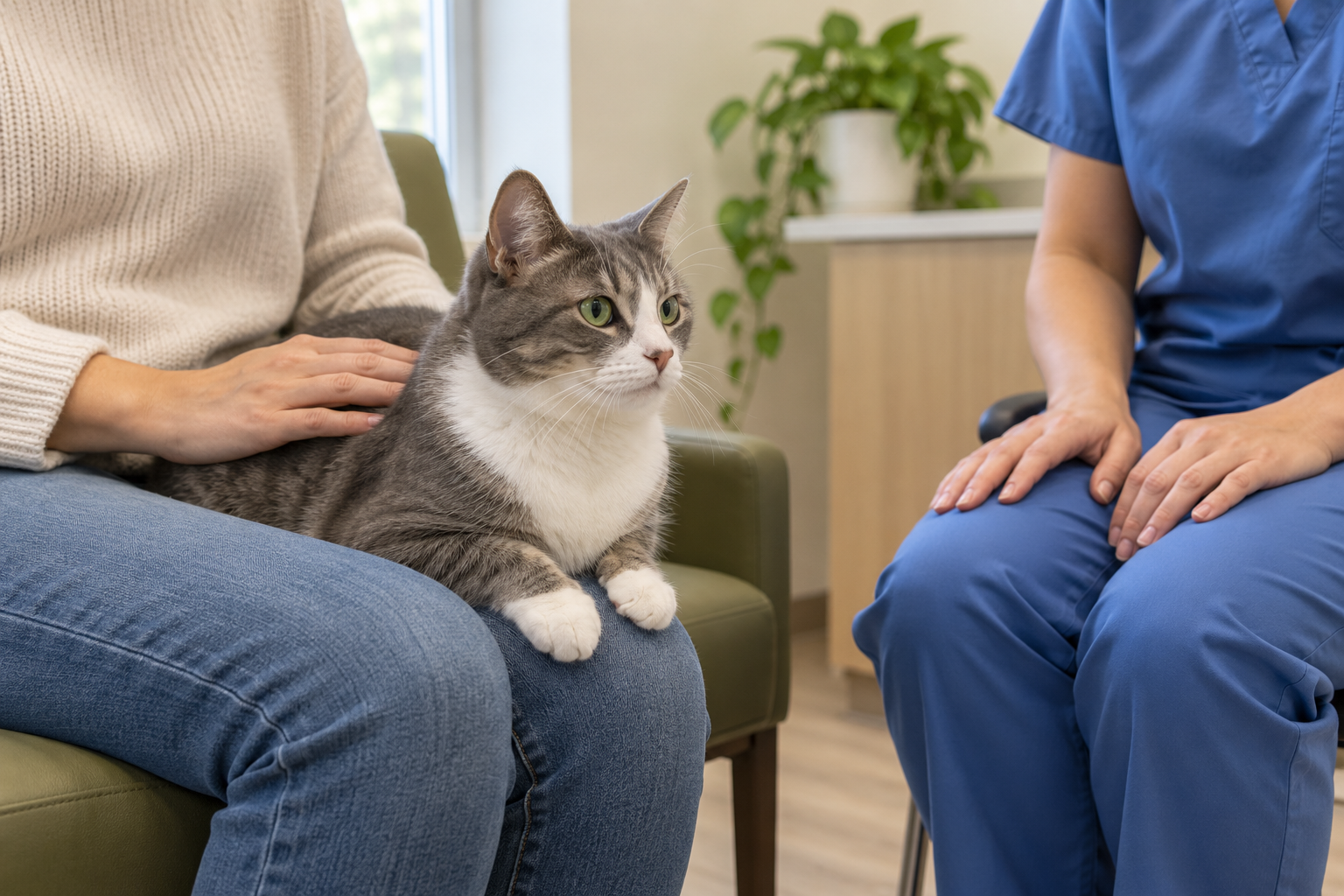
Gray-and-white cat sitting on its owner’s lap during a veterinary consultation.

What Happens After the Procedure?

While structural abnormalities or foreign objects are visible immediately during the procedure, biopsy results take additional time because the tissue must be sent to a laboratory for microscopic evaluation. Your veterinarian will use those results, along with the rest of your pet’s diagnostic workup, to create a targeted treatment plan.

If your pet has persistent digestive symptoms or endoscopy has been recommended, contact Olive Branch Pet Hospital in Pensacola to discuss the appropriate next diagnostic step.

When Is a Dog Cough Not Kennel Cough? When to See a Vet

Pet owner holding a phone toward a beagle standing beside a sofa at home.

When Is a Dog Cough Not Kennel Cough? When to See a Vet

If you are wondering when a dog cough is not kennel cough, the answer often lies in their other symptoms, medical history, and how the cough sounds. While a dry, honking cough after being around other dogs often points to kennel cough—also known as canine infectious respiratory disease complex (CIRDC)—a cough can also indicate pneumonia, tracheal collapse, heartworm disease, or heart conditions. Because the sound alone cannot confirm the cause, a veterinary evaluation is essential.

What Are the Symptoms of Kennel Cough?

Classic kennel cough typically starts suddenly after recent exposure to other dogs at a park, grooming salon, or during boarding and daycare. The cough is usually dry, harsh, or “honking” and may end with gagging or retching.

CIRDC is not a single infection; it can involve various viruses and bacteria. Despite the dramatic cough, many dogs with uncomplicated kennel cough remain bright, active, and interested in food. However, puppies, senior dogs, and dogs with underlying health conditions are more vulnerable to complications like pneumonia.

When Is a Dog Cough Not Kennel Cough?

A persistent or moist cough, or coughing with other signs of illness, may signal complications of kennel cough or another condition. A dog’s cough can originate in the throat, windpipe, or lungs, or be associated with cardiovascular disease. Chronic bronchitis and tracheal collapse can cause repeated, long-term coughing, while pneumonia usually brings a cough alongside a fever, poor appetite, or breathing changes.

In Pensacola, heartworm disease must also be considered. Transmitted by mosquitoes, heartworms damage the lungs and cardiovascular system. A mild, persistent cough may be a sign, although early infection often causes no symptoms. Olive Branch Pet Hospital strongly recommends year-round prevention for Florida pets to avoid this dangerous disease.

When to See a Vet for a Dog’s Cough

Call your veterinarian promptly if your dog’s cough is persistent, worsening, or accompanied by exercise intolerance, thick nasal discharge, a moist cough, lethargy, fever, or reduced appetite. Seek immediate emergency veterinary care for:

  • Labored breathing, or rapid or open-mouth breathing at rest that is not normal panting
  • Blue or gray gums
  • Severe weakness, fainting, or collapse
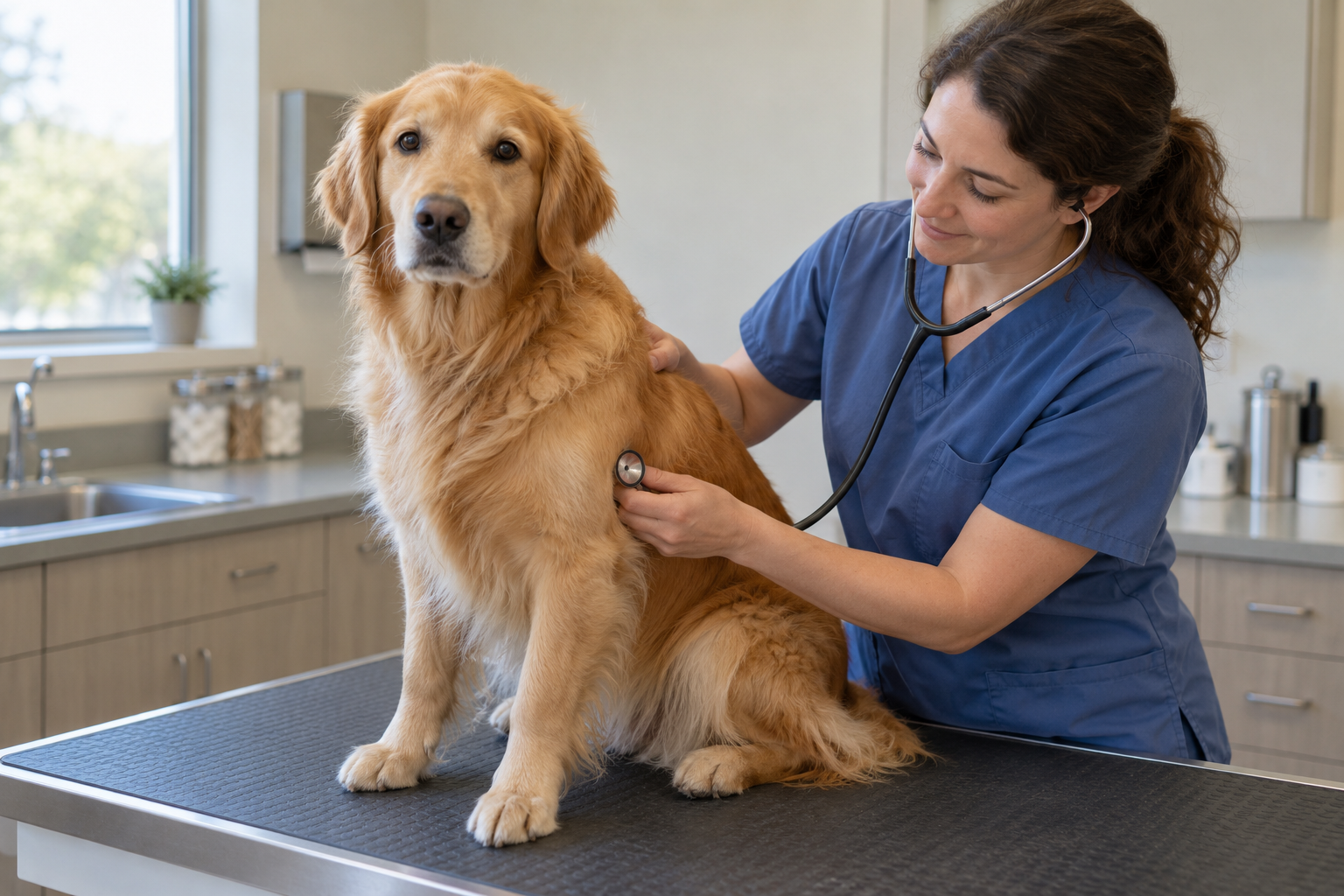
Veterinarian listening to a golden retriever’s chest with a stethoscope during an exam.

How Do Veterinarians Diagnose a Dog's Cough?

The first step is a comprehensive physical exam and a careful review of your pet’s history. Your vet will ask when the cough started, what it sounds like, recent dog-to-dog exposure, your pet’s vaccination status, and their heartworm prevention record.

Depending on the exam findings, further testing may be necessary. Blood chemistry panels help assess overall health, while chest X-rays evaluate the lungs and airways. Olive Branch Pet Hospital offers comprehensive in-house diagnostics, including blood chemistry, EKG to assess the heart’s electrical activity, and ultrasound to evaluate internal organs. Testing is selected according to your pet’s symptoms and examination findings.

A cough is a symptom, not a diagnosis. If your dog has a persistent, worsening, or unusual cough, schedule a veterinary exam with Olive Branch Pet Hospital in Pensacola to help identify the cause and determine the right next step.

Heart Murmur in Dogs: What an EKG Actually Tells You

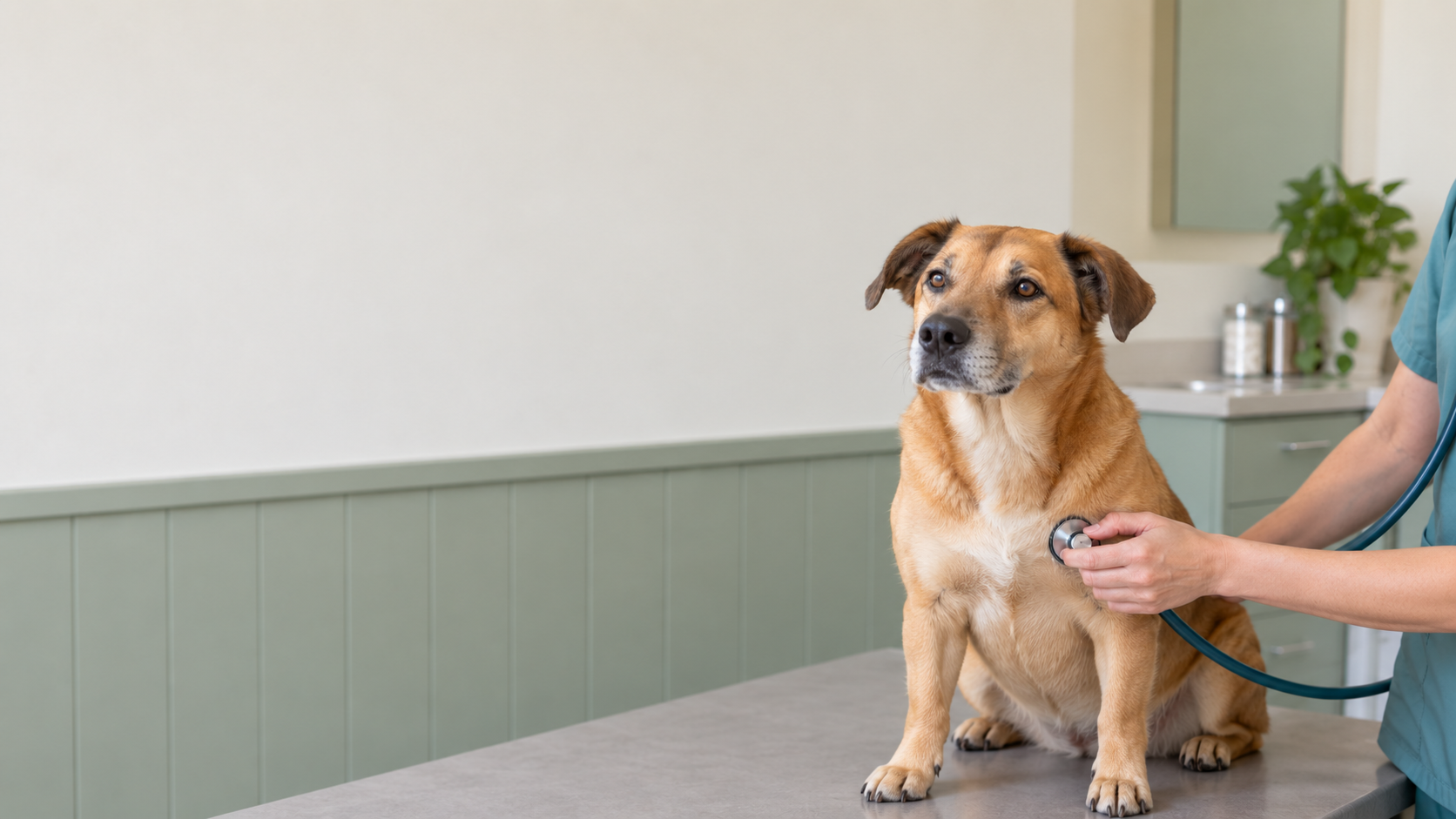
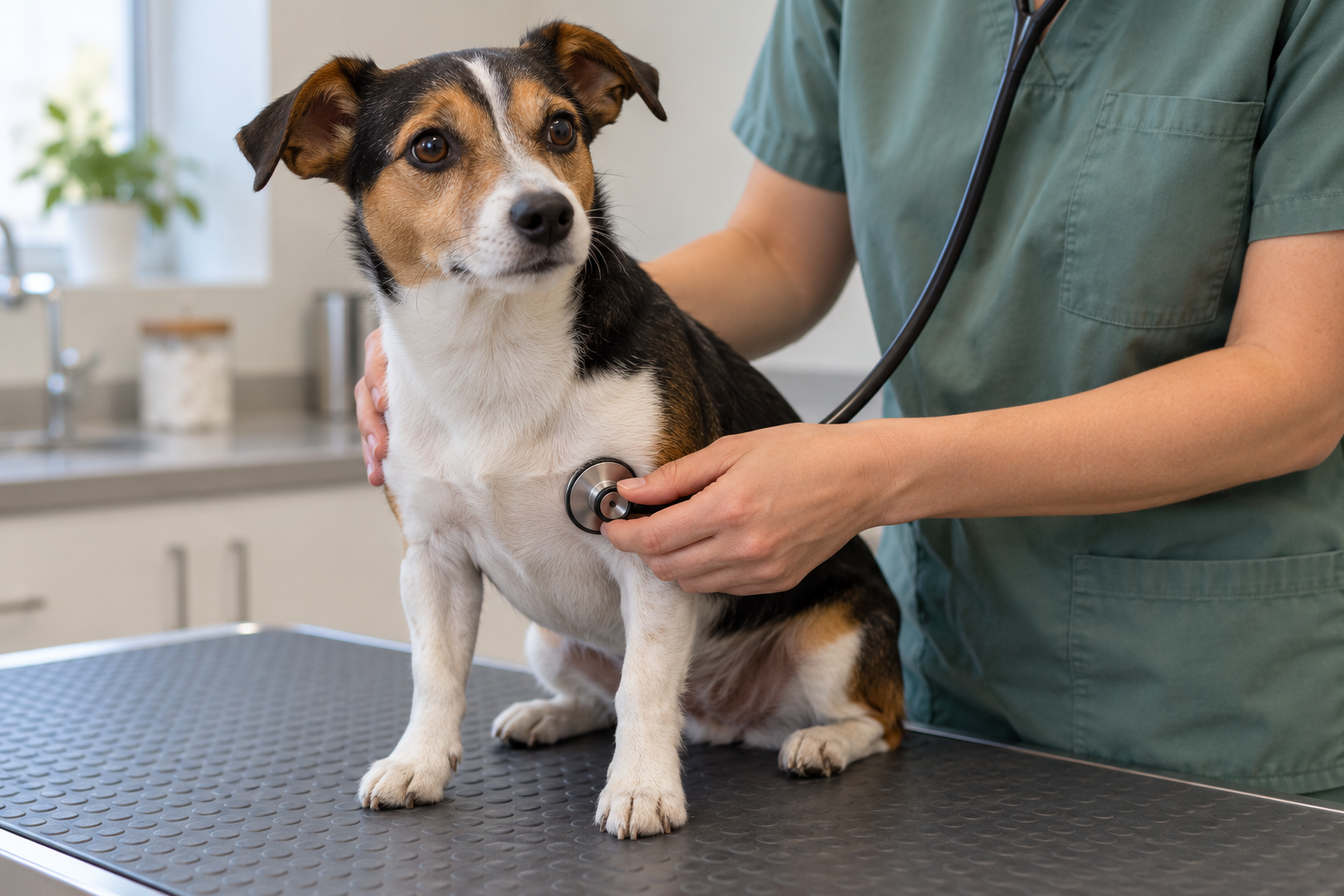
Tricolor terrier sitting on an exam table while a veterinary professional listens to its chest.

Heart Murmur in Dogs: What an EKG Actually Tells You

A heart murmur in a dog means your veterinarian hears turbulent blood flow through or near the heart using a stethoscope. It is a sound, not a specific disease. When a murmur is detected, pet owners often wonder if an EKG (electrocardiogram) is the next step.

An EKG answers a very specific question: Is the dog’s heart producing a normal electrical rate and rhythm?

That distinction is critical. A dog can have a loud heart murmur with a perfectly normal EKG. Conversely, a dog can have an abnormal EKG without any audible heart murmur. Because a normal EKG does not rule out structural heart disease, understanding what this diagnostic test actually does—and doesn’t do—can help you make informed decisions about your pet’s cardiac health.

What Does an EKG Show in a Dog?

An EKG is a noninvasive veterinary diagnostic test that records the electrical signals triggering each heartbeat. By placing small electrodes on the dog’s body, the machine generates a tracing of the heart’s electrical activity.

This test is excellent at identifying canine arrhythmias (abnormal rhythms). An EKG can detect:

  • Heart rates that are abnormally fast (tachycardia) or too slow (bradycardia).
  • Premature beats and skipped beats.
  • Electrical conduction blocks.

This tool is incredibly useful if a veterinarian hears an irregular rhythm during a routine wellness exam, or if a dog presents with symptoms like sudden weakness, fainting (syncope), exercise intolerance, or episodes of collapse.


Can an EKG Diagnose the Cause of a Heart Murmur?

Usually, an EKG cannot diagnose the cause of a murmur by itself. A heart murmur may reflect a leaky heart valve or a congenital defect, but some murmurs occur without structural heart disease.

An EKG evaluates electrical conduction, not physical structure. It does not take a picture of the heart, measure how a valve is moving, or show blood flow. To investigate the cause of a heart murmur, your veterinarian may recommend an echocardiogram (a heart ultrasound) to look inside the heart. Chest X-rays may also help evaluate heart size and check for fluid in the lungs.

Does Every Dog With a Heart Murmur Need an EKG?

Not necessarily. The appropriate diagnostic workup depends on the individual dog’s symptoms, age, breed, examination findings, and the grade (loudness) of the murmur.

For example, some low-grade murmurs are discovered during routine wellness exams in dogs that feel completely fine. In these cases, your vet might recommend baseline imaging or simply close monitoring. However, if the murmur occurs alongside coughing, labored breathing, or fainting episodes, further veterinary evaluation is needed. If an abnormal rhythm is heard or suspected, an EKG helps identify rhythm disturbances.

Black-and-white spaniel sitting beside its owner during a veterinary consultation.

When to Seek Veterinary Care

If your dog has a newly detected heart murmur, it is important to follow your veterinarian’s recommended diagnostic and monitoring plan. Seek prompt emergency veterinary attention if your dog experiences fainting, collapse, a bluish tint to the gums, severe coughing, or sudden difficulty breathing.

At Olive Branch Pet Hospital in Pensacola, we provide comprehensive in-house veterinary diagnostic services, including bloodwork, ultrasound, and EKG testing. Our experienced team can evaluate your dog’s heart health and recommend the most effective steps for their specific needs.

If your dog has a new heart murmur, an irregular heartbeat, or is showing signs of fatigue, schedule an appointment with Olive Branch Pet Hospital in Pensacola to determine whether an EKG or additional diagnostics are appropriate.