
Dog Vomiting After the Beach: When It’s Serious

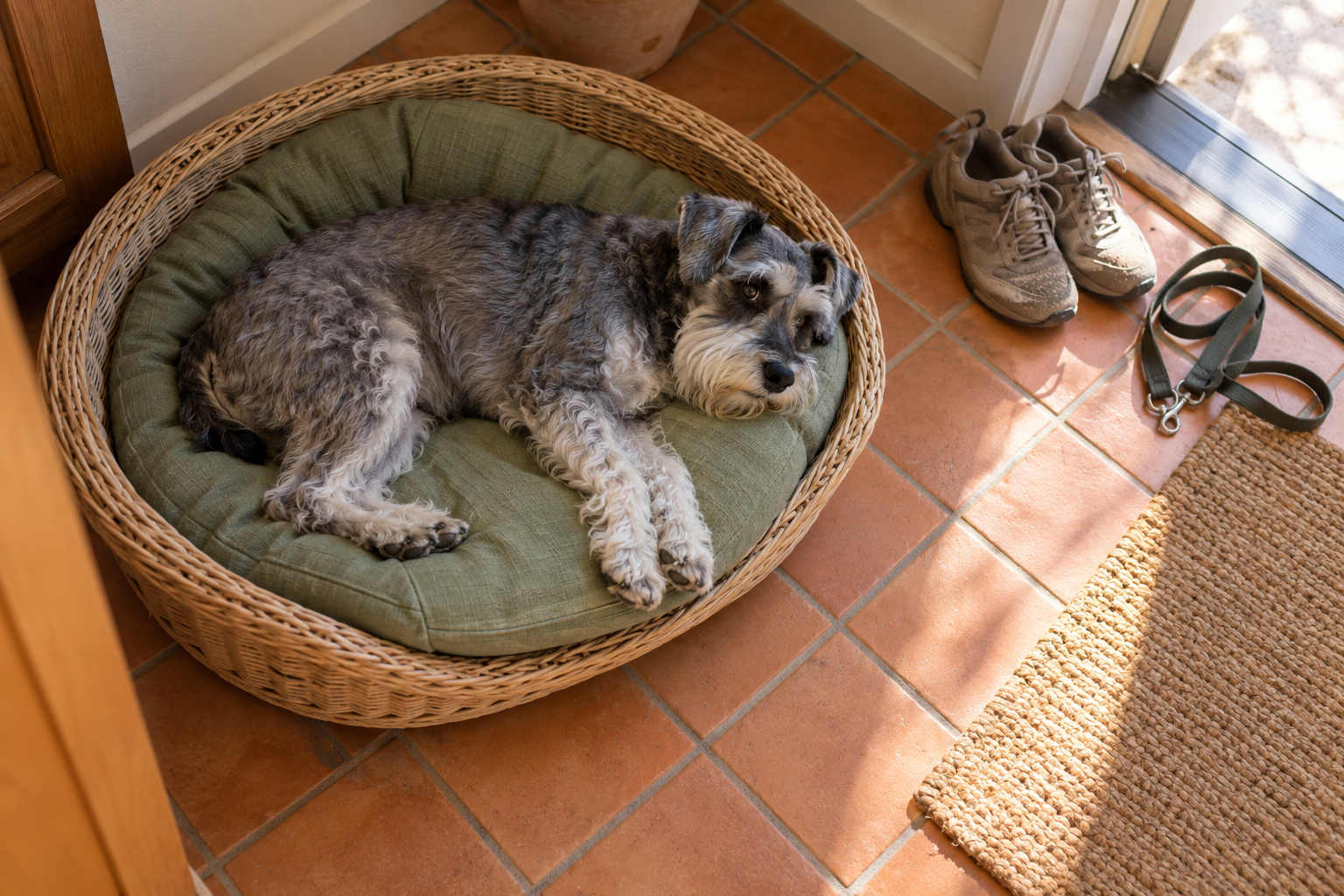
Salt-and-pepper schnauzer resting in a woven dog bed near sandy shoes and a leash.

Dog Vomiting After the Beach: When It’s Serious

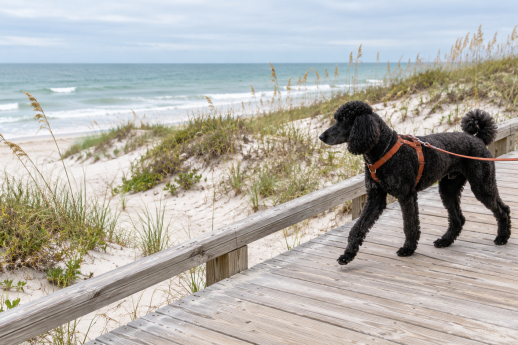
A beach day can end with a tired, sandy dog and, sometimes, an upset stomach. If your dog vomits after a trip to the beach, the most important questions are how often it is happening, what your dog may have swallowed, and whether any other symptoms are developing.

One isolated episode of vomiting in an otherwise bright, comfortable adult dog may be something you can closely monitor at home, provided there is no suspected toxin or foreign-object ingestion or heat-related illness. However, repeated vomiting, unusual behavior, or trouble keeping water down deserves prompt veterinary attention.

Why Would a Dog Vomit After Going to the Beach?

Several hazards common to the Gulf Coast can cause gastrointestinal distress in dogs:

  • Saltwater Ingestion: Swallowing seawater while swimming or playing in the surf can cause stomach upset. While small amounts may cause minor irritation, larger amounts can raise sodium levels in the blood, leading to salt toxicosis (hypernatremia). Dogs with significant salt exposure may develop vomiting, diarrhea, weakness, poor coordination, tremors, or seizures.
  • Sand Ingestion: Dogs can accidentally swallow sand while digging, carrying sandy toys, or repeatedly licking their muzzle. Enough sand or beach debris can irritate the digestive tract or contribute to an intestinal blockage; a buildup of sand is called sand impaction. Vomiting accompanied by abdominal pain, loss of appetite, lethargy, or straining to pass stool should not be ignored.
  • Heat-Related Illness: Pensacola’s heat and humidity add another layer of concern. Vomiting can be a sign of heat-related illness, including heatstroke, especially when accompanied by heavy panting, excessive drooling, weakness, red or dark gums, difficulty breathing, or collapse.
  • Red Tide Exposure: Florida beachgoers must be cautious during red tide events. The Florida Fish and Wildlife Conservation Commission advises keeping pets away from dead fish and accumulated foam during a bloom, as swallowed brevetoxins can cause neurological and gastrointestinal illness. Breathing in aerosolized toxins can also cause respiratory irritation.

When Is Vomiting After the Beach an Emergency?

Seek veterinary care immediately if your dog experiences any of the following warning signs:

  • Repeated vomiting or inability to keep water down
  • Blood in the vomit or stool
  • Marked lethargy, weakness, or collapse
  • A swollen, hard, or painful abdomen
  • Disorientation, tremors, or seizures
  • Difficulty breathing
  • Suspected ingestion of a toxin, dead fish, or foreign object

Note: Contact your veterinarian sooner for puppies and senior dogs.
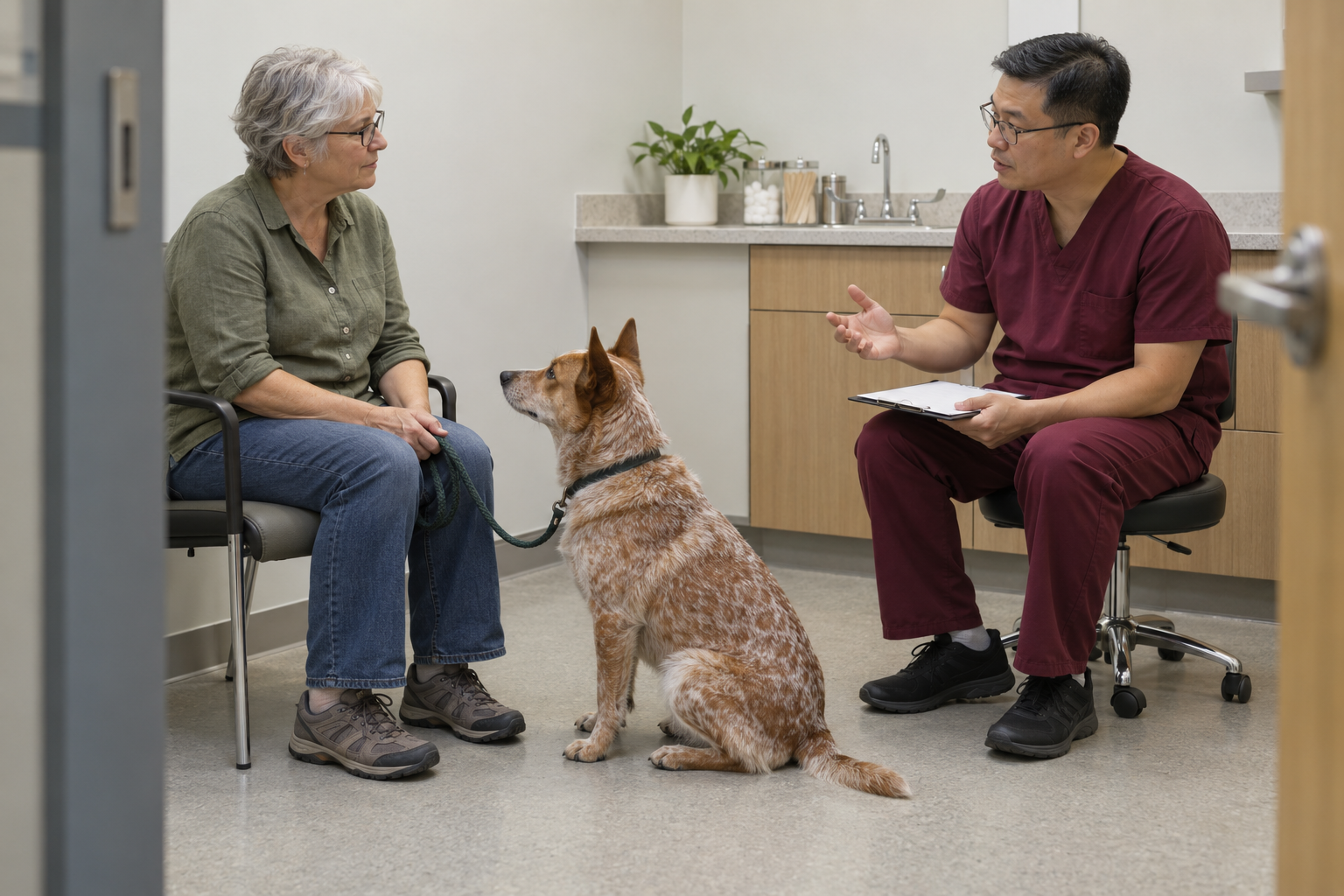
Owner discussing her cattle dog’s history with a veterinarian during a seated consultation.

How Can a Veterinarian Find the Cause?

Because vomiting is a symptom rather than a specific diagnosis, a physical examination and a careful history of what happened at the beach will guide the next steps. Depending on these findings, diagnostic testing may be needed to evaluate your dog’s hydration, electrolyte balance, organ function, or to check for a possible intestinal obstruction.

Olive Branch Pet Hospital in Pensacola offers comprehensive diagnostic services, including blood chemistry, urinalysis, ultrasound, and endoscopy. The specific tests recommended will be tailored to your dog based on their physical examination and current symptoms.

If your dog is vomiting after a Pensacola beach trip, especially if it happens repeatedly or comes with other warning signs, call Olive Branch Pet Hospital during office hours for a thorough veterinary evaluation. For an after-hours emergency, call VERC at (850) 477-3914.
Is Anesthesia Safe for Older Pets? A Real Risk Breakdown

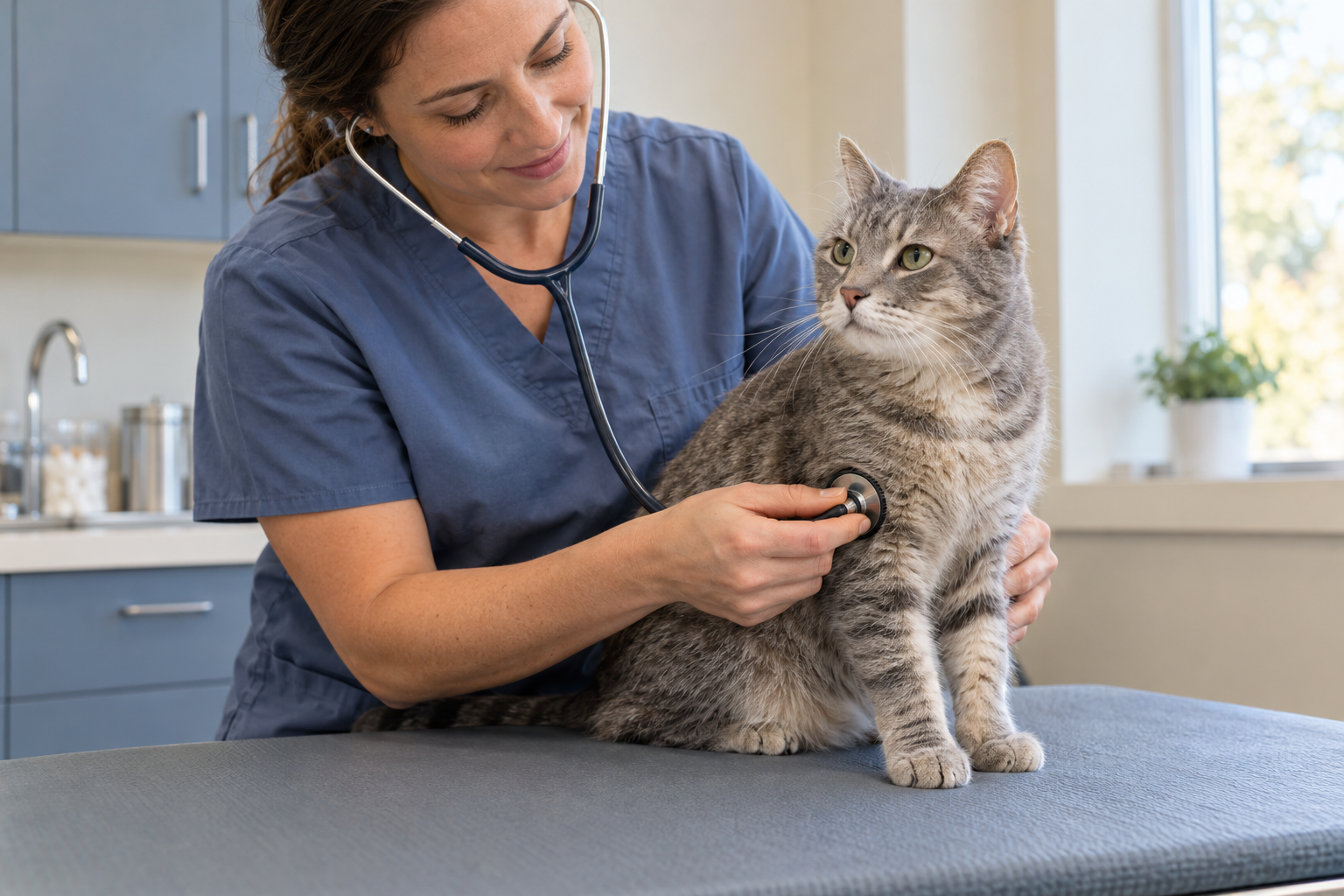
Veterinary clinician listening to a gray tabby cat’s chest with a stethoscope during an examination.

Is Anesthesia Safe for Older Pets? A Real Risk Breakdown

If your dog or cat is getting older, it is normal to worry when a dental cleaning, surgery, or diagnostic procedure requires anesthesia. A common question is, “Is anesthesia safe for older pets?” The reassuring answer is that anesthesia can be safe for senior pets when the veterinary team evaluates the individual patient, identifies health concerns beforehand, and adjusts the plan accordingly. Advanced age alone is not considered a reason to avoid general anesthesia.

What Actually Makes Anesthesia Riskier in an Older Pet?

Age matters because senior pets are more likely to have changes involving the heart, kidneys, liver, lungs, or other body systems. But the number of birthdays your pet has had is not the most important factor when evaluating senior dog anesthesia risks or senior cat anesthesia. A healthy 12-year-old dog may have a different anesthetic risk than a younger pet with significant heart, kidney, or respiratory disease. Veterinarians look at the whole patient during a pre-anesthetic evaluation: medical history, physical exam findings, current medications, previous anesthetic experiences, and the type and length of procedure being considered. A routine wellness exam can help establish a health baseline. If something raises concern, the safest choice may be to modify the anesthetic plan, investigate further, or postpone an elective procedure until the issue is better understood.

Why Is Pre-Anesthetic Bloodwork Important for Senior Pets?

Pre-anesthetic diagnostics, including pre-anesthetic bloodwork, can reveal problems that are not obvious from how a pet looks or acts. Blood chemistry can provide information about organ function, while other testing may be recommended based on the pet’s exam and history.

At Olive Branch Pet Hospital in Pensacola, patients are evaluated with a comprehensive physical examination and lab work before surgery and general anesthesia. Olive Branch also offers diagnostic services including blood chemistry, urinalysis, EKG, ultrasound, and endoscopy when clinically appropriate to further evaluate senior pets.

How Is Anesthetic Risk Reduced During a Procedure?

There is no such thing as zero-risk anesthesia. The goal when providing anesthesia for older dogs and cats is to reduce avoidable risk by tailoring medications and supportive care to the patient, monitoring vital functions throughout the procedure, and watching the pet closely during recovery. Veterinary anesthesia guidelines recommend using monitoring equipment and hands-on assessment to track heart rate, blood pressure, oxygen levels, and body temperature during the procedure. This real-time information helps the team recognize problems and make adjustments to support the pet’s stability. Veterinary anesthesia guidelines emphasize that safety begins before anesthesia and continues through recovery.

For dental care, pet dental anesthesia is especially important because it allows for a thorough oral examination, dental radiographs, and treatment that cannot be safely or effectively performed on an awake pet.

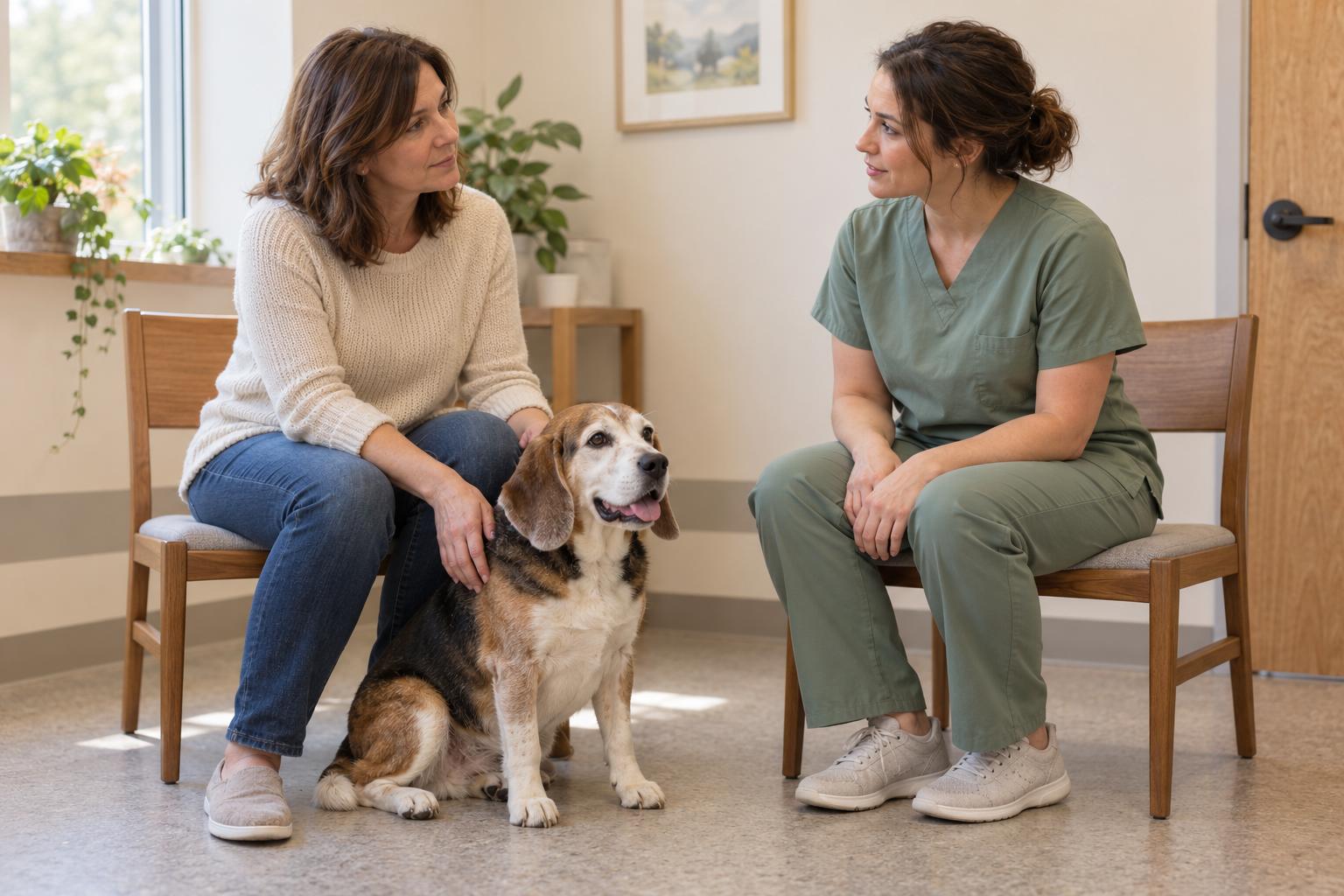
Owner and veterinary clinician discussing care while a senior beagle sits beside them.

Should Age Alone Stop You From Approving Dentistry or Surgery?

Usually, no. Delaying a needed procedure solely because a pet is older can allow painful dental disease or another treatable problem to progress. The better question is not, “Is my pet too old for anesthesia?” but, “What is my pet’s individual risk, and how can we reduce it?”

Schedule an exam with Olive Branch Pet Hospital in Pensacola to discuss your senior pet’s individual anesthesia risk and the safest plan for needed pet dentistry in Pensacola or veterinary surgery in Pensacola.

Dog Heatstroke in Pensacola: When It Becomes an Emergency

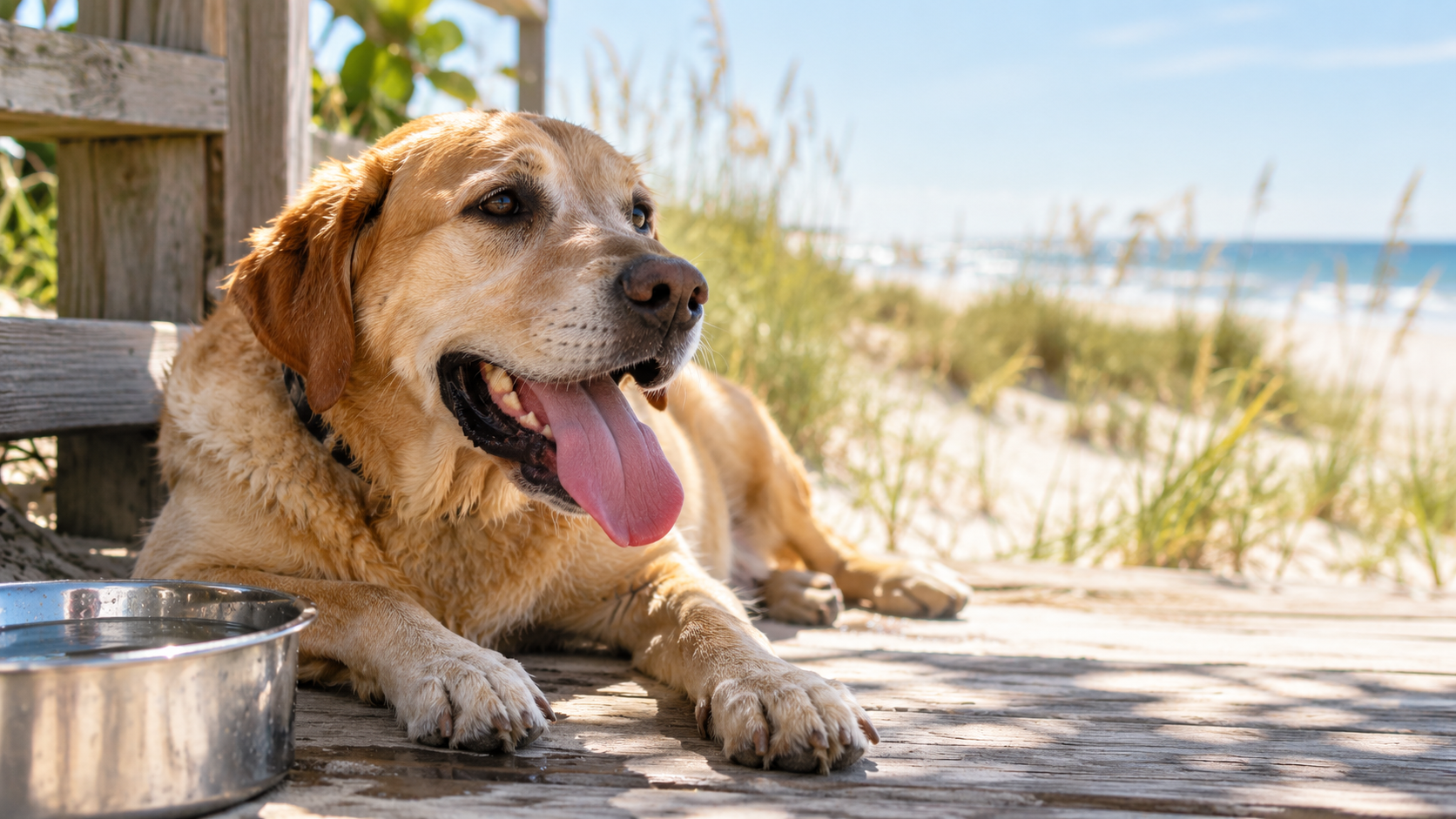
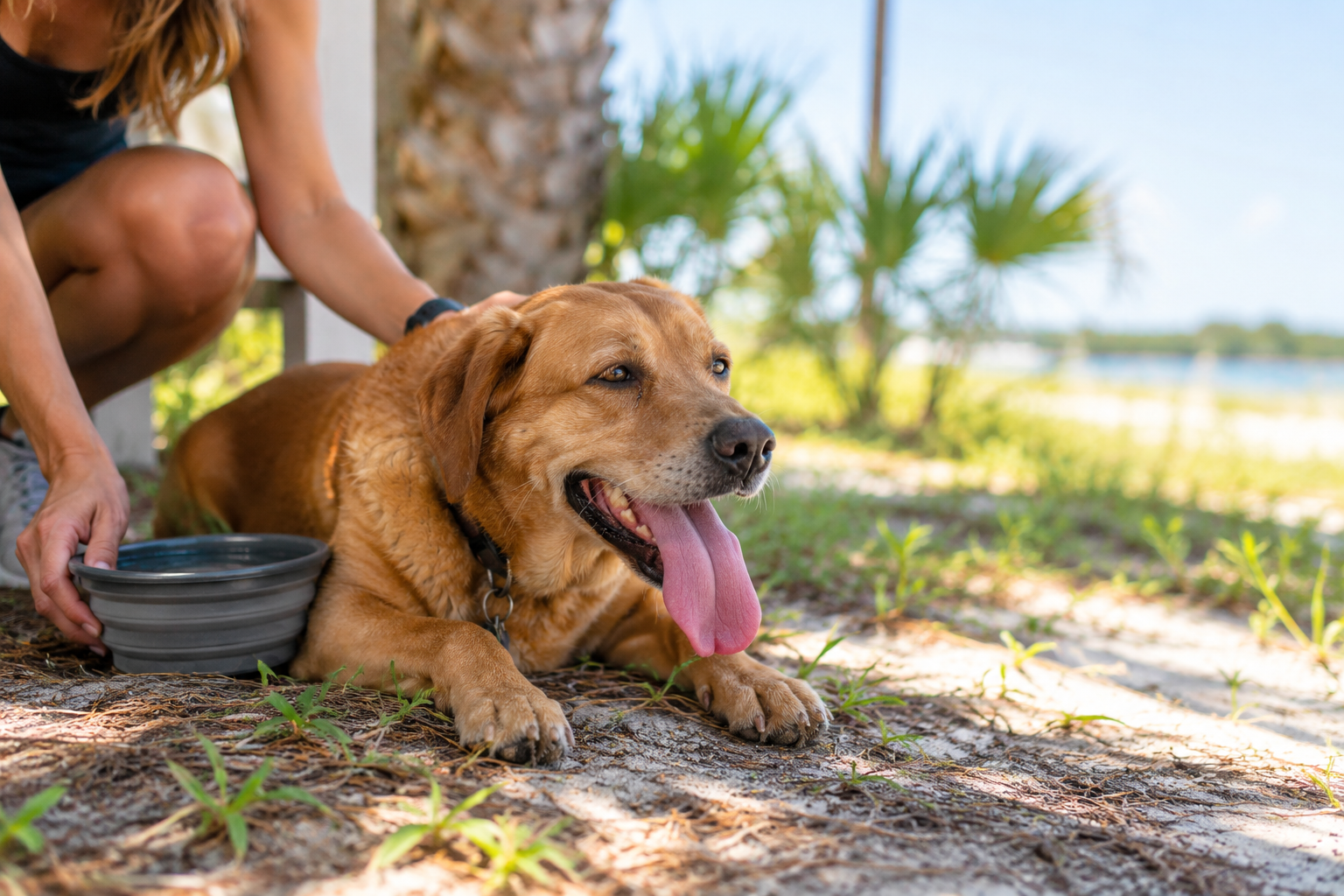
Overheated dog resting in the shade while being offered water

Dog Heatstroke in Pensacola: When It Becomes an Emergency

Pensacola’s hot, humid weather can put dogs at risk for heat-related illnesses faster than many pet owners expect. Heatstroke is more than simply “getting too hot.” It happens when a dog’s body temperature rises to a dangerous level and they can no longer cool themselves effectively.

Because dogs rely primarily on panting rather than sweating to regulate their body temperature, high heat, intense humidity, strenuous activity, poor ventilation, or a lack of shade can rapidly overwhelm their natural cooling system.

When Is Dog Heatstroke an Emergency?

Early dog overheating symptoms include heavy panting, excessive drooling, seeking shade, slowing down, or refusing to continue playing. If you notice these signs, move your dog to an air-conditioned or shaded area immediately and stop all activity.

Heatstroke should always be treated as a life-threatening veterinary emergency. Signs of heatstroke in dogs include:

  • Persistent or extreme panting
  • Difficulty breathing
  • Weakness, stumbling, or collapse
  • Confusion or unresponsiveness
  • Vomiting or diarrhea
  • Abnormal gum color (bright red, pale, or blue)
  • Seizures or loss of consciousness

Heatstroke can rapidly damage a dog’s kidneys, gastrointestinal tract, brain, and blood-clotting system. Because these internal complications can continue to develop after the initial event, a dog still needs a thorough veterinary evaluation even if they seem perfectly fine after cooling down.

How to Cool an Overheated Dog Safely

If you suspect your pet is suffering from heatstroke, immediate action is required:

  1. Get out of the heat: Move your dog indoors or into the shade immediately.

  2. Contact a veterinarian: Call for professional medical guidance right away.

  3. Begin gentle cooling: Apply cool (not cold) or room-temperature water to their paws, belly, and armpits. Keep air moving over them using a fan or air conditioning to encourage evaporation.

  4. Offer water safely: If your dog is alert and able to swallow normally, offer small amounts of cool drinking water. Do not force them to drink.

What NOT to do: Do not use an ice bath or very cold water. Extreme cold causes surface blood vessels to constrict, which paradoxically traps heat inside the body’s core. Additionally, do not tightly wrap your dog in wet towels. While loosely placing a damp cloth under the armpits or on the belly is helpful, wrapping them tightly traps heat and prevents crucial evaporation.

Which Dogs Are at Higher Risk?

Any dog can develop dog heatstroke in Pensacola, but the risk is significantly higher for certain pets:

  • Short-nosed (brachycephalic) breeds like Bulldogs, Frenchies, and Pugs
  • Senior dogs and puppies
  • Overweight dogs
  • Thick-coated breeds
  • Dogs with pre-existing heart or breathing conditions
  •  

Pensacola Veterinary Care for Heatstroke


At Olive Branch Pet Hospital, our team evaluates sick and injured pets and offers in-house veterinary diagnostics, including blood chemistry and urinalysis. These tests help our veterinarians assess internal organ function and determine if heat exposure has caused hidden complications.

When seeking emergency veterinary care during office hours, please call before arriving if you believe your dog is in a crisis. Olive Branch directs all after-hours emergencies to the Pensacola Emergency and Referral Center.

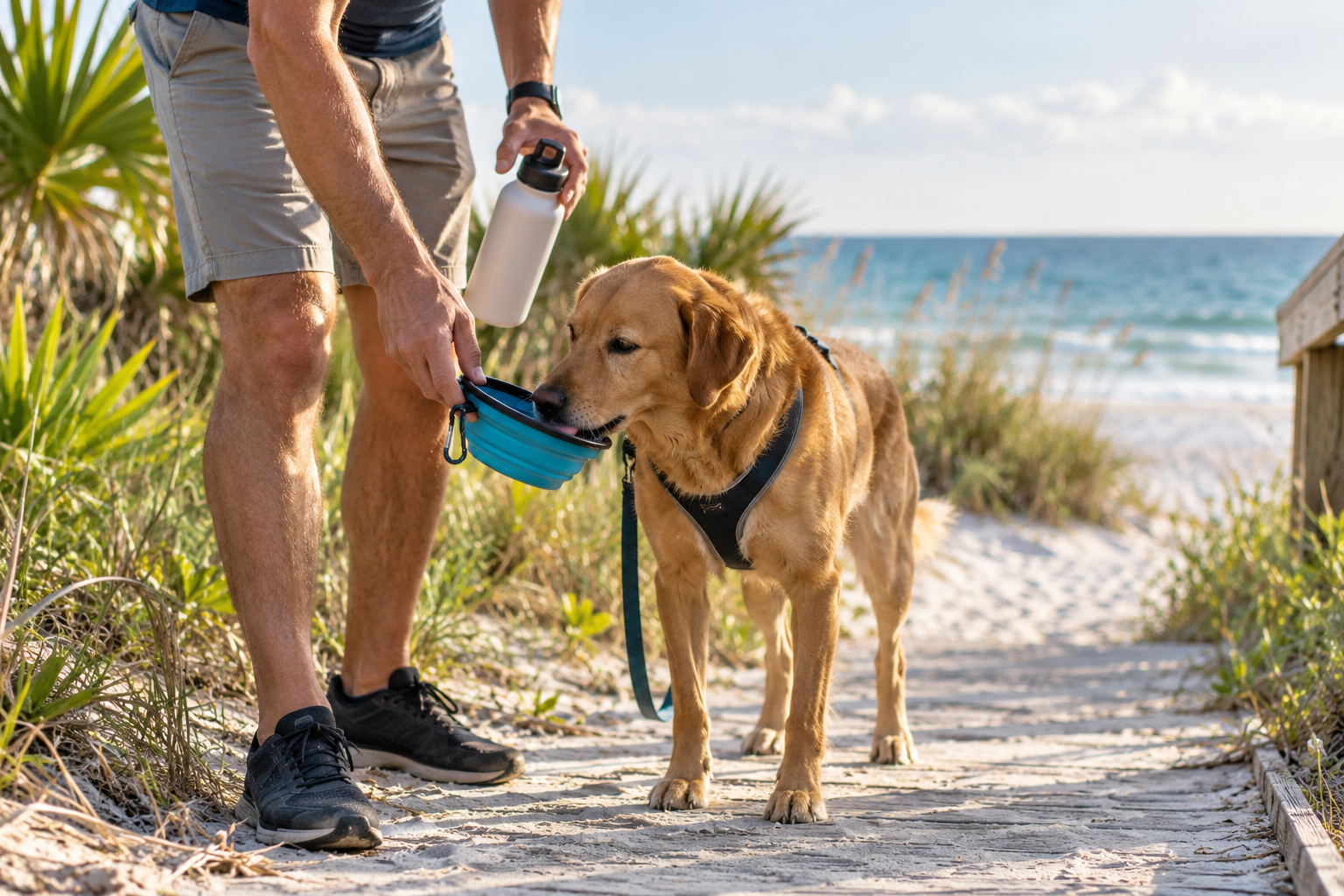
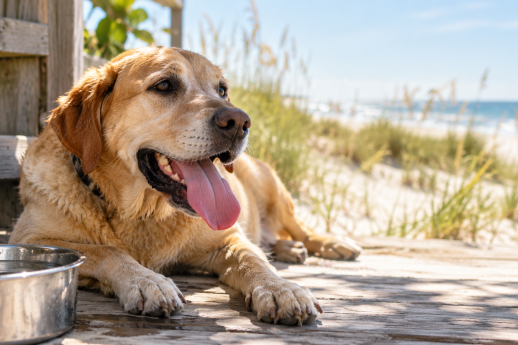
Dog drinking water during a beach walk in Pensacola

Prevention Tips for Pensacola Pet Owners

Prevention means scheduling walks and outdoor play for the cooler early morning or late evening hours. Provide constant access to fresh water and deep shade, take frequent rest breaks, and never leave a dog unattended in a parked vehicle. For more comprehensive advice, review our summer safety tips for pets in Pensacola.

If your dog is showing concerning signs after heat exposure, do not wait for symptoms to become severe. During office hours, call Olive Branch Pet Hospital before arriving; after hours, contact the Pensacola Emergency and Referral Center.

Common Household Items That Can Be Dangerous for Your Pet

common-household-items-that-can-be-dangerous-for-your-pet-strip1

Common Household Items That Can Be Dangerous for Your Pet

As a pet parent, it’s your responsibility to provide a safe living environment for your pet, and this means taking steps to pet-proof your home and yard to make sure there aren’t any dangers accessible to your furry housemates.

Common Household Items That Are Dangerous for Pets

Prescription and Over-the-Counter Medications

Most over-the-counter and prescription medications for humans are toxic for pets. If they aren’t toxic, they are not in the proper dosage for animals which makes them just as dangerous. Store your medications and your pet’s medications well out of their reach.

Human Foods

Several of your favorite foods are actually toxic for pets. Store human foods in a secure location and don’t leave treats unattended at parties.

Household Chemicals

Most household chemicals used for cleaning are toxic to animals. This includes disinfecting agents, laundry detergents, soaps, shampoos, and more. Keep these stored in a pet-proof location and keep your pets away from these chemicals while you are cleaning. For example, if you mop your floors, be sure they are dry before you allow your pet to walk over them.

Plants

Several popular indoor and outdoor plants are poisonous to dogs, cats, and other animals. Before bringing a houseplant into your home or choosing plants for your outdoor garden, check this list of toxic and non-toxic plants from the ASPCA.

Insecticides and Rodenticides

These household items contain chemicals that are meant to kill, so it might seem obvious that they are also poisonous to pets. However, it’s worth mentioning that these should be stored well out of the reach of your pets and also used with extreme caution in and around your home.

What to Do If Your Pet Ingest a Poisonous Substance

If you suspect your pet has ingested a poisonous or toxic substance, contact Animal Poison Control and immediately seek emergency veterinary care.

common-household-items-that-can-be-dangerous-for-your-pet-strip3
common-household-items-that-can-be-dangerous-for-your-pet-strip4

Step Up Your Pet's Wellness and Preventative Care With a Pet Wellness Plan in Pensacola

In addition to creating a pet-safe home for your dog or cat, you can also give them a long, healthy, and happy life with high-quality wellness and preventative veterinary care. At Olive Branch Pet Hospital in Pensacola, we’ve simplified wellness and preventative care for pets with specially designed wellness plans for puppies, kittens, adult pets, and senior pets. To learn more about your pet’s wellness or to schedule an appointment, we welcome you to contact us today.

Keep Your Pets Safe and Healthy Throughout the Holidays

keep-your-pets-safe-strip1

Keep Your Pets Safe and Healthy Throughout the Holidays

The holidays offer so many opportunities for having fun, celebrating the spirit of giving with friends and family, and practicing gratitude for everything that’s good in life, including our pets! To make sure your pets enjoy the holidays, too, consider the following seasonal safety tips.

6 Tips to Keep Your Pet's Safe During the Holiday Season

1. Food Safety

Remember that the several foods, drinks, and treats that humans love are toxic for pets. This includes chocolate, alcohol, caffeine, xylitol (artificial sweetener), garlic, onions, shallots, chives, grapes, raisins, and several types of nuts – to name just a few. Keep the human feast well out of the reach of your pets.

2. Decorative Dangers

Baubles, tinsel, fake snow, flocking, and electrical cords all pose safety threats to pets. Monitor your pets closely around all of your holiday decorations.

3. Travel Risks

Traveling pets can be exposed to new diseases and might require vaccinations before they leave. Additionally, traveling pets are at an increased risk of becoming disoriented and getting lost. Be sure your pet’s ID tags and microchip information are current before you leave.

4. Party Panic

The noise and new faces of parties can overwhelm dogs and cats, especially if they’re accustomed to a normally quiet household. Create a calm space where your pet can relax quietly and safely during your holiday get-togethers and keep them away from the door when greeting your guests.

5. Gift Wrap and Ribbons

Pets – especially cats – love playing with sparkly ribbons and crunchy gift wrapping paper. These items, however, pose a choking risk to pets and the dyes they’re made with can also be toxic. Instead, distract your pet with a few new toys of their own that they can enjoy safely during the holidays.

6. Poisonous Plants

Lilies, poinsettias, holly, pine needles, mistletoe, and amaryllis plants are all toxic for dogs and cats. If you do get a festive plant for the holidays, choose a festive Christmas cactus that is safe for pets and people!
keep-your-pets-safe-strip3

Schedule a Pre-Travel Checkup and Microchipping Appointment in Pensacola

If you plan to travel with your pet this holiday season, we encourage you to schedule a pre-travel checkup at Olive Branch Pet Hospital. We can talk with you about vaccines, the pet travel health requirements for your destination or airline, and the benefits of getting your pet microchipped before you leave.
To schedule an appointment, we welcome you to contact our veterinary hospital in Pensacola today.

How to Travel with Your Pet

How to Travel with Your Pet

When you have a pet and an upcoming trip, you have to decide between leaving them at home with a pet sitter, checking them into a boarding facility, or bringing them along on your journey. If you choose to travel with your pet, consider the following advice to ensure you’re well-prepared and can enjoy a smooth trip with your four-legged friend in tow.

Tips for Safe and Easy Pet Travel

Whether you’re preparing to leave, hitting the road, or just arriving at your destination, consider the following tips for traveling with pets.

What to Do Before Traveling with Your Pet

Hitting the Road with Your Pet

Considerations for Your Destination

pet-travel-strip3

Make Sure Your Pet's Travel-Ready – Book an Appointment with Our Pensacola Veterinarian

If you have an upcoming trip and plan to bring your pet along for the ride, we recommend scheduling an appointment with a veterinarian at Olive Branch Pet Hospital. We’ll make sure your pet’s vaccinations are up to date and provide you with any travel paperwork you might need. Plus, we can discuss prescriptions to combat car sickness or anxiety that could simplify your trip. To learn more, contact our office today.
pet-travel-strip4

Everything You Should Know about Novel Coronavirus and Your Pets

Everything You Should Know about Novel Coronavirus and Your Pets

With all the news and worry surrounding the novel Coronavirus (COVID-19) pandemic, many pet owners are left wondering whether their pets could be at risk during the pandemic.

Can Dogs and Cats Contract or Transmit COVID-19?

Although more research is needed, there’s currently no evidence demonstrating that dogs or cats can transmit or contract the Novel Coronavirus.

Feline Coronavirus and Canine Coronavirus Are Not the Same as COVID-19

While there are certain types of Coronavirus that dogs, cats, and other animals can contract, these viruses are not the same as COVID-19 and are not transmissible to humans.

Pandemic Safety: Keep Your Pets and Family Healthy

Although there’s no evidence that shows cats and dogs are at risk of contracting the novel Coronavirus, the AVMA still recommends that pet owners take increased precautions to keep their families healthy.
In addition to stocking up on your own essentials, you should have a supply of pet food and medications in the event you fall ill and need to self-quarantine along with your pets.
It’s also a good idea to restrict your pet’s contact with animals and people living in other households. Pets can neither transmit nor contract the virus, but the virus can survive on surfaces for long periods of time. If your pet comes into contact with sick humans or contaminated pets, you could contract the virus from stroking your pet’s fur.
COVID-19 worries aside, you should always wash your hands before and after playing with your pet because there are plenty of other diseases that can be passed between humans and animals.

Maintain Your Pet's Health with Curbside Check-Ins and Drop-Off Appointments

As the nation and the State of Florida continue to monitor the situation, at Olive Branch Pet Hospital, we’ve adjusted our service protocols to help our clients and staff observe the social distancing recommendations put forth by the White House. To minimize person-to-person contact, while still promoting our patients’ wellness, we’re now offering curbside check-ins and drop-off appointments, and we’ve also increased our sanitation protocols.
For the safety of our hospital staff, we request that you reschedule non-essential pet appointments if you or other members of your family are currently sick. If you are sick and your pet needs immediate veterinary care, we ask that you make our office staff aware of the situation and find another person to bring your pet to his or her appointment.
To learn more about maintaining your pet’s health during the pandemic, we welcome you to contact our office.