




Why Is My Pet Losing Weight Even Though They’re Still Eating?
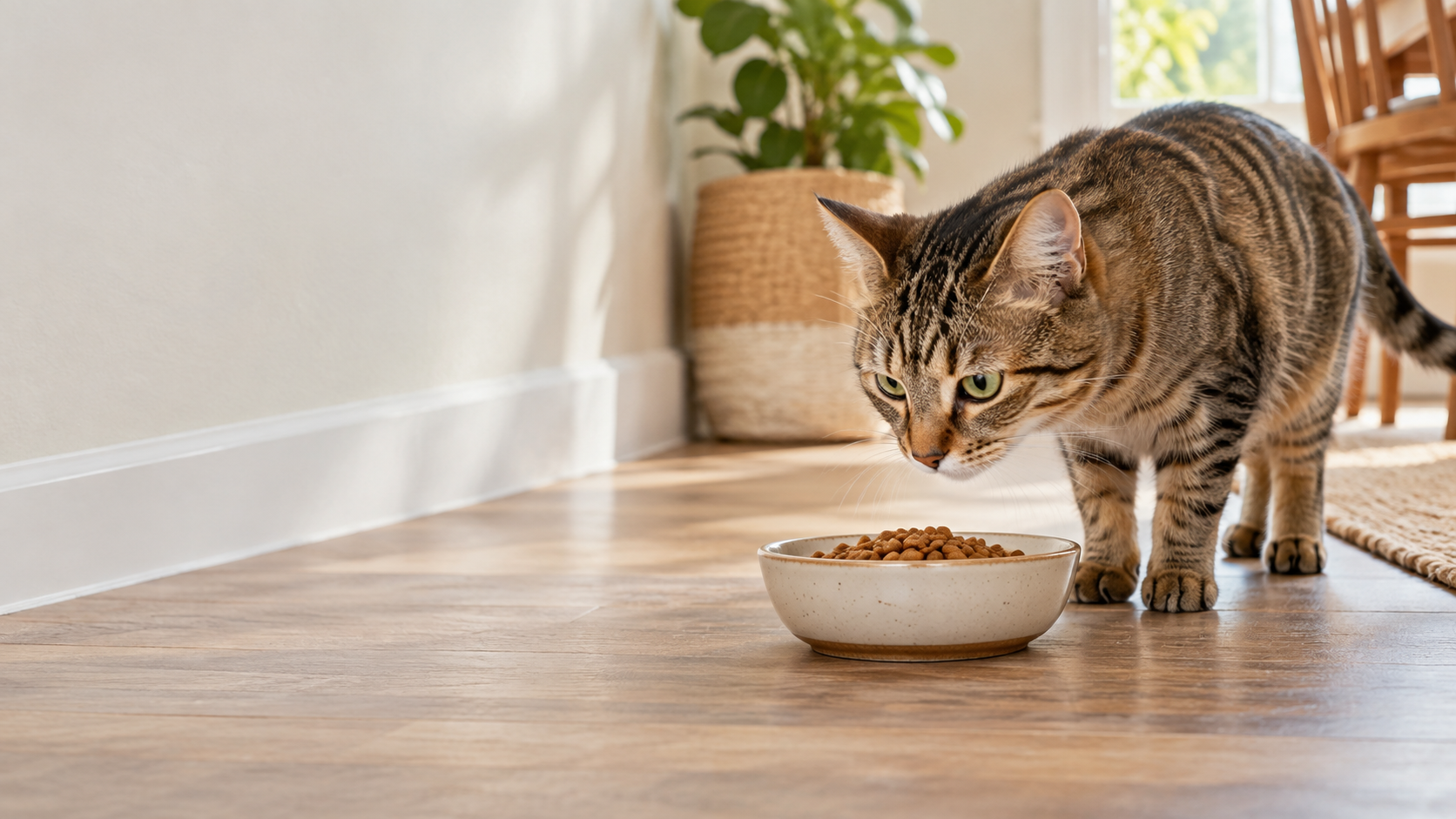
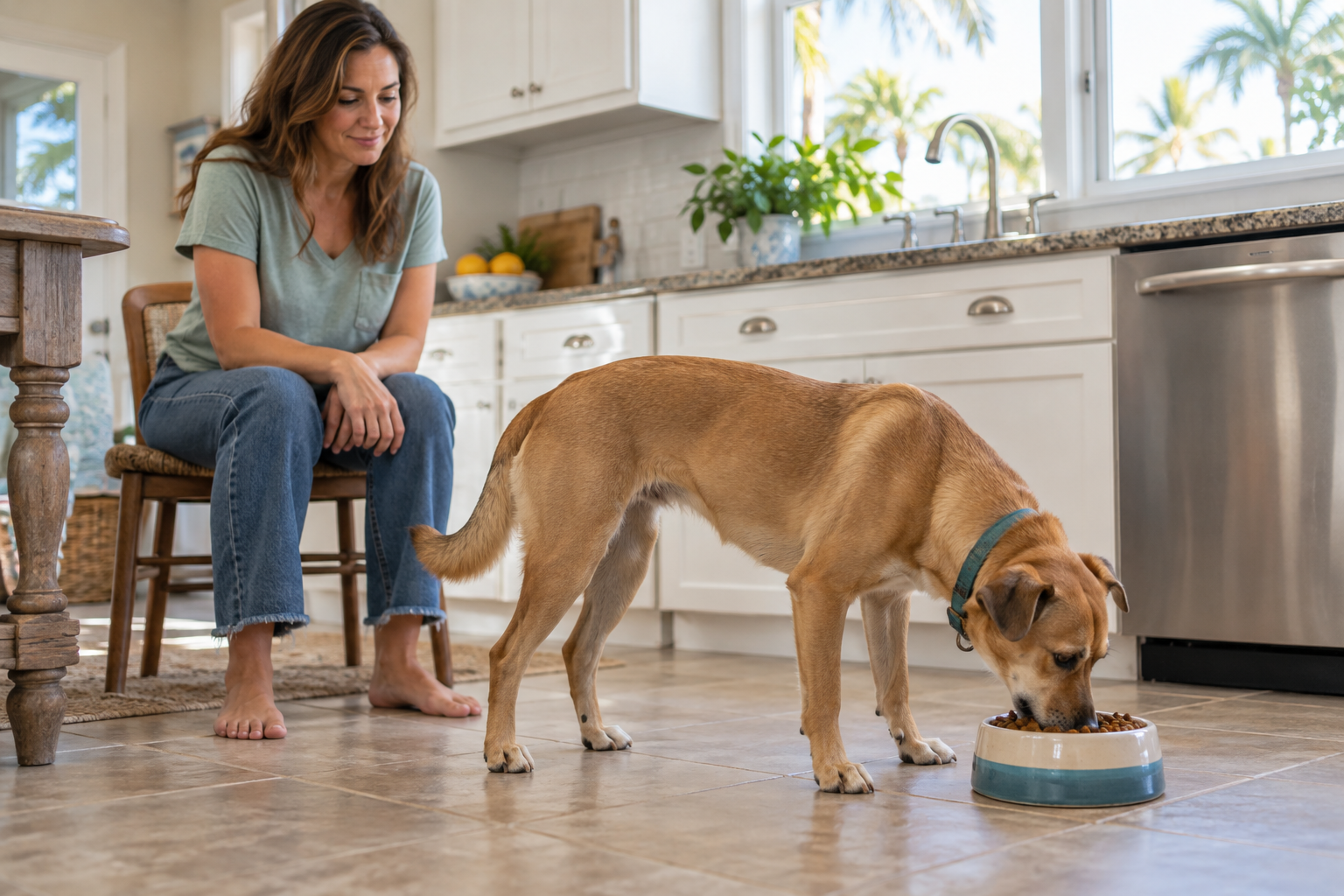
Have you noticed your dog or cat looking thinner recently, even though they are emptying their food bowl just as quickly as always?
When a pet refuses food, pet parents immediately know something is wrong. However, if your pet is eating normally—or even begging for more meals—it is easy to assume they are healthy. Unfortunately, persistent weight loss in a pet with a normal or increased appetite is often a medical red flag.
At Olive Branch Pet Hospital in Pensacola, veterinary exams and diagnostics can help investigate unexplained weight loss. A healthy appetite does not rule out disease. Losing weight while eating normally deserves a veterinary evaluation.
Why is My Pet Losing Weight While Eating?
When a pet consumes enough calories but still loses weight, their body may be having trouble digesting, absorbing, or using nutrients, losing nutrients, or using more energy than expected. A normal-looking appetite does not always mean calorie intake meets their needs.
Common medical causes include:
- Endocrine Disease: Diabetes mellitus can cause weight loss in both dogs and cats. Because the body cannot use blood sugar properly, the pet’s cells receive too little energy, leading to weight loss despite an increased appetite. In cats, hyperthyroidism (an overactive thyroid gland) raises the body’s metabolic rate.
- Digestive Disorders: Exocrine Pancreatic Insufficiency (EPI) reduces the pancreas’s production of digestive enzymes. Inflammatory Bowel Disease (IBD) can interfere with intestinal nutrient absorption. Both can cause weight loss.
- Intestinal Parasites: Some intestinal parasites can cause weight loss by damaging the intestinal lining, interfering with nutrient absorption, or causing blood loss.
- Chronic Illness: Cancer and other chronic diseases can alter metabolism and cause loss of fat or muscle, sometimes despite adequate food intake.
(Note: A decrease or complete loss of appetite also deserves attention. If your dog refuses food entirely, contact a veterinarian promptly, especially if other symptoms are present.)
What Should You Do?
Do not rely on increasing your pet’s daily food portions alone. Extra food cannot address every cause of weight loss and should not delay a veterinary exam. Your veterinarian can assess your pet’s calorie intake and dietary needs alongside possible medical causes.
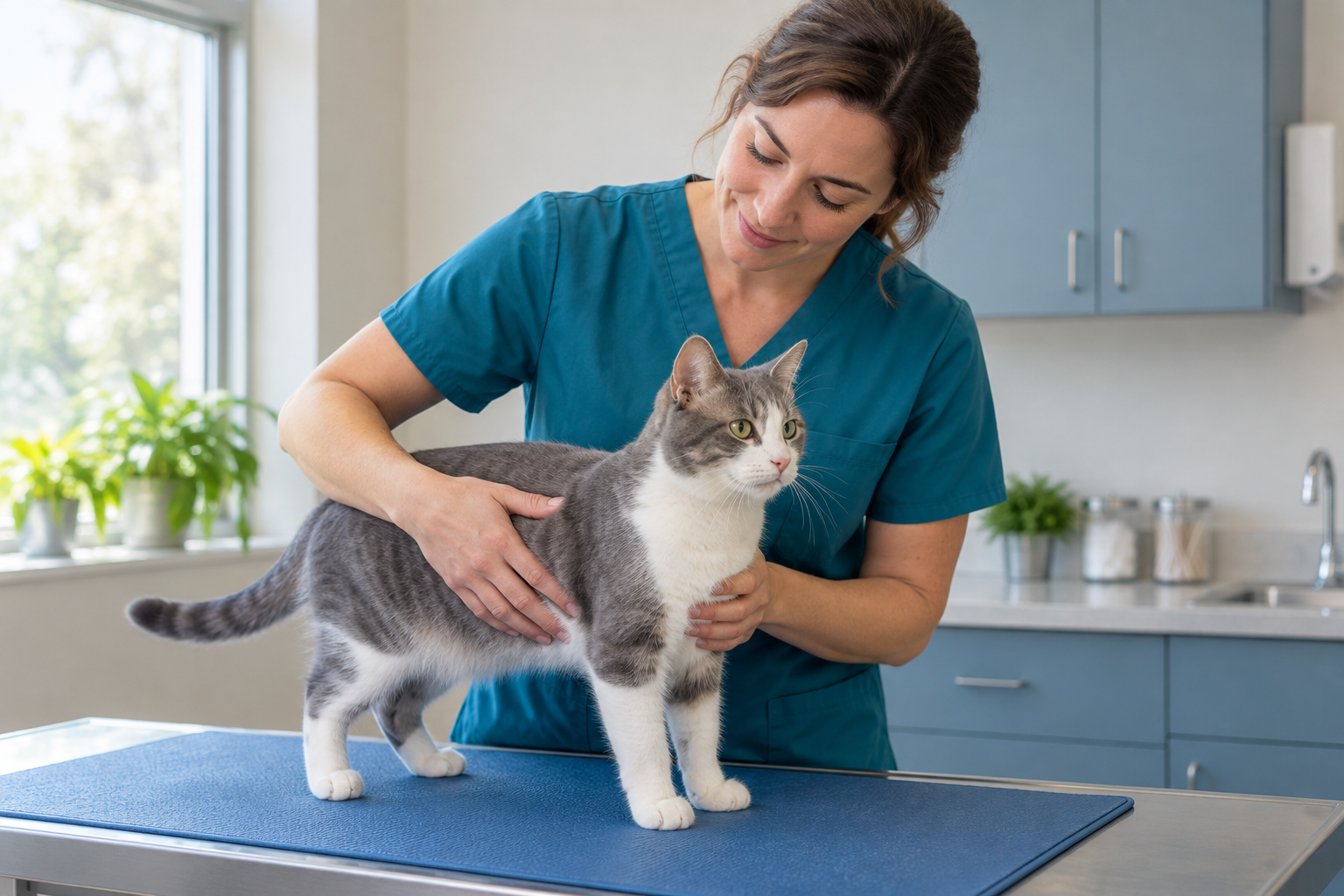
Instead, your pet requires a comprehensive veterinary exam. At Olive Branch Pet Hospital, our in-house diagnostic laboratory allows us to run blood chemistry and urinalysis tests. These tests can help investigate diabetes and kidney disease; some conditions require additional testing. When appropriate, we also utilize ultrasound and endoscopy to examine internal organs and the digestive tract.
(Are you noticing other changes? If your pet is also drinking excess water and urinating frequently alongside their weight loss, tell your veterinarian.)
Schedule a Pensacola Vet Checkup
If your furry family member is losing weight despite a strong appetite, it is time to find out why. Our veterinary team can investigate possible causes and recommend an appropriate treatment or nutrition plan based on the findings.
Call Olive Branch Pet Hospital at (850) 477-2901 to schedule a diagnostic exam. We know your animals are more than just pets—they’re family!