





Why Is My Dog Drinking So Much Water? When Excessive Thirst Signals a Health Problem
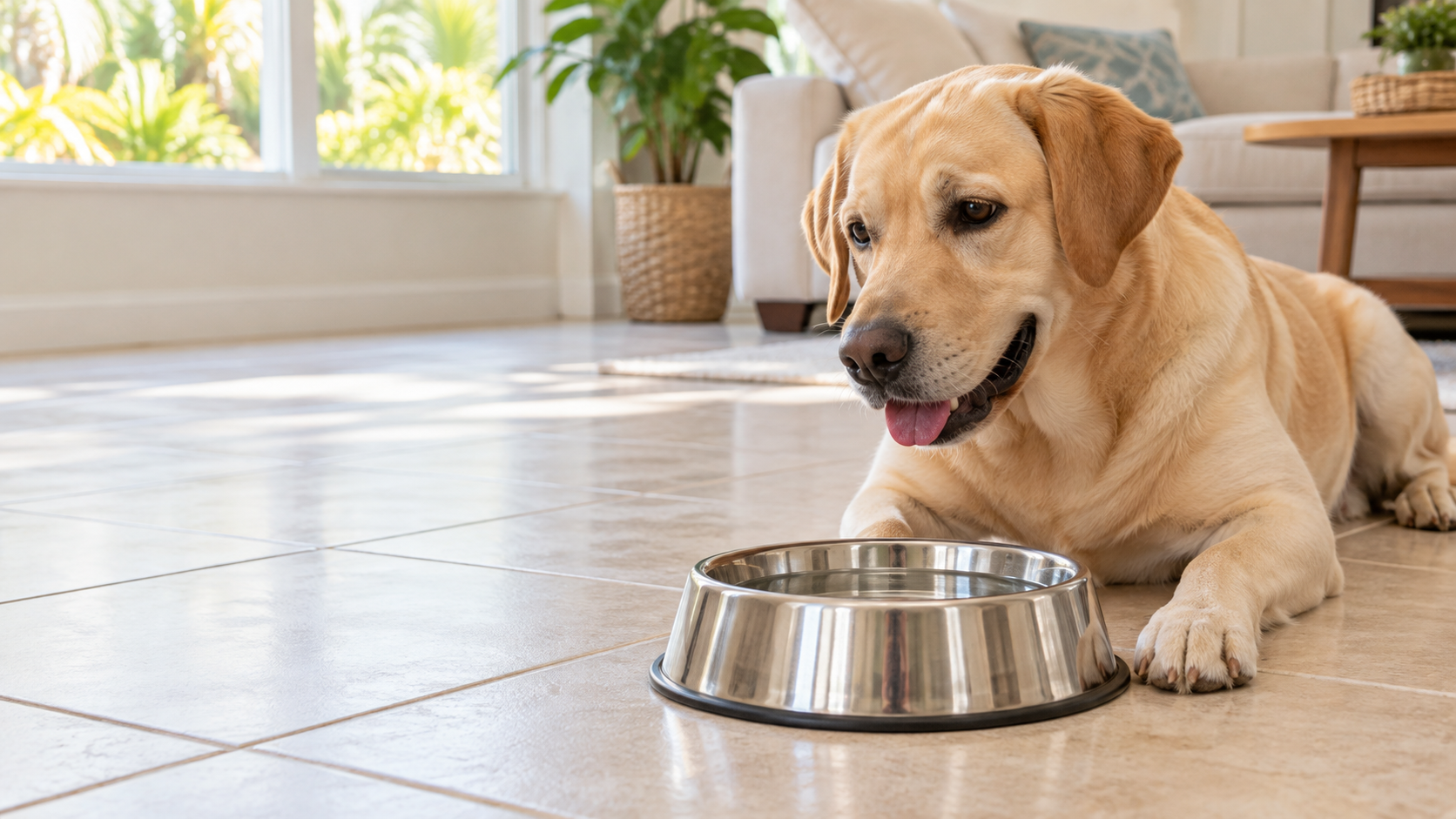
If you find yourself wondering, “why is my dog drinking so much water?” the change is worth noticing. Increased thirst—known clinically as polydipsia in dogs—can happen temporarily after exercise, time outdoors in Pensacola’s heat, or a change in diet. But when a dog consistently drinks and urinates more than normal, it can be an early sign of an underlying health problem.
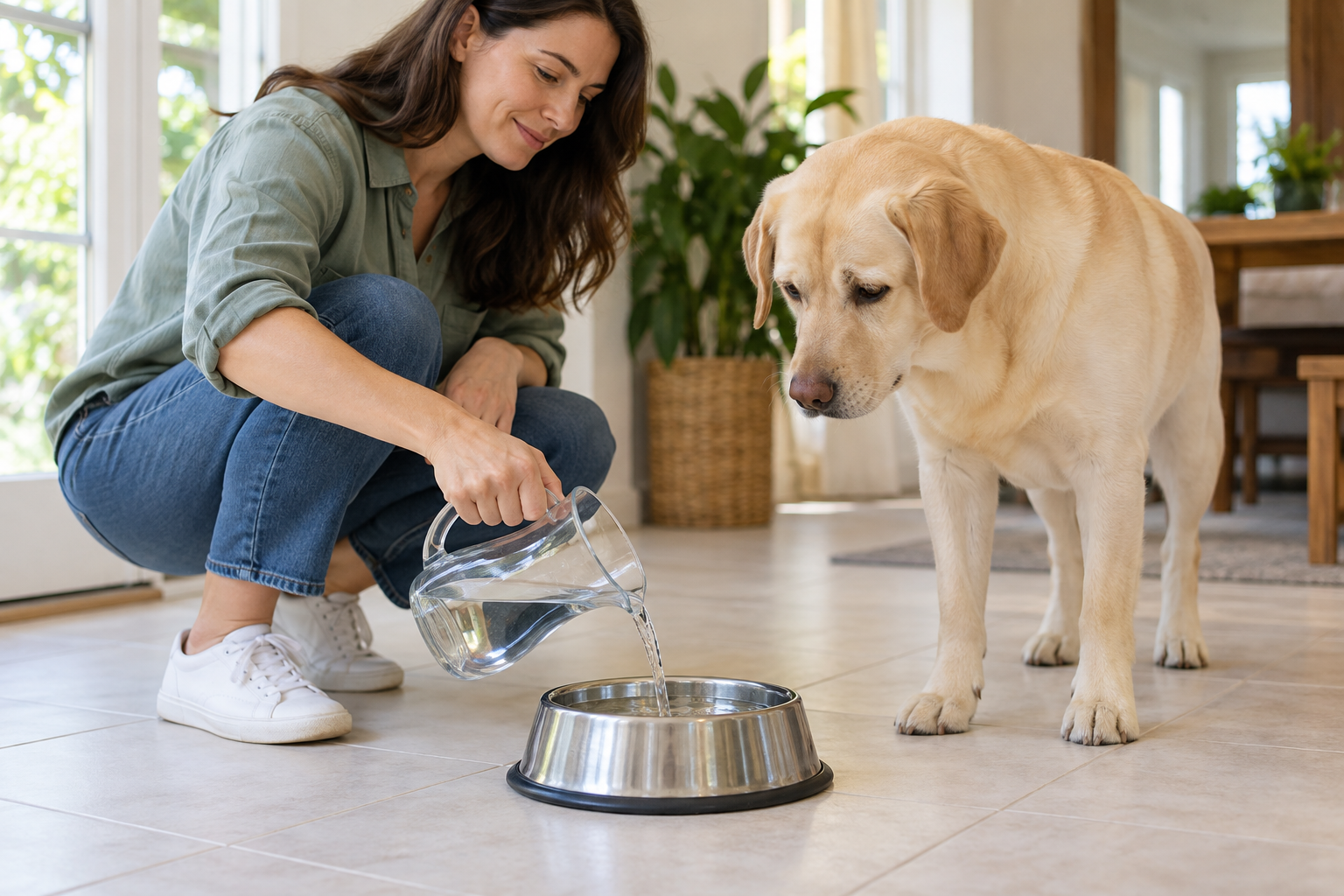
Veterinary references commonly use water intake above 100 mL per kilogram of body weight per day as a guideline for excessive drinking. However, a meaningful change from your dog’s normal habits matters even below that number. If you are concerned, measure how much water your dog drinks over 24 hours and note any changes in urination, appetite, weight, or energy.
What Can Cause Excessive Thirst in Dogs?
Several conditions can lead to a dog drinking and urinating more. Because these conditions look similar at home, diagnostic testing is required to find the exact cause. Common culprits include:
- Kidney disease in dogs: The kidneys may lose their ability to concentrate urine, causing a dog to lose excess fluid and drink more to compensate.
- Diabetes mellitus: Because extreme thirst is one of the classic dog diabetes symptoms, we look for glucose spilling into the urine, which increases water loss and drives urination.
- Cushing’s disease: An overproduction of cortisol by the adrenal glands can increase thirst and urination.
- Pyometra: In an unspayed female dog, increased thirst can sometimes occur with a serious, potentially life-threatening uterine infection.
- Other factors: Liver disease, high blood calcium, kidney infections, and certain medications can also trigger excessive thirst.
When Should You Call the Vet?
Schedule a veterinary exam if the increase in drinking persists, has no obvious explanation, or comes with frequent urination, house accidents, weight loss, appetite changes, vomiting, lethargy, panting, or weakness.
Seek immediate veterinary care if your dog appears suddenly very ill, repeatedly vomits, collapses, or shows signs of dehydration. An unspayed female with increased thirst plus lethargy, vomiting, or vaginal discharge also needs immediate veterinary evaluation.
Do not restrict your dog’s water unless a veterinarian specifically instructs you to. If the body is losing excess fluid, limiting access to water can rapidly worsen dehydration.
How Can Diagnostic Testing Help?
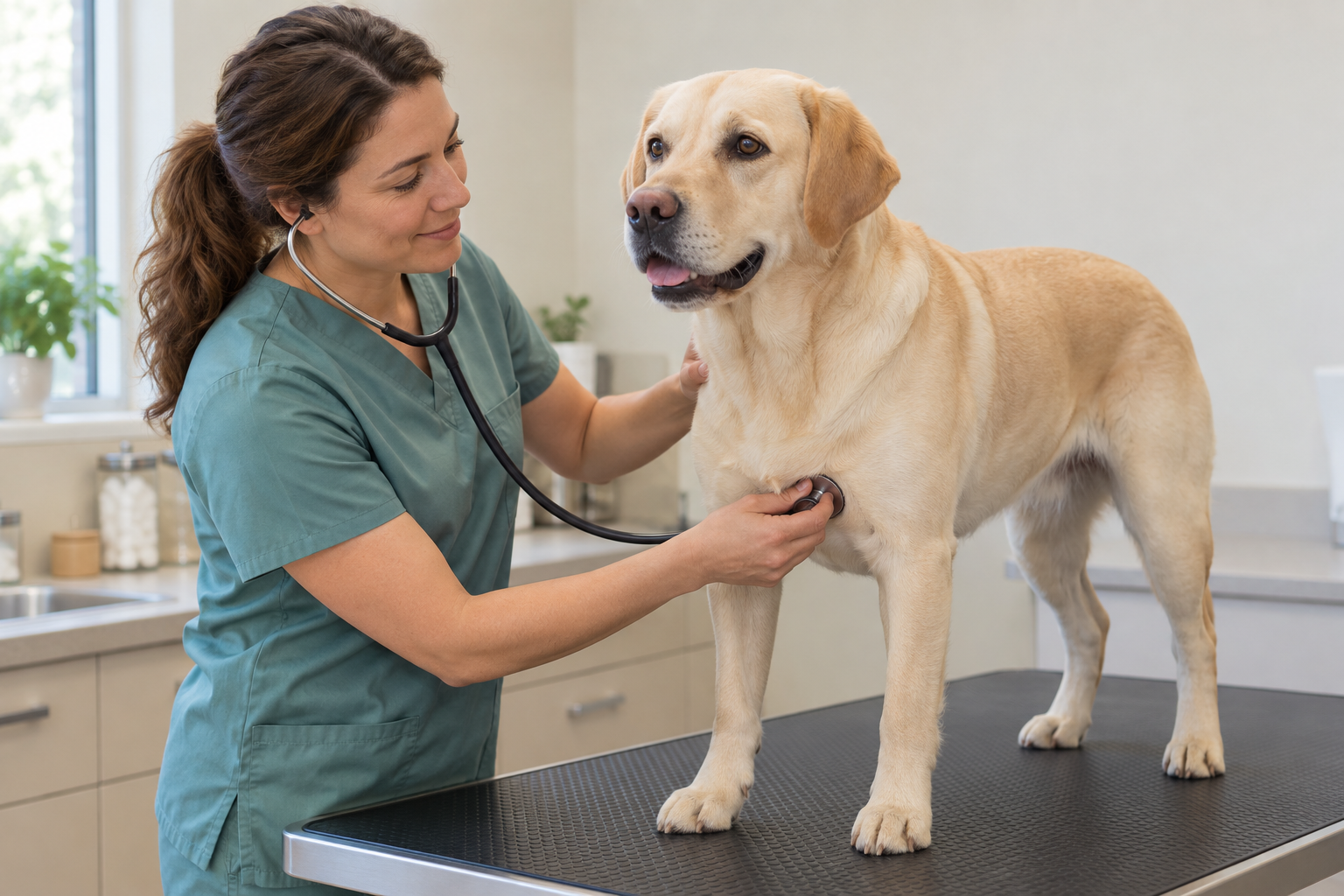
At Olive Branch Pet Hospital, our veterinary diagnostics in Pensacola are designed to help identify the root cause of your pet’s symptoms. Whether ordered during a sick visit or as part of routine wellness care, testing provides critical answers.
Initial testing for excessive thirst often includes blood chemistry and urinalysis. Urinalysis shows how concentrated the urine is and can reveal glucose, inflammation, or infection. Blood chemistry provides complementary information about organ function, blood sugar, and electrolytes. Depending on the initial results, additional testing or imaging, such as an ultrasound, may be recommended.
If your dog is suddenly drinking or urinating more than usual, schedule a veterinary exam with Olive Branch Pet Hospital in Pensacola to help determine what is causing the change.