





Does My Pet Need an Ultrasound? A Vet Explains When It Helps
When your veterinarian recommends advanced imaging, it is completely natural to wonder, does my pet need an ultrasound? The short answer is no: not every dog or cat does. However, when a physical exam, bloodwork, urinalysis, or ongoing symptoms leave important medical questions unanswered, an ultrasound can provide important information that other tests may not provide.
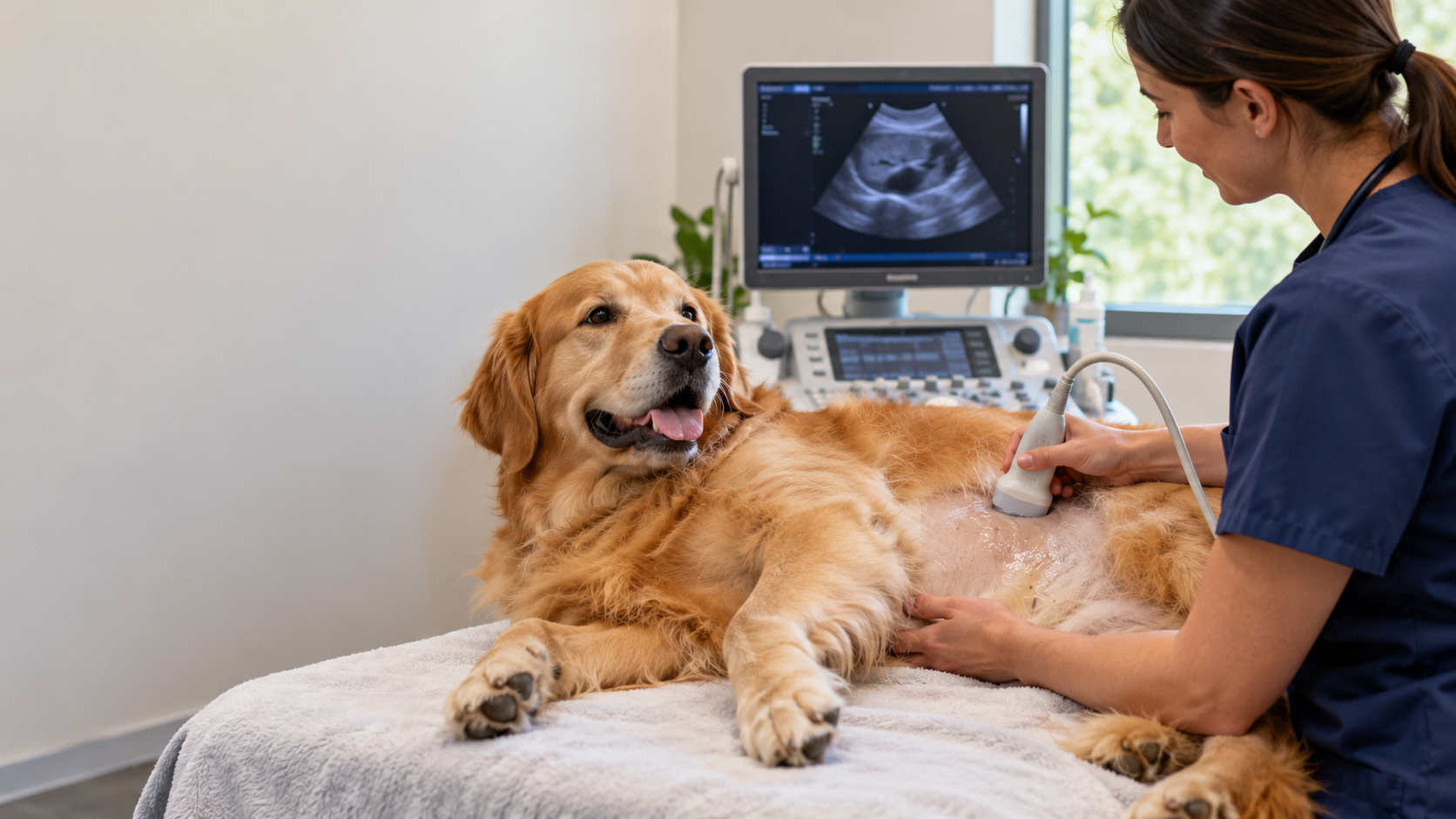
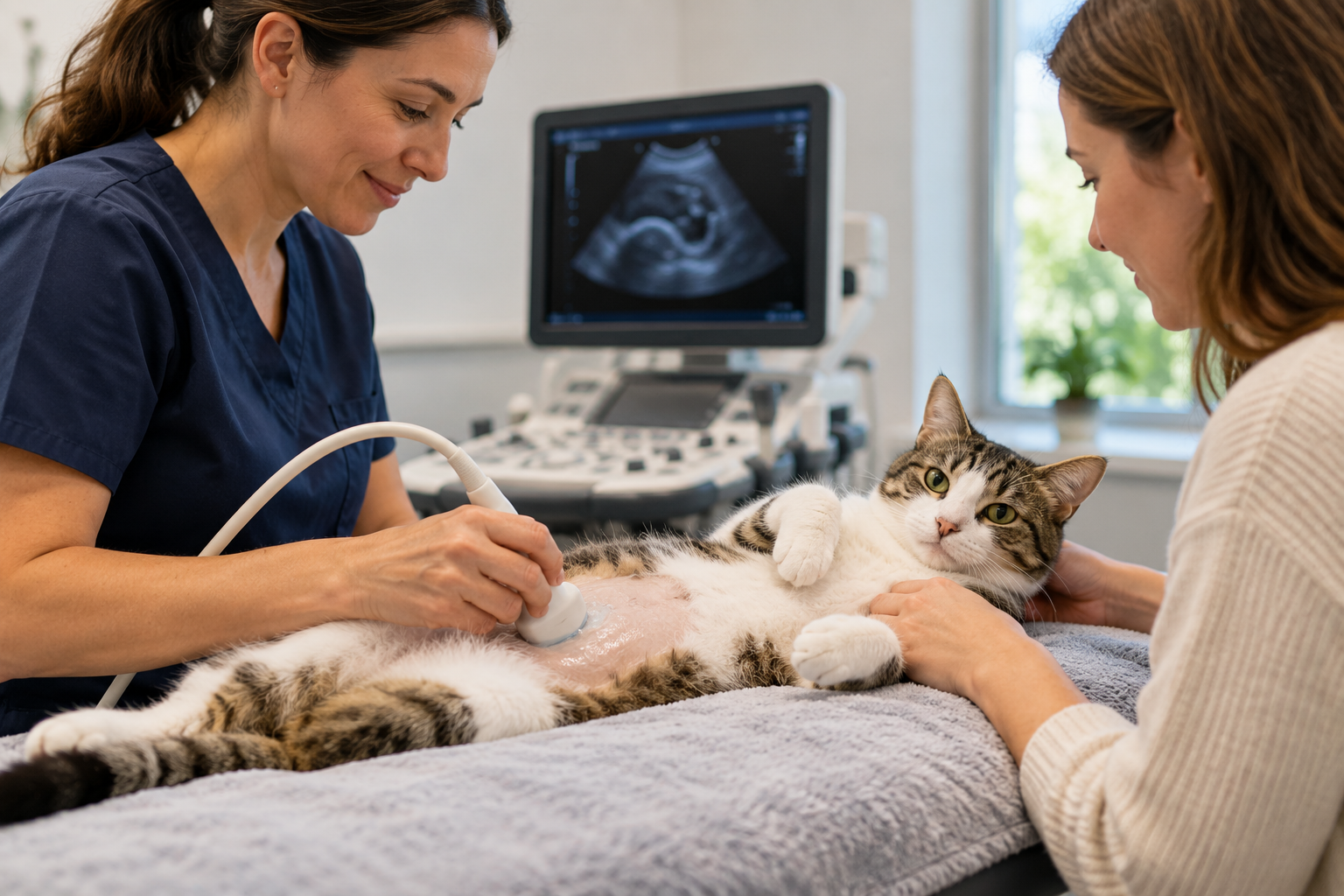
As a safe, non-invasive form of veterinary diagnostic imaging, ultrasound uses high-frequency sound waves to create real-time pictures of the structures inside your pet’s body. While traditional X-rays are excellent for evaluating bones and viewing broad patterns in the chest or abdomen, ultrasound is specifically designed to examine the internal architecture of soft tissues and organs.
What Can an Abdominal Ultrasound for Pets Show?
An abdominal ultrasound for pets allows a veterinarian to thoroughly evaluate internal organs, including the liver, gallbladder, spleen, kidneys, bladder, pancreas, stomach, and intestines. A dog ultrasound or cat ultrasound can reveal:
- Changes in organ size, texture, or shape
- Abnormal fluid in the abdomen
- Internal masses, cysts, or tumors
- Intestinal abnormalities
- Certain ingested foreign objects
Because ultrasound produces moving images, it can provide real-time information about organ motion. Doppler ultrasound can also assess blood flow. These findings are always interpreted alongside your pet’s history, exam, and other lab results, rather than serving as a stand-alone answer.
When Does a Veterinarian Recommend an Ultrasound?
An ultrasound is generally recommended when a pet has persistent, unexplained symptoms or abnormalities. Common reasons include:
- Chronic vomiting or diarrhea
- Significant appetite changes or unexplained weight loss
- Signs of abdominal discomfort or pain
- Ongoing urinary problems
- Abnormalities found on routine lab work
For example, routine laboratory testing might reveal abnormal liver or kidney values. An ultrasound can look directly at those specific organs to see if there is a structural change, such as inflammation or a mass, that explains the abnormal lab result. This distinction is important: bloodwork tells us how the body is functioning, while an ultrasound shows us what the internal structures actually look like.
Does an Ultrasound Always Give a Diagnosis?
Not always. While ultrasound is a highly powerful diagnostic tool, it does have physical limitations. Sound waves cannot easily pass through air, such as gas in the stomach, or dense bone, which can sometimes obscure the view. Additionally, some diseases occur on a microscopic cellular level and do not create visible physical changes on an ultrasound.
Even when it doesn’t yield a definitive diagnosis, an ultrasound often narrows the list of possible causes or identifies the next appropriate step, such as a targeted biopsy. Sometimes, successfully ruling out a major concern is the exact value the ultrasound provides.

Veterinary Ultrasound in Pensacola, Florida
As part of our complete veterinary services in Pensacola, Olive Branch Pet Hospital provides veterinary ultrasound in Pensacola to help get to the bottom of your pet’s health issues. Ultrasound is just one of our comprehensive in-house diagnostic services, which also include blood chemistry, urinalysis, EKG, and endoscopy. The most appropriate test always depends on your pet’s specific symptoms, examination findings, and medical history.
If your pet has persistent symptoms or abnormal test results, schedule an exam with Olive Branch Pet Hospital to find out whether ultrasound or another diagnostic test can provide the answers you need.