






“Slowing Down” or Arthritis? Signs You Might Be Missing
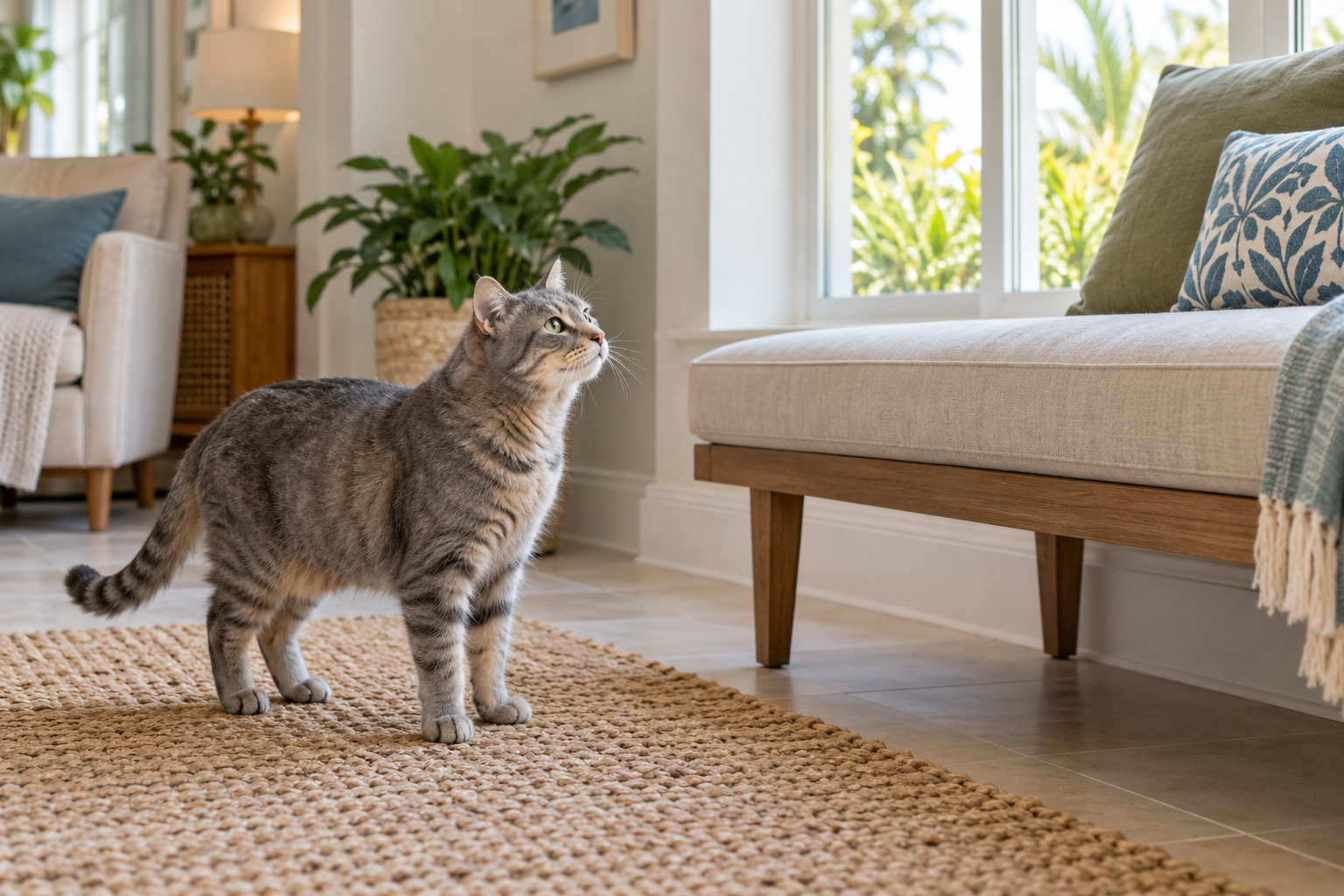
When an older dog takes longer to stand up or a cat stops jumping to a favorite perch, it is easy to assume they are simply “slowing down.” While aging naturally changes activity levels, persistent stiffness or hesitation is often a sign of osteoarthritis—a chronic joint disease causing pain, inflammation, and reduced mobility.
Osteoarthritis affects both dogs and cats, and it is not limited to very old pets. Recognizing the signs of arthritis in senior pets early gives your veterinarian a better opportunity to identify the cause and develop a plan that protects their comfort and mobility.
What Are the Signs of Arthritis in Senior Pets?
Arthritis does not always look like an obvious limp. Pets often adjust gradually to joint pain, making these subtle changes easy to miss. Watch for:
- Stiffness after sleeping or resting
- Difficulty getting up, using stairs, or jumping
- Shorter walks or less interest in play
- Slower movement or a change in gait
- Hesitation to walk on slick floors
- Irritability when touched, petted, or picked up
- Reluctance to jump, decreased grooming, or avoiding the litter box (especially common in cats)
A short video showing how your pet walks, rises, climbs stairs, or jumps at home can give your veterinarian useful information that may not be obvious during an office visit.
How Does a Veterinarian Check for Arthritis?
A veterinary exam is the starting point for senior pet joint pain. Your veterinarian will observe your pet’s gait and posture, examine the joints and muscles, assess range of motion, and look for pain, swelling, instability, or muscle loss. X-rays or other diagnostic testing may also be recommended to confirm osteoarthritis in pets depending on the findings and your pet’s overall health.
At Olive Branch Pet Hospital in Pensacola, our wellness examinations and diagnostic services can help evaluate aging pets and uncover the true cause behind changes in activity or mobility.
Can Arthritis Be Managed Long Term?
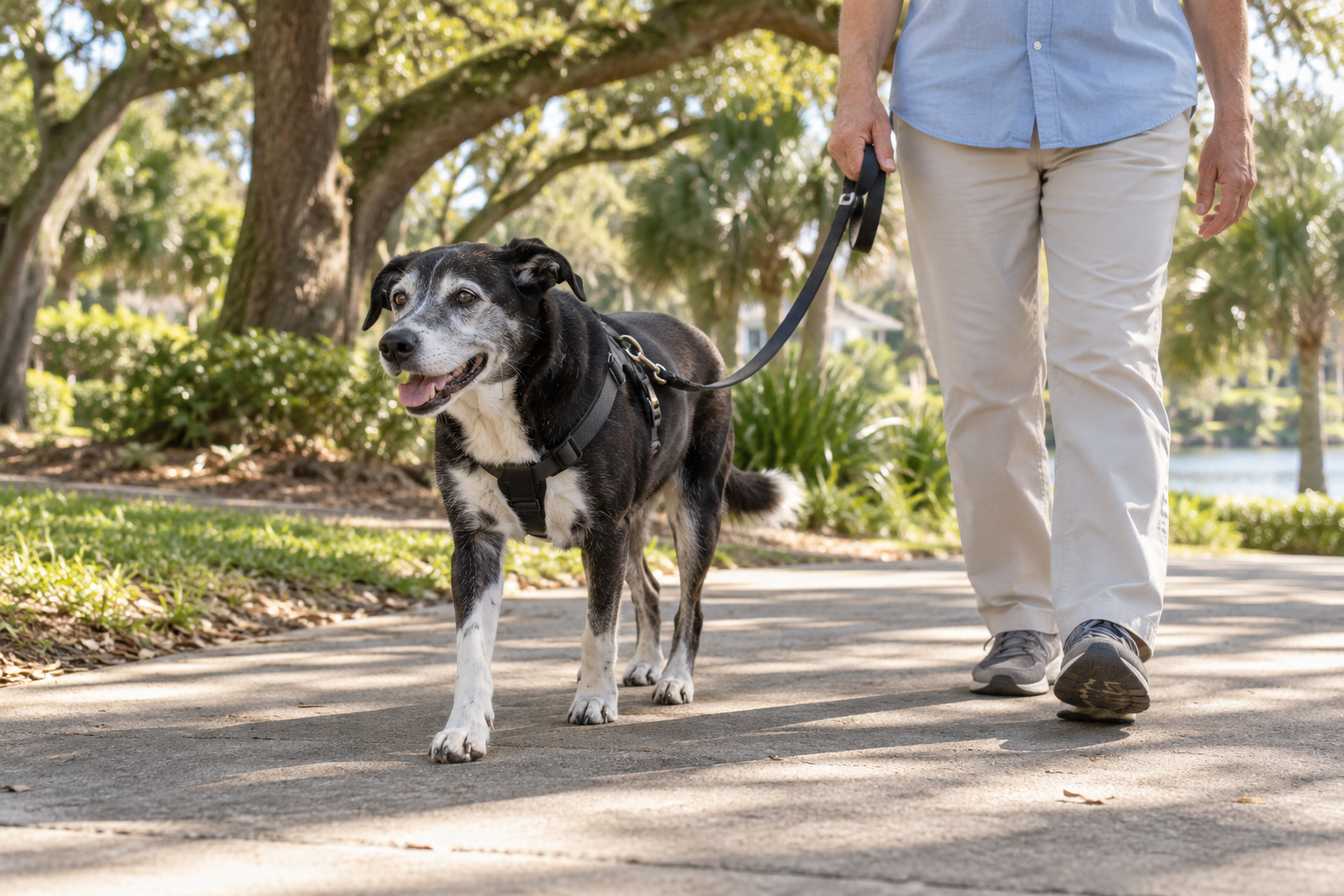
Osteoarthritis is progressive, but many pets remain active and comfortable with an individualized management plan. Depending on the pet, a care plan may include weight management, appropriate low-impact exercise, home modifications, veterinary pain medication, and nutritional support. If long-term prescription pain control is considered, bloodwork is typically recommended for ongoing safety monitoring.
Maintaining a healthy body weight is critical because excess weight increases stress on painful joints. To support aging pet mobility problems, Olive Branch offers comprehensive nutrition and weight management services. We also provide laser therapy, a non-invasive treatment that may be considered as part of a veterinarian-directed care plan to reduce pain and inflammation.
If your pet is moving differently, do not automatically assume it is just old age. An exam can help determine whether arthritis, another orthopedic problem, or a different medical issue is behind the change.
If your dog or cat is becoming stiffer, slower, or less willing to do the things they once enjoyed, schedule an exam with Olive Branch Pet Hospital in Pensacola to find out what may be causing the change.