





Why Ear Infections Keep Coming Back in Florida Dogs
If your dog’s ear infection seems to clear up only to return a few weeks or months later, you might be wondering why dog ear infections keep coming back. Recurrent ear infections in dogs often happen because an underlying problem keeps changing the ear canal environment, allowing yeast or bacteria to overgrow again.Why Do Some Dogs Get Repeated Ear Infections?
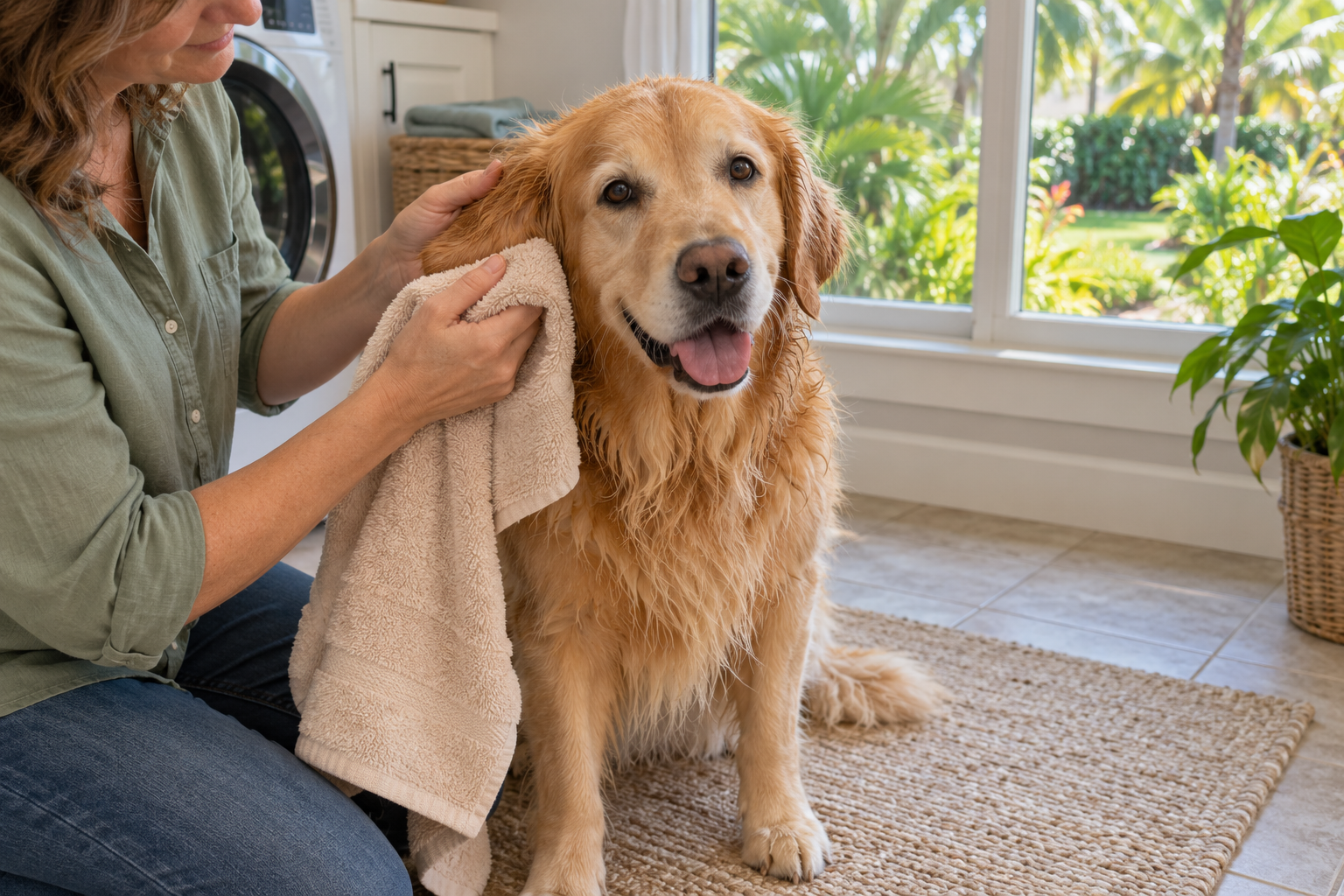
In Florida dogs, moisture is often part of the equation. Pensacola’s warm, humid climate, frequent swimming, bathing, and anatomical traits like floppy ears can all trap moisture inside the ear canal. But moisture alone is not always the full explanation. One of the most common underlying contributors is allergies. Environmental allergies to things such as pollen, mold, or dust mites can inflame the skin lining the ears. Food allergies can also cause ear inflammation in some dogs. Once that protective skin barrier becomes irritated, yeast and bacteria may multiply and create a secondary infection. Anatomy matters, too. Dogs with narrow ear canals, heavy ear flaps, or dense hair around the ear opening naturally have less airflow. Furthermore, chronic inflammation from repeated infections can make the canal thicker and narrower, making future flare-ups even harder to resolve.Why Does the Infection Return After Treatment?
Sometimes the infection improves, but the underlying inflammation never fully goes away. In other cases, the cause of the current infection may differ from a previous episode. Recurrent outer ear disease can also sometimes spread to involve the middle ear. This is one reason repeated episodes require proper veterinary exams in Pensacola rather than simply restarting leftover medication.
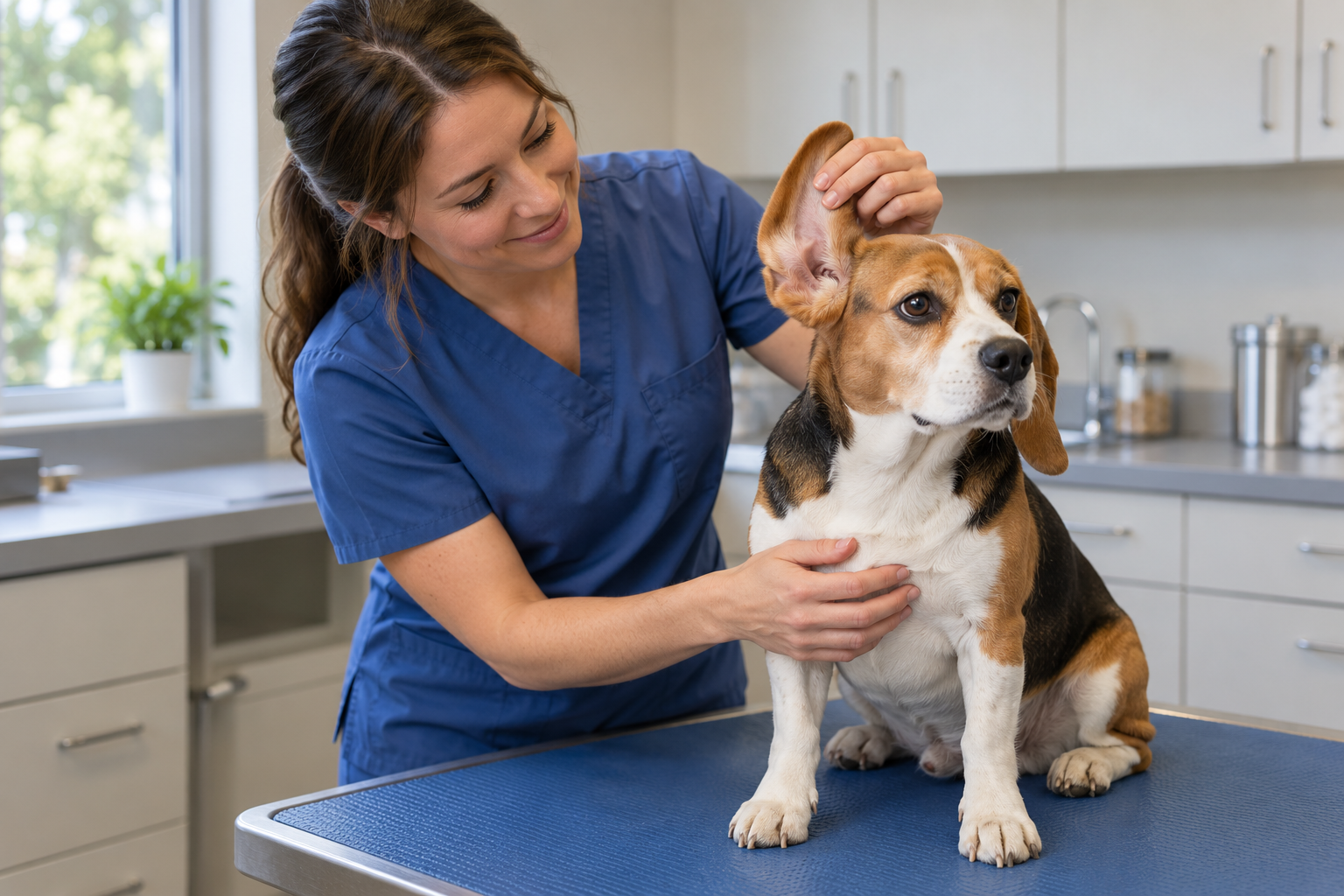
A veterinarian may need to look closely inside the ear and use veterinary diagnostics in Pensacola to evaluate a sample from the canal. This helps determine whether yeast, bacteria, parasites, a foreign body, or another problem is involved. For dogs with repeated infections, identifying and managing the primary trigger is often just as important as treating the current flare.
When Should Your Dog Be Checked?
Schedule an exam if you notice repeated head shaking, scratching, redness, odor, discharge, pain, swelling, or sensitivity around the ears. A head tilt, balance changes, or significant pain warrants prompt veterinary attention.
At Olive Branch Pet Hospital, our focus is on addressing the immediate ear problem while looking for factors that may contribute to repeat flare-ups. Depending on your dog’s history and examination, longer-term management may involve routine ear care, allergy management for dogs, parasite prevention, or other veterinary recommendations tailored to your pet.
If your dog’s ear infections keep returning, schedule an exam with Olive Branch Pet Hospital in Pensacola to look beyond the current flare and develop a longer-term plan.