




When Your Vet Recommends Endoscopy: What It Means
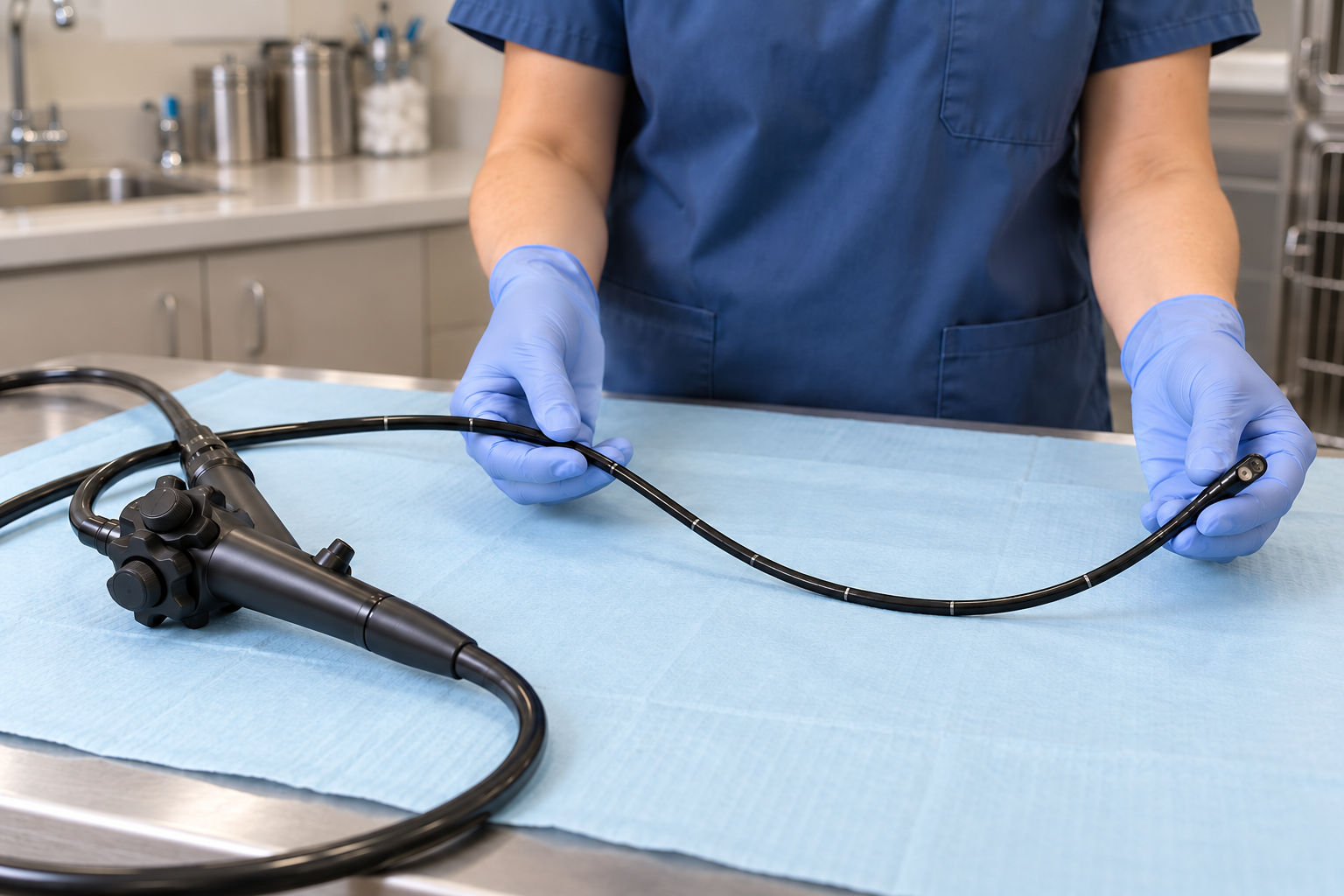
Pet endoscopy is a minimally invasive diagnostic procedure that allows a veterinarian to examine the inside of your pet’s digestive tract. By passing a flexible tube with a small camera into the body, veterinarians can directly view areas such as the esophagus, stomach, upper small intestine, or colon. It also allows the veterinarian to collect tiny tissue samples (biopsies) and, in select cases, retrieve swallowed objects without open abdominal surgery. At Olive Branch Pet Hospital in Pensacola, endoscopy is one of the advanced diagnostic tools available for evaluating your pet’s digestive system.Why Would a Dog or Cat Need Endoscopy?
Your veterinarian may recommend gastrointestinal endoscopy if your dog or cat experiences persistent or recurring digestive symptoms, such as:- Chronic vomiting or diarrhea
- Unexplained weight loss
- Reduced appetite or difficulty swallowing
- Abdominal discomfort
What Can Endoscopy Find?
An endoscope provides a real-time view of the gastrointestinal lining. During the procedure, veterinarians look for:
- Inflammation or abnormal swelling
- Masses, tumors, or polyps
- Scar tissue or narrowing (strictures)
- Ulcers or erosions
- Ingested foreign objects
One of the biggest advantages of veterinary endoscopy is the ability to take biopsies through the scope. These small tissue samples are evaluated under a microscope, which is crucial because many gastrointestinal diseases cause microscopic changes even when the surface tissue looks relatively normal to the naked eye.
If a foreign object is located in an accessible area—like the esophagus or stomach—it may sometimes be removed using tiny instruments passed through the endoscope. However, if the object has moved too far into the intestines or cannot be safely grasped, veterinary surgery may still be necessary.
Does Endoscopy Require Anesthesia?
Yes. For gastrointestinal endoscopy in dogs and cats, general anesthesia is required. This ensures the scope can be passed safely, keeping your pet completely still and pain-free so the veterinarian can perform a thorough examination.
Your veterinary team will likely recommend pre-anesthetic testing and provide specific fasting and preparation instructions based on your pet’s health. Endoscopy is considered minimally invasive because it reaches the digestive tract through natural openings rather than an abdominal incision. Still, it is a medical procedure with anesthesia-related and procedural risks, so the decision is always based on a careful assessment of your pet’s diagnostic needs.
What Happens After the Procedure?
While structural abnormalities or foreign objects are visible immediately during the procedure, biopsy results take additional time because the tissue must be sent to a laboratory for microscopic evaluation. Your veterinarian will use those results, along with the rest of your pet’s diagnostic workup, to create a targeted treatment plan.
If your pet has persistent digestive symptoms or endoscopy has been recommended, contact Olive Branch Pet Hospital in Pensacola to discuss the appropriate next diagnostic step.